.png)
How to Take a Break from Alcohol (Without Overthinking It)

Updated: Oct 8
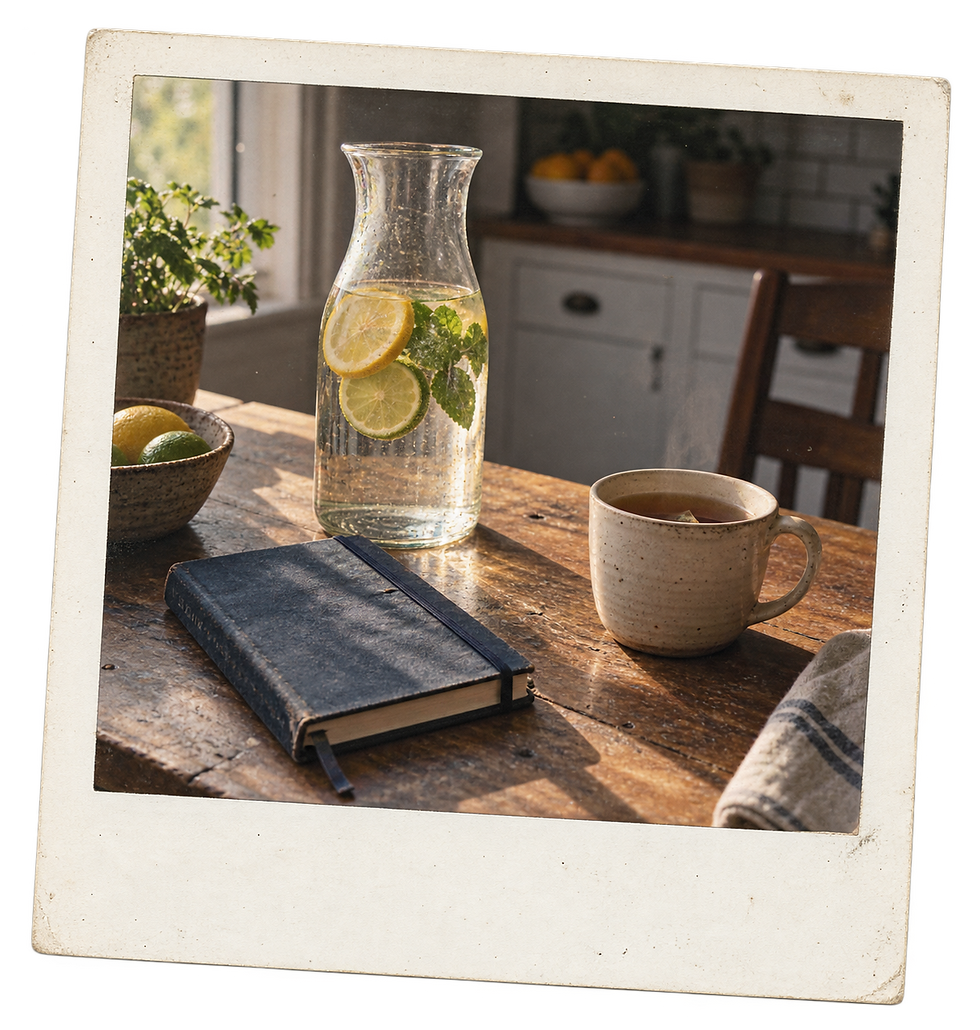
Not rock bottom. Just ready for better.
You don’t need to quit forever. We always seem to come to this black and white decision in our head.
You don’t need a label.
You don’t need to figure out the rest of your life.
You just need a clean break.
And most people don’t take one—not because they can’t……but because they overthink it before they start.
Why “Taking a Break” Works Better Than Quitting Forever
"Quitting forever or don't bother". That seems to be the thought process... All or nothing. In or out!
IT's a classic cognitive pattern- either perfect control, or complete loss of control.
It's the same reason we lump the idea of either "an alcoholic" or "perfectly fine"
Look at politics. Are brains like simple, not nuance.
When people hear “quit drinking,” their brain pushes back immediately.
It sounds permanent. Restrictive. Like something you have to defend.
A complete identity change overnight.
That’s why so many people stay stuck in the loop of:
“I’ll cut back next week.”
“I’ll just drink less tonight.”
But a break?
A break feels different.
It’s:
Temporary
Low pressure
Focused on clarity, not identity
And ironically…
It’s the fastest way to regain control.
What Actually Happens When You Take a Break
This isn’t just psychological. It’s biological.
Here’s what most people notice:
Energy comes back
Cravings spike… then fade
That last one matters.
Because when cravings show up, people assume:
"This means I need alcohol.”
It doesn’t.
It means your brain is used to a pattern.
If looked at in the right light- as information, as data and not emotion- it can be incredibly useful.
The Mistake Most People Make
They try to “just not drink.”
No plan. No structure. No replacement.
"I'm just going for it"
So when 6PM hits…Or Saturday night. Or a dinner with friends...
the same thought shows up... the same urge hits... the same outcome follows.
That’s not lack of discipline.
That’s conditioning.
The Simple Way to Take a Break (Without Overthinking It)
You don’t need a complicated system.
You need a repeatable structure.
Here’s what actually works:
1. Pick a clear start date
Not “soon.” Not “this week.”
A specific day.
Also- there is always going to be something "coming up". That's life. The only way out is through, and there is never going to be a "perfect" time.
2. Replace the evening ritual
This is the most important part.
You don’t miss alcohol. You'll eventually figure this out.
You miss the ritual.
If you remove the drink but keep the same environment… your brain will keep asking.
3. Expect nights 1–4 to feel off
They will.
Your taking a very powerful neurochemical changing, culturually accepted, bad boy and saying "nope".
Your brain will respond.
This is where most people quit.
Not because it’s unbearable…
…but because it feels unfamiliar.
That doesn’t mean it’s wrong.
It means the pattern is breaking. Again, data if used right.
4. Stop negotiating with yourself
This is subtle, but critical.
The internal conversation:
“Maybe just one. I promise I'll stop at one.”
“We've got that thing tonight... maybe tomorrow”
“Today was more stressful than my usual stressful days. Yeah, go ahead and pour me one.”
That loop?
It disappears when the decision is already made.
What It Actually Feels Like (Real Talk)
Everybody is different. Alcohol is very personal. These ranges are just possibilities, not guarantees. If you do or don't feel these affects on the specific day range- nothing is wrong. This process may happen in a week, in two weeks, in a month... But it WILL happen.
Life is not black and white. Neither will your break from alcohol be.
Nights 1–3:
You’ll think about drinking. Probably a lot.
The urge will show up at the same time or in the same place.
It will feel automatic. You might even have to stop yourself mid grab of your drink, and say, "oh yeah... I'm doing the 14 Day Reset."
That’s not weakness. That’s wiring.
Alcohol feels good. That's not live in a make believe world. Let's call it like it is.
Around Day 4–7:
The intensity drops a hair.
The urge becomes quieter.
You may start noticing differences already.
After that:
A little less pull
Mornings feel like the gift they are- less anxious, more stable
More stability at night
And the biggest shift:
You’re not reacting on auto pilot anymore. You’re choosing
You Don’t Need to Figure Out Forever
This is where people get stuck.
They think:
“What happens after the break?”... “Do I quit for good?”
You don’t need to answer that yet.
This is not our target.
The only goal right now is:
Create some damn space from the pattern
If You Don’t Want to Overthink It…
Start with structure.
Because structure removes:
decision fatigue
nightly negotiation
guesswork
Go back to how our brains are wired. It want easy.
That's our goals.
Explore the CWOB Drinking Pattern Snapshot to discover a detailed understanding of the roots of your drinking habits.
It’s a simple way to:
reset your evening pattern
understand your triggers
rebuild your rhythm
No pressure. No labels. Just a clean start.
If You Want to Go Deeper
The next step is building a full rhythm:
Morning direction+ Evening replacement+ Nighttime regulation + The Psychological/Cultural/Social Cues
That’s what the 14-Day Reset is designed for.
Because this isn’t about quitting alcohol forever.
It’s about:
getting your control back and examining- Do I want this in my life.
Final Thought
You don’t need to hit rock bottom. You don’t need to label yourself. You don’t need to commit to forever.
You just need to interrupt the pattern.
One night at a time.
FAQs
How do I take a break from alcohol without overthinking it?
Start with a clear decision and a simple structure. Pick a start date (just do it!), replace your evening drinking ritual, and focus on getting through the first few nights without negotiating with yourself. You don’t need a long-term plan-when those thoughts pop up, gently remind yourself thats not the goal—just a short reset.
Is taking a break from alcohol better than quitting forever?
A loaded question. For many people, yes. Taking a break removes pressure and resistance. It allows you to reset your habits and gain clarity without committing to permanent sobriety.
What you might find (probably) is you feel really good.. Though identity isn't reformed in 2 weeks, you'll at least have an understanding of if you want this to continue.
How long should I take a break from alcohol?
A 7–14 day break is a strong starting point. This gives your body and brain time to stabilize while helping you understand your patterns and triggers.
Why is it hardest to stop drinking at night?
Because your brain has learned to expect alcohol at a specific time. Evening cravings are often tied to routine and reward patterns—not just desire.
What happens in the first few days without alcohol?
Most people experience increased cravings and restlessness for the first 2–4 days. After that, sleep, mood, and energy often begin to improve. Again, everybody is different. Eventually, you'll see the positive stuff.
Do I need to replace alcohol with something else?
Yep, in our strong opinion at least. Replacing the ritual is key. If you remove alcohol but keep the same routine, your brain will continue to expect the reward.
Why do I keep going back to drinking even when I want to stop?
Because alcohol is really tricky- you have social cues tied to tribe mentality, Because habits are driven by repeated patterns, not just willpower. Without changing the routine, your brain will continue to trigger the same behavior.
Will taking a break help with anxiety and sleep?
In many cases, yes. Alcohol can disrupt sleep cycles and increase next-day anxiety. Taking a break often leads to more stable sleep and improved mood. And if they don't? You can begin to understand the true reason without a wild variable thrown in.
Do I have to quit alcohol completely after a break?
No. The goal of a break is awareness and control—not a lifelong commitment. Many people use breaks to reset their relationship with alcohol. You eventually will make a determination. But not now.


Comments