.png)
Why Alcohol Feels So Good (And Why That’s The Problem)

Updated: Oct 8
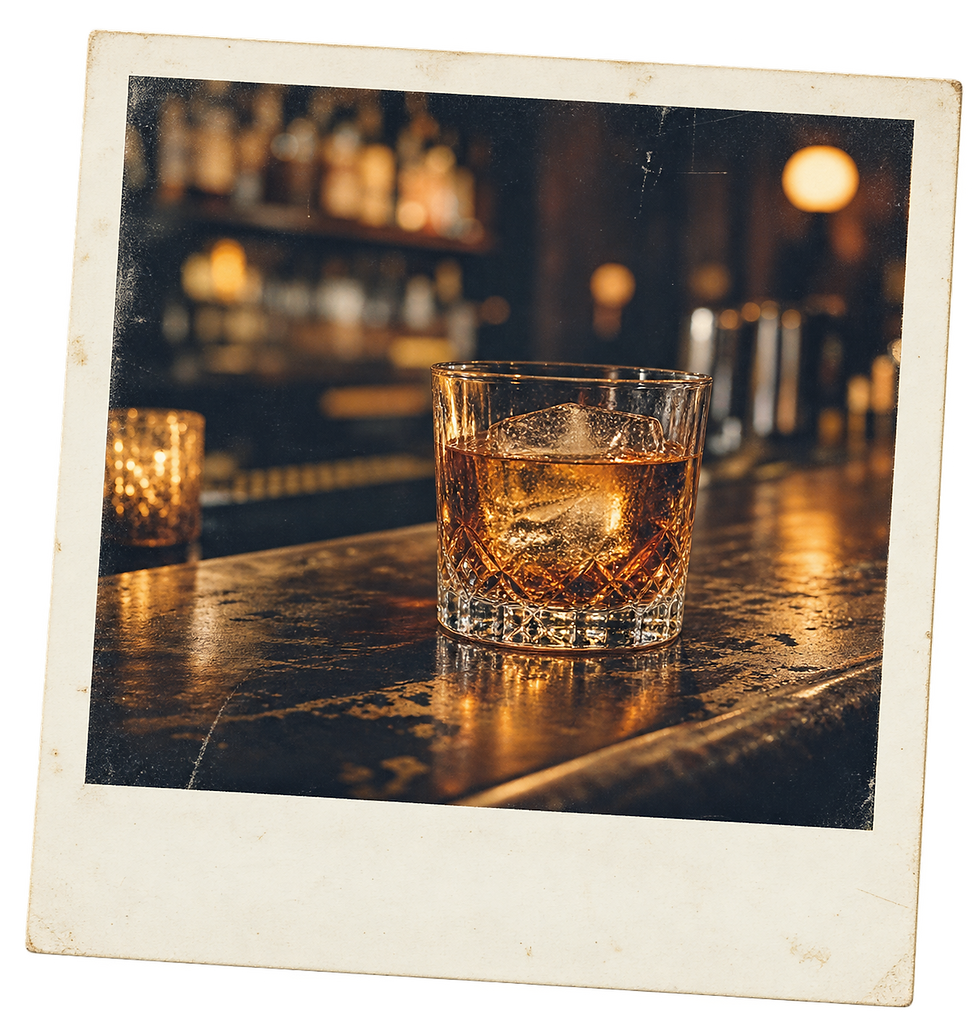
If alcohol is bad for you…
Why does it feel like the best part of your day?
That’s the question most people get stuck on.
Because the experience doesn’t match the narrative.
You drink → you feel better You relax → you unwind → you disconnect
So your brain makes a simple conclusion:
“This helps.”
But what’s actually happening is more complex.
And once you understand it, everything changes.
Quick Answer: Why Does Alcohol Feel So Good?
Alcohol feels good because it:
increases dopamine (reward)
reduces inhibition (you feel more open)
slows your nervous system (you feel calm)
But that relief is temporary—and your brain compensates afterward, often making things worse over time.
What Actually Happens in Your Brain (Simple Version)
Let’s break this down without the textbook language.
1. Dopamine Spike (Reward System)
When you drink, your brain releases dopamine.
That’s the same system tied to:
rewards
motivation
“this feels good, do it again”
So your brain logs:
alcohol = reward
2. Inhibition Drops (You Feel More Like Yourself… or So It Seems)
Alcohol suppresses the part of your brain that:
overthinks
second-guesses
filters behavior
So you feel:
more relaxed
more confident
less “in your head”
Which leads to the thought:
“This is the real me.”
But it’s not.
It’s just less regulation.
3. Your Nervous System Slows Down
Alcohol enhances calming signals in your brain.
So you feel:
less stressed
less tense
less reactive
This is why people say:
“I just need a drink to unwind.”
Here’s the Part No One Explains
What feels like:
relief
Is actually:
suppression
Your brain didn’t solve the stress.
It muted it.
The Tradeoff (This Is Where the Problem Starts)
After alcohol leaves your system…
Your brain compensates.
What that looks like:
dopamine drops
stress signals increase
sleep quality decreases
anxiety rebounds
This is why you feel:
slightly off
more anxious
more tired
The next day.
And here’s the loop:
Stress → drink → relief Then → rebound → stress Then → drink again
Read more here: Anxiety and Alcohol
Why It Feels Even Better at Night
This isn’t random.
Your brain is wired for patterns.
Evening = transition moment
End of work. End of effort. Start of recovery.
Your brain is looking for:
a signal
Alcohol became that signal.
So now:
5PM hits → your brain expects relief
That’s why cravings feel automatic. That’s why it feels “earned”
Why Do I Crave Alcohol at Night explains it in some detail...
7 Signs You’re Chasing the Feeling (Not the Drink)
1. The First Sip Isn’t the Best Part
It’s what happens after.
That shift.
That exhale.
2. You Don’t Crave Alcohol All Day
You crave it at:
specific times
specific moments
That’s pattern—not preference
3. You Drink Faster Than Taste Requires
You’re not sipping for flavor.
You’re moving toward the feeling.
4. The Environment Changes Everything
Same drink.
Different setting.
Different experience.
5. You Feel Better… Then Worse
That’s not random.
That’s the rebound.
6. You Think About the Feeling, Not the Drink
You’re not imagining:
the taste
You’re imagining:
the relief
7. You’ve Wondered: “Why Do I Even Want This?”
That question matters.
That’s awareness.
Why This Becomes Automatic
Your brain learns fast.
Repeat this enough:
Alcohol → relief
And it starts skipping steps.
Now it becomes:
Stress → think about alcohol. Time → think about alcohol. Evening → think about alcohol.
Why It Stops Working Over Time
This is the trap.
1. Tolerance Builds
Same drink → less effect
So you:
drink more
drink faster
2. Baseline Drops
You don’t feel as good without it.
So alcohol feels more necessary.
3. Anxiety Increases
Because your brain is constantly compensating.
The Reframe (This Changes Everything)
You don’t like alcohol.
You like what it does.
And once you see that…
You can ask a better question:
“How else can I get that?”
What You’re Actually Looking For
Let’s translate it:
Alcohol gives you → You actually want
Relaxation → nervous system reset
Reward → completion signal
Confidence → reduced mental noise
Escape → emotional pause
Alcohol is just one way to get those.
Not the only way.
The Real Solution (Not Willpower)
You don’t remove alcohol.
You replace what it was doing.
Step 1: Keep the timing
Don’t fight:
5PM
evening
Use it.
Step 2: Replace the signal
Ritual matters:
glass
ice
Step 3: Keep the reward
You still need:
relief
closure
transition
The Fastest Way to See This Clearly
You don’t need to quit forever.
You need contrast.
That’s where the 14-day reset comes in.
Not as a rule.
As an experiment.
Because in 14 days, you’ll see:
how your sleep changes
how your anxiety shifts
how strong the pattern actually was
What Most People Realize
Somewhere around day 5–10:
“It wasn’t the alcohol…it was the pattern.”
Final Thought
Alcohol isn’t confusing.
It’s predictable.
It feels good because:
it changes your brain state
it creates relief
But the cost shows up later.
Once you understand that:
you stop fighting yourself and start redesigning the system
Next Step
Tonight, don’t ask:
“Should I drink?”
Ask:
“What am I actually looking for right now?”
Then test this:
Replace the signal
Keep the time
Keep the reward
Run a 14-day reset
Not forever.
Just long enough to see clearly.


Comments