.png)
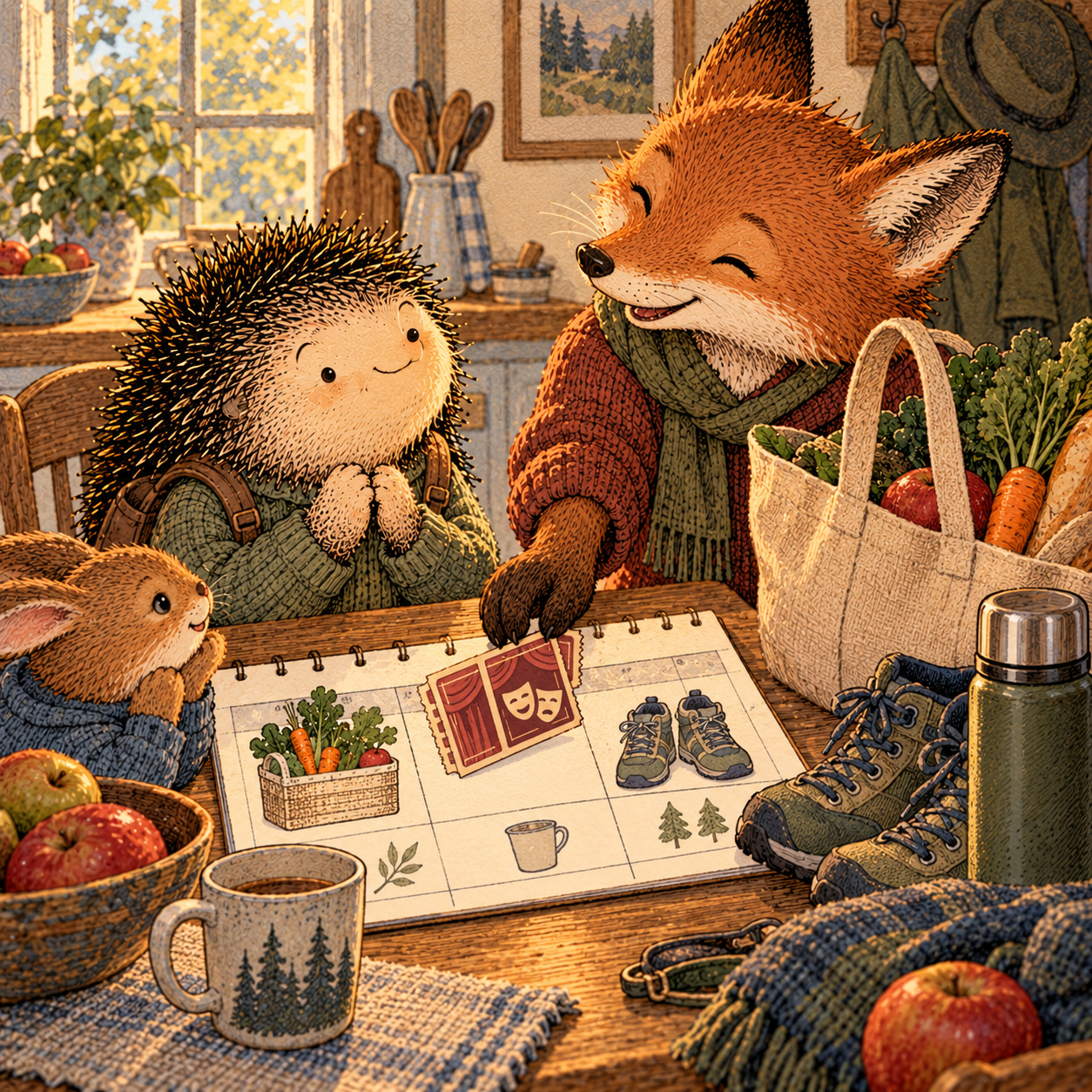
Day 81 of 365
Your Weekend Blueprint
Weekends need enough structure to feel good—and enough freedom to still feel like weekends.

15
minutes
Deep Dive Optional
RESET SUPPORT

Do Not Let Friday Night Design the Entire Weekend
Give the rest of the weekend a simple shape. One planned activity or agreed departure time may be more useful than a strict schedule.
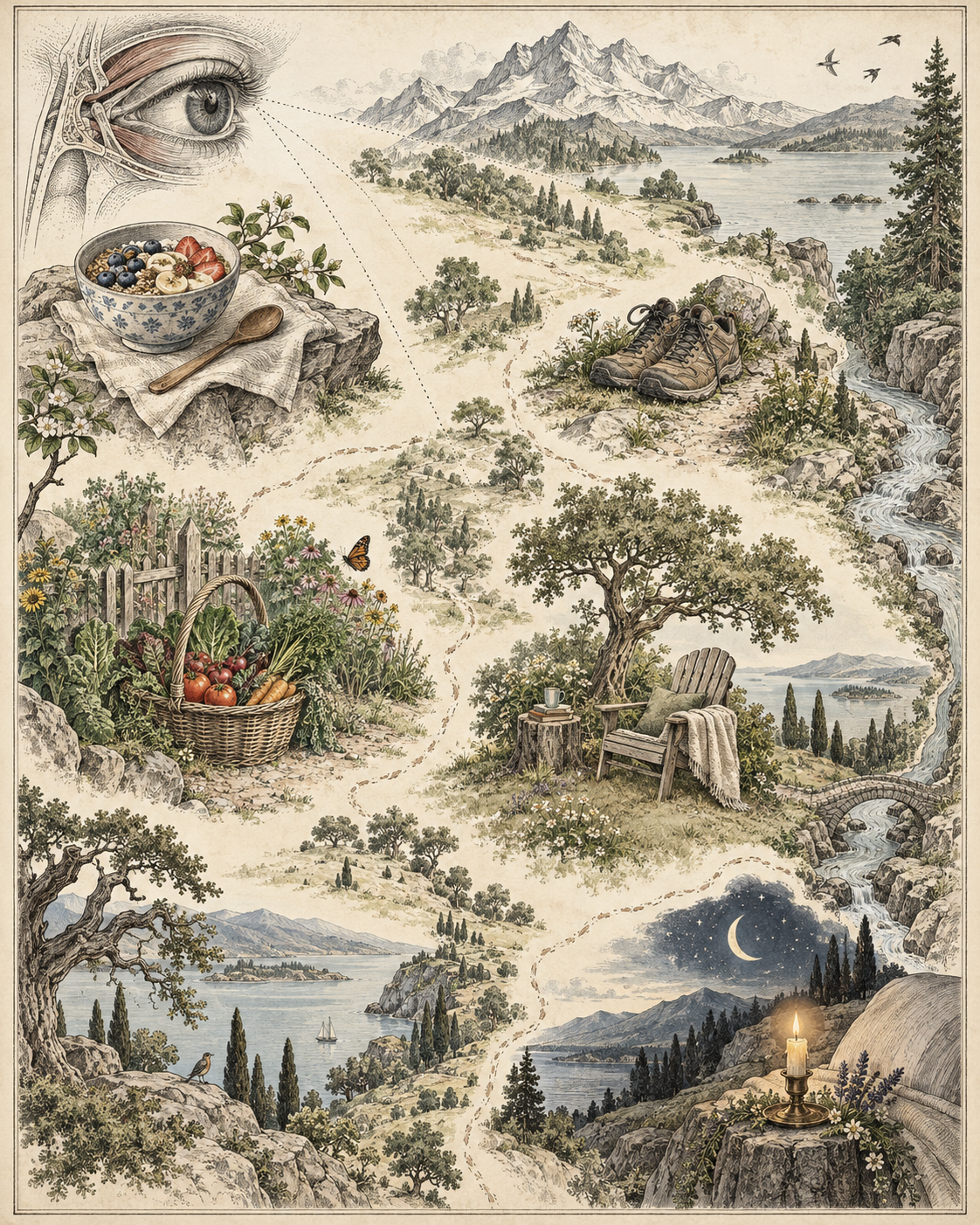
WEEKENDS CAN FEEL WIDE OPEN — UNTIL THE OLD ROUTINE FILLS THE SPACE
Friday Afternoon Is Often Where the Weekend Actually Starts
The workday is not even over.
But by 3:30, the weekend has already begun in your head.
What are we doing?
Where are we eating?
Who is coming over?
Is there a game on?
Do I want to go anywhere?
For years, alcohol may have answered some of those questions automatically.
Friday night had a shape.
Saturday might involve drinking again.
Sunday might be recovery, football, brunch or “just one more day.”
Without that structure, the weekend can feel strangely blank.
That blankness is not a problem.
It is design space.
The goal is not to fill every hour.
It is to make sure the weekend contains enough reward, movement, connection, rest and anticipation that alcohol does not remain the only thing capable of making it feel different from Tuesday.

Why We Chose This For You
Loading your personalized notes…
THE WEEKEND MAY FEEL LONGER — AND THAT CAN BE GOOD OR UNCOMFORTABLE
Alcohol used to compress time.
Friday night happened.
Saturday morning disappeared a little.
Then the weekend moved on.
With clearer mornings, you may suddenly have more weekend than you know what to do with.
That extra time can feel like a gift.
It can also create boredom.
Both reactions are normal.
The answer is not constant activity.
It is knowing which pieces of the weekend make the extra time feel like yours.
UNSTRUCTURED TIME INCREASES THE NUMBER OF POSSIBLE CUES
Weekdays often contain external structure.
Work starts.
Meals happen.
Responsibilities create timing.
Weekends loosen those boundaries.
That can increase flexibility—but it can also create more moments where reward, boredom, social cues or ritual can enter.
A few anchors reduce the number of completely open decisions while preserving the feeling of freedom.
That balance is important.
Too little structure can leave alcohol filling the vacuum.
Too much structure can make the weekend feel like a program.
WHY THIS MATTERS
A small number of anchors can preserve reward and flexibility while reducing the open-ended decision windows that previously defaulted to alcohol.

A Note For You
Loading your personalized notes…

Recent Slip Insight
Add a Title
ONE BENEFIT TO WATCH FOR

A Weekend You Actually Use
The Weekend Can Feel Fuller Without Feeling Overplanned
A good weekend blueprint can protect both sides.
You get the reward and freedom you were looking for.
And you keep more of Saturday and Sunday available to actually enjoy.
That can make the weekend feel longer in the best way—not because every hour is productive, but because fewer hours disappear into drinking and recovery.
WHY THIS MATTERS
A small number of anchors can preserve reward and flexibility while reducing the open-ended decision windows that previously defaulted to alcohol.

WHAT PEOPLE DON'T TELL YOU
Protecting tomorrow should not require punishing tonight.
It is easy to overcorrect.
“If I plan a 6 AM workout, I definitely won’t drink.”
Maybe.
But if Friday becomes a night of deprivation so Saturday can be virtuous, the blueprint may not last.
Make Friday rewarding too.
Good food.
Movie.
Friends.
Game.
Dessert.
Date.
Project.
Whatever feels like your actual life.
The morning is an anchor.
It should not be a threat.
ONE BENEFIT TO WATCH FOR
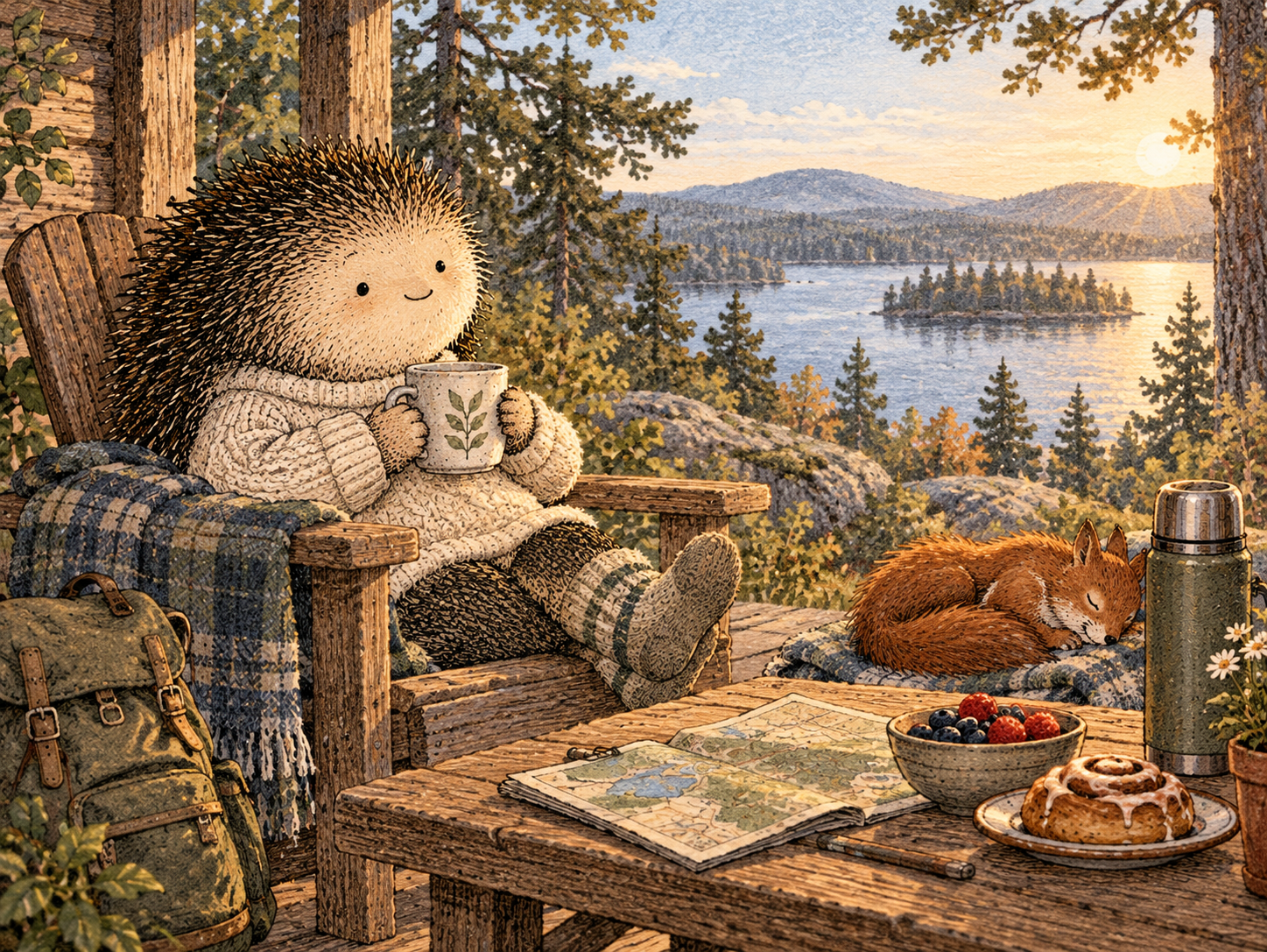

“A good weekend plan protects tomorrow without making tonight feel like punishment.”
Cheers Without Beers

Your Version of Today's Experiment
Loading your personalized notes…

What to Take Away
Add a Title

Today's Experiment
Build This Weekend on One Screen
Create a simple five-anchor weekend plan you could actually follow without checking it every hour.


Design Friday First
Choose the transition, food and one real reward before the workday ends.


Protect One Morning
Choose one Saturday or Sunday morning experience worth showing up clear for. Make it specific.

WHAT ARE YOU TESTING?
Can the weekend have enough shape to feel rewarding without becoming either a drinking script or a self-improvement schedule?
If the plan gives you something to anticipate and still leaves room to breathe, it is probably close.


Leave White Space
Schedule one open block with no productivity requirement. The goal is not to fear unstructured time—it is to learn how to use it.

15 Minutes

What to Watch For
Loading your personalized notes…
WANT TO GO DEEPER?
Why Weekends Deserve Their Own Blueprint
They combine several functions that behave differently during the week.
A weekday urge may be mostly transition.
Weekend difficulty can be more layered.
Reward.
Identity.
Sports.
Friends.
Celebration.
Boredom.
Longer availability.
Less external structure.
That makes a weekend plan more useful when it integrates multiple lessons instead of prescribing one tool.
The working version should reflect the person’s data.
If Friday reward is strong, build reward.
If Saturday mornings matter, protect them.
If sports are the cue, use the sports plan.
If social events get hard late, use the exit window.
If alone time is restorative, do not fill the weekend with people.
The blueprint is a synthesis, not a checklist.
Anchor the Weekend
Do not leave the whole weekend to chance.
Build a Friday transition, one real reward, one morning worth protecting, one social decision and some genuine open space.


A Gentle Warning
Loading your personalized notes…
BEFORE YOU GO

Which part of the weekend is most likely to pull you toward the old pattern—and what does that part need instead?
Think about Friday anticipation, Saturday boredom, sports, social plans, reward, restaurants, loneliness or unstructured time.

ONE THING TO TAKE WITH YOU
The Weekend Needs a Shape, Not a Cage
Use a few anchors to protect what matters and leave enough freedom for the weekend to still feel like yours.

Your Stress Blueprint
Tomorrow we turn everything you learned about stress into a simple state-by-state plan you can use without diagnosing yourself in the moment.