.png)
Day 61 of 365
Why You Learned This Pattern
Not who is to blame. Not what is wrong with you. Just the environments, repetitions and meanings that taught alcohol where to fit.

15
minutes
Deep Dive Optional
RESET SUPPORT

Patterns Usually Make More Sense When You Look Backward
A familiar response often has a history. Understanding how it became useful can help you replace it without treating your past self harshly.
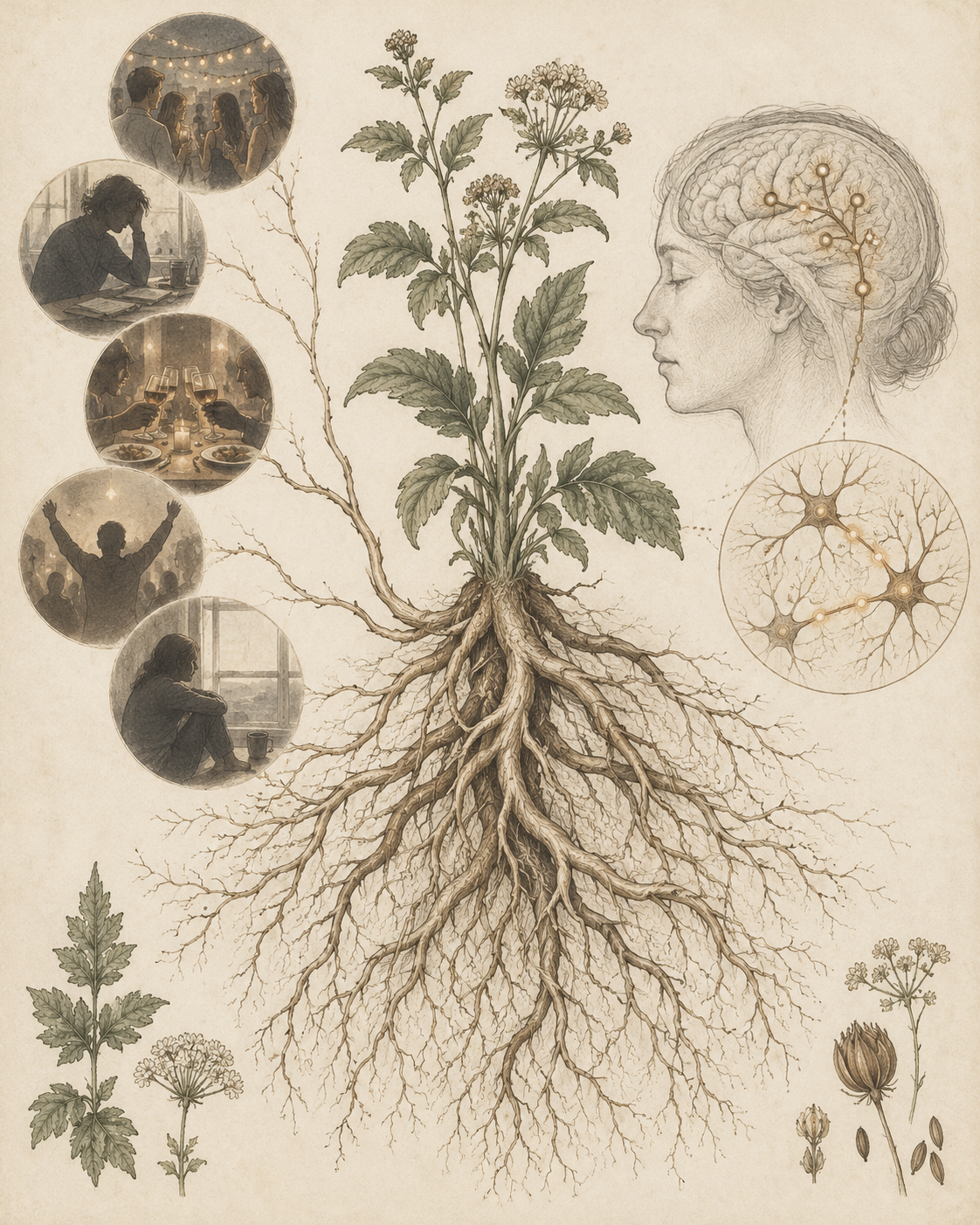
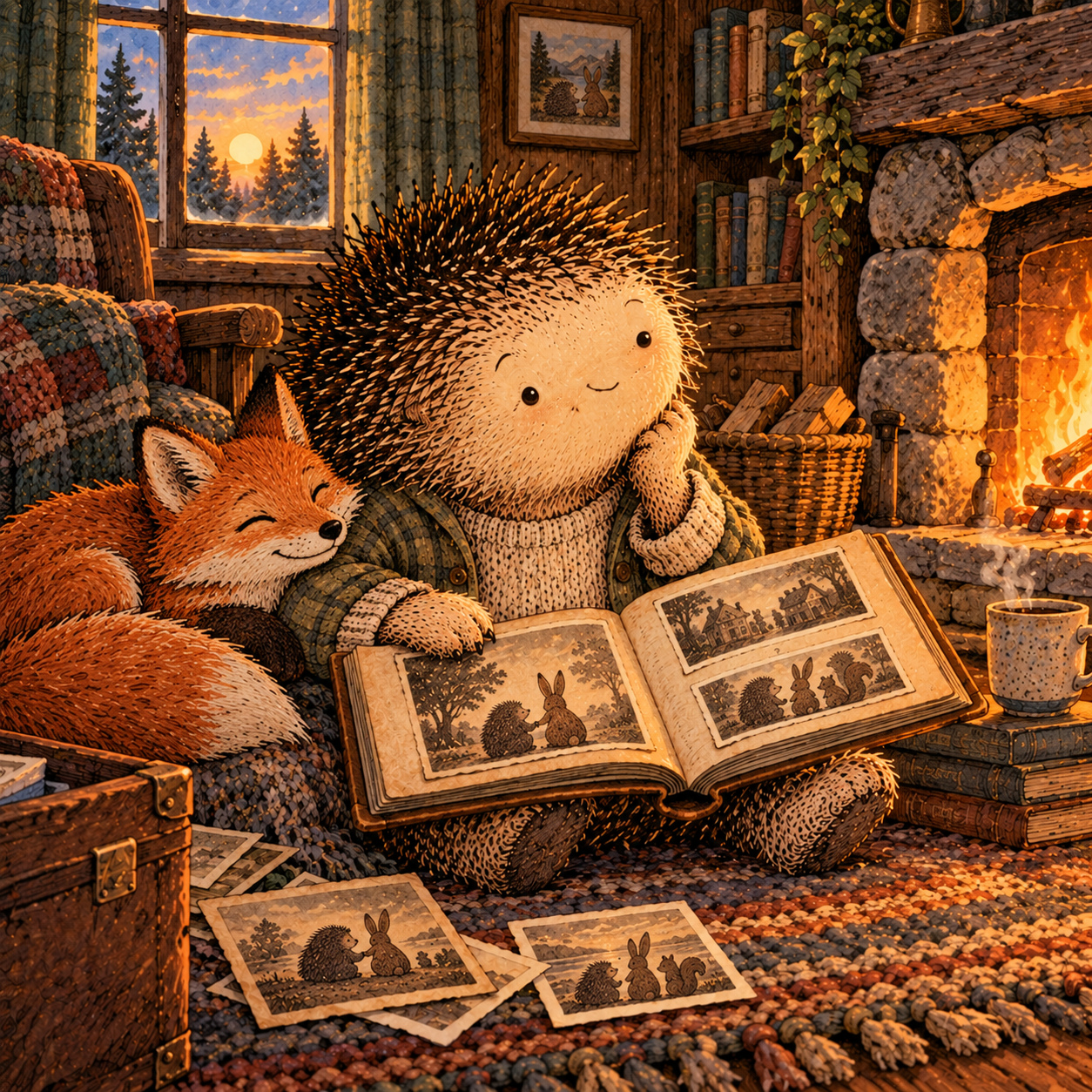
MOST HABITS HAVE A HISTORY BEFORE THEY HAVE A PROBLEM
At Some Point, Alcohol Found a Job in Your Life
Maybe drinking began as something social.
You were nineteen or twenty-one and the point was simple: everybody was doing it.
Then life changed.
College became work.
Work became responsibility.
Responsibility became a lot to carry.
The same substance that once meant “we’re going out” may have slowly picked up new jobs.
Now it meant:
the workday is over,
I earned this,
I can finally stop thinking,
Friday has started,
we’re celebrating,
I’m off duty,
we’re reconnecting,
I don’t have to feel this for a while.
That shift can happen quietly.
Nobody sits down and says, “I’m going to train my brain to use alcohol as a transition from responsibility to relief.”
Life just repeats the pairing.
Enough Fridays.
Enough dinners.
Enough stressful nights.
Enough wins.
Enough losses.
Eventually the pattern can feel like personality.
It usually started as learning.

Why We Chose This For You
Loading your personalized notes…
YOU MAY RECOGNIZE THAT THE PATTERN ONCE MADE PERFECT SENSE
This can soften the way you look at your own history.
Maybe drinking was genuinely useful socially when you were younger.
Maybe it helped you enter a new work culture.
Maybe it became the easiest available signal that a demanding day was over.
Understanding that does not require pretending the costs were harmless.
It simply replaces:
“Why did I keep doing something so stupid?”
with a better question:
“What was this doing for me that made repeating it make sense?”
That question is usually much more productive.
REPETITION TURNS CONTEXT INTO PREDICTION
Brains learn relationships between situations and outcomes.
Friday + drinking.
Stress + drinking.
Dinner out + drinking.
Success + drinking.
Loneliness + drinking.
As those pairings repeat, the context itself can begin to predict the behavior and the expected state change.
That is why a drinking pattern can persist long after the original reason changed.
The social confidence you needed at twenty-two may not be relevant at forty-two.
But the cue-response pathway may still be there.
Behavior can outlive the problem it originally solved.
WHY THIS MATTERS
Learned patterns are shaped by context and repetition, so understanding how they formed helps identify the cues and functions that still deserve attention now.

A Note For You
Loading your personalized notes…

Recent Slip Insight
Add a Title
ONE BENEFIT TO WATCH FOR

Less Shame, More Useful Information
The Pattern Becomes Something You Learned — Which Means It Can Keep Learning
When a habit stops looking like a character trait, change becomes more practical.
You can identify the old function.
See where it still matters.
See where it no longer fits.
Build a new response for the same moment.
That is different from trying to become a completely different person.
WHY THIS MATTERS
Learned patterns are shaped by context and repetition, so understanding how they formed helps identify the cues and functions that still deserve attention now.

WHAT PEOPLE DON'T TELL YOU
You can explain a pattern without giving it permanent permission.
Sometimes people resist looking backward because they worry it sounds like making excuses.
“My family drank.”
“My job culture was like that.”
“Everyone drank in college.”
Those facts do not remove your agency now.
They provide context.
There is a big difference between:
“This happened because of my environment, so I cannot change it.”
and:
“My environment taught me something. Now I can decide whether I still want to keep practicing it.”
The second version gives history a role without giving it the final word.
ONE BENEFIT TO WATCH FOR
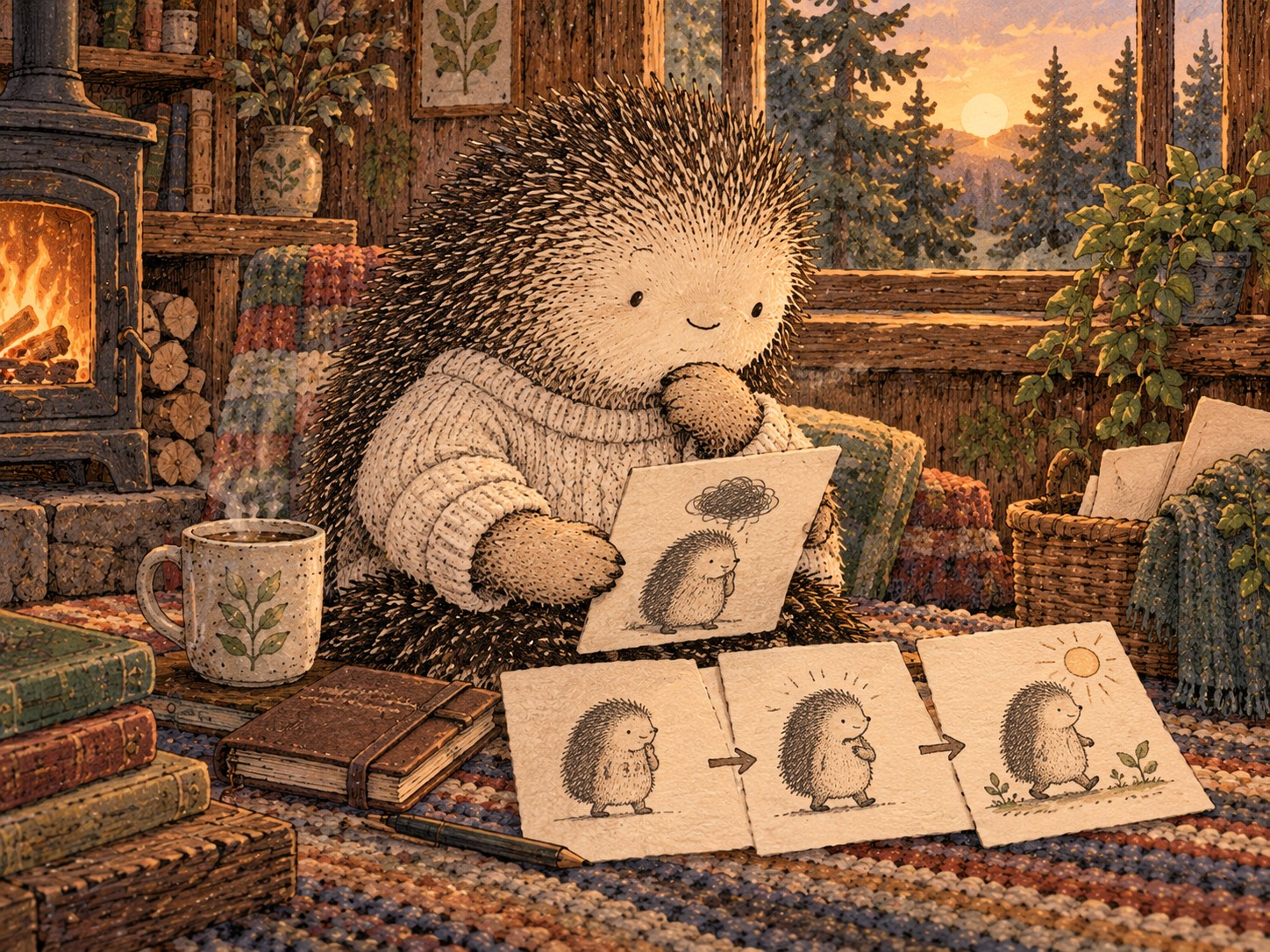

“A pattern can make sense historically and still stop making sense today.”
Cheers Without Beers

Your Version of Today's Experiment
Loading your personalized notes…

What to Take Away
Add a Title

Today's Experiment
Draw the Drinking Timeline
Create a short timeline of the major periods when alcohol changed meaning or picked up a new job in your life.


Mark the Chapters
Family/home, first drinking, college or early adulthood, work, relationships, parenting, major stress periods, current life—use only the chapters that matter.


Write the Job Alcohol Had
For each chapter, write what alcohol mainly provided then: belonging, fun, confidence, reward, relief, transition, escape, ritual or something else.

WHAT ARE YOU TESTING?
Can you see your current pattern as the result of several learned layers rather than one permanent trait?
You do not need one neat origin story. A useful timeline is allowed to be messy.


Circle What Is Still Active
Which old functions still appear in your current behavior—and which ones are now mostly leftovers from an older version of your life?

15 Minutes

What to Watch For
Loading your personalized notes…
WANT TO GO DEEPER?
Why Origin Stories Can Become Too Neat
Real habits are usually overdetermined.
People like explanations that sound clean.
“I drink because my dad drank.”
“I drink because of stress.”
“I drink because college normalized it.”
Maybe each statement contains truth.
But human behavior is usually built from several influences that reinforce one another.
Biology.
Culture.
Availability.
Family modeling.
Peer groups.
Reward.
Life transitions.
Repetition.
Personal temperament.
Specific stressful periods.
A strong Reset should resist the temptation to find one hidden cause.
The practical question is not:
“What single thing created this?”
It is:
“Which parts of the learning are still operating today?”
That keeps history connected to action.
Understand the Learning
Your pattern has a history.
Trace when alcohol changed meaning, what jobs it picked up and which of those old jobs still appear in your life now.


A Gentle Warning
Loading your personalized notes…
BEFORE YOU GO

When did alcohol stop being just something you drank and start becoming something you used?
Think about the first period when alcohol reliably helped with belonging, reward, relief, transition, confidence, escape or another job.

ONE THING TO TAKE WITH YOU
The Pattern Was Learned in Pieces
You do not need to blame the past. You need to understand which pieces of it are still running automatically in the present.

Your First Drinking Identity
Tomorrow we look at when alcohol first became part of who you thought you were—not just what you drank.