.png)
Day 55 of 365
Restaurants
Sometimes the craving starts before the food arrives—because ordering a drink was part of how dinner began.

15
minutes
Deep Dive Optional
RESET SUPPORT

The Drink May Have Been Part of the Opening Scene
If ordering became the difficult moment, decide on a simpler approach for next time. You can enjoy a meal without getting every conversation right.
THE HARDEST PART OF DINNER MAY HAPPEN BEFORE THE APPETIZER
You Used to Know How the Night Started
You are seated.
Everyone is looking at menus.
The server arrives.
“Drinks?”
That question used to make the evening move.
You ordered.
Something arrived.
You took the first sip.
Now you were out to dinner.
Without that step, there can be a weird gap.
You are sitting there with water, waiting for the event to feel like it has started.
Then somebody at the table gets a cocktail in a heavy glass with garnish and ice and presentation.
Your water looks like office hydration.
Of course the comparison can feel flat.
This is not necessarily about needing alcohol.
It may be about ceremony.
The restaurant used to give the drink a supporting role in the experience.
So let us rebuild the opening scene instead of pretending the opening scene does not matter.

Why We Chose This For You
Loading your personalized notes…
YOU MAY MISS THE DRINK MOST BEFORE YOU MISS THE TASTE
The first few restaurant visits can reveal something useful.
Maybe you barely think about alcohol once the food arrives.
That suggests the opening ritual mattered more than the entire meal.
Maybe steak or Italian food creates a strong pairing memory.
That is different.
Maybe you feel nothing until someone else orders your old favorite.
Different again.
Do not label the entire restaurant experience “hard.”
Find the minute that is hard.
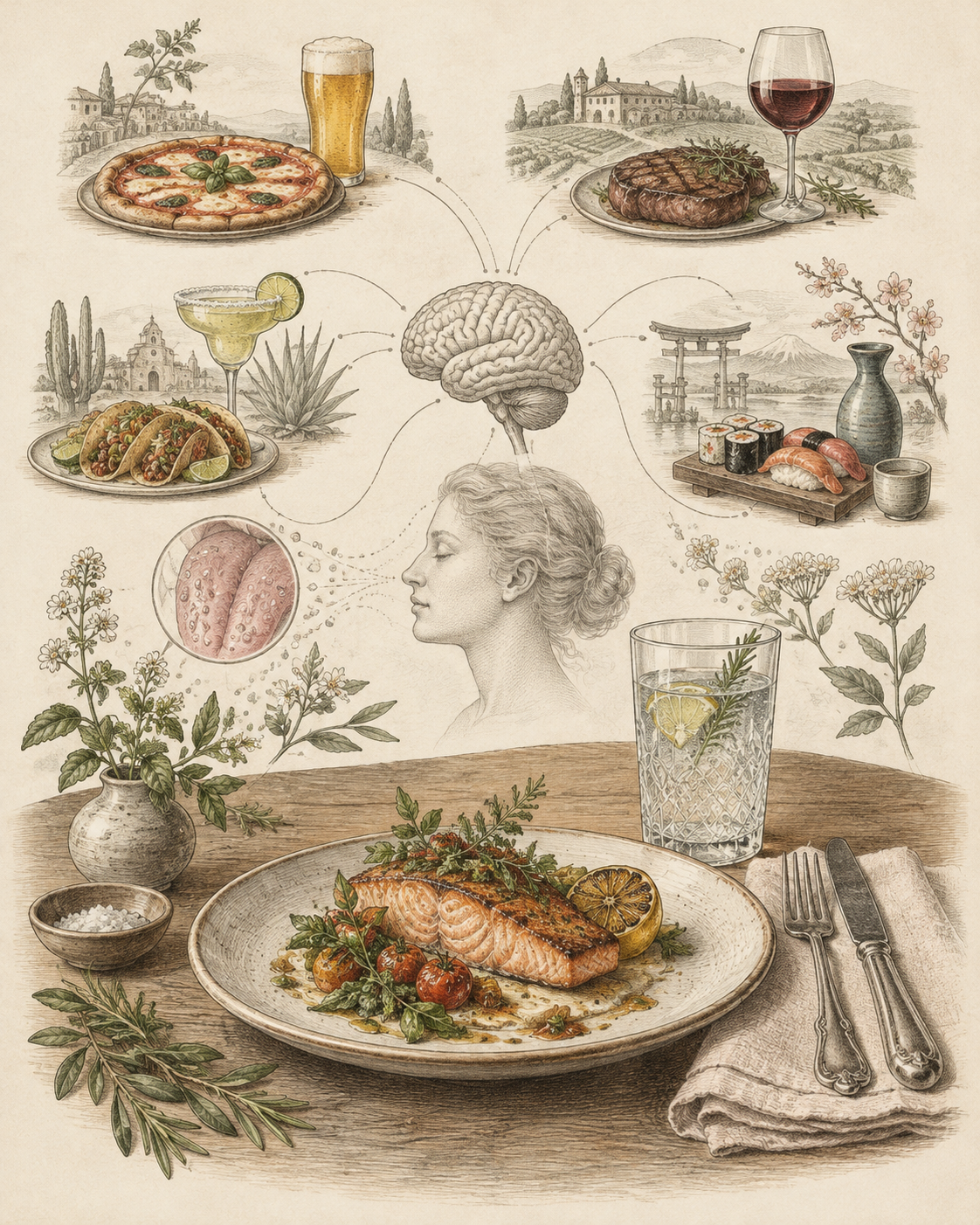
PAIRINGS ARE LEARNED PREDICTIONS
Food and drink pairings can become powerful because they are repeated together.
Pizza and beer.
Steak and red wine.
Mexican food and margaritas.
Sushi and sake.
Part of that can be taste.
Part can be cultural expectation.
Part can be memory.
When the food appears without the usual drink, the meal can initially feel incomplete because the brain predicted a familiar combination.
Repeated new pairings create new expectations.
That can be as simple as finding a restaurant drink you genuinely like or allowing the food itself to become the center of the experience.
WHY THIS MATTERS
Removing repeated alcohol decisions can reduce mental preoccupation and allow the restaurant experience to center more fully on food, people and atmosphere.

A Note For You
Loading your personalized notes…

Recent Slip Insight
Add a Title
ONE BENEFIT TO WATCH FOR
Dinner Becomes About Dinner Again
You May Notice More of the Meal When the Drink Is Not Running the Timeline
Without ordering rounds, monitoring pace or deciding whether to have another, dinner can become simpler.
Food.
Conversation.
Dessert.
The people across from you.
You may also leave feeling clearer and more satisfied with the experience itself instead of extending the night because drinking kept the evening going.
WHY THIS MATTERS
Removing repeated alcohol decisions can reduce mental preoccupation and allow the restaurant experience to center more fully on food, people and atmosphere.

WHAT PEOPLE DON'T TELL YOU
If the ritual matters, give yourself a ritual.
There is no medal for ordering the least interesting drink on the menu.
If sparkling water works for you, great.
If you want something with bitterness, spice, citrus, bubbles or ceremony, order that.
If nonalcoholic beer or wine helps you enjoy the meal without increasing preoccupation, that can be useful.
If replacement drinks make you want the real thing more, skip them.
This is exactly where personalization matters.
The right restaurant drink is the one that supports your experience—not the one that looks most like alcohol on paper.
ONE BENEFIT TO WATCH FOR
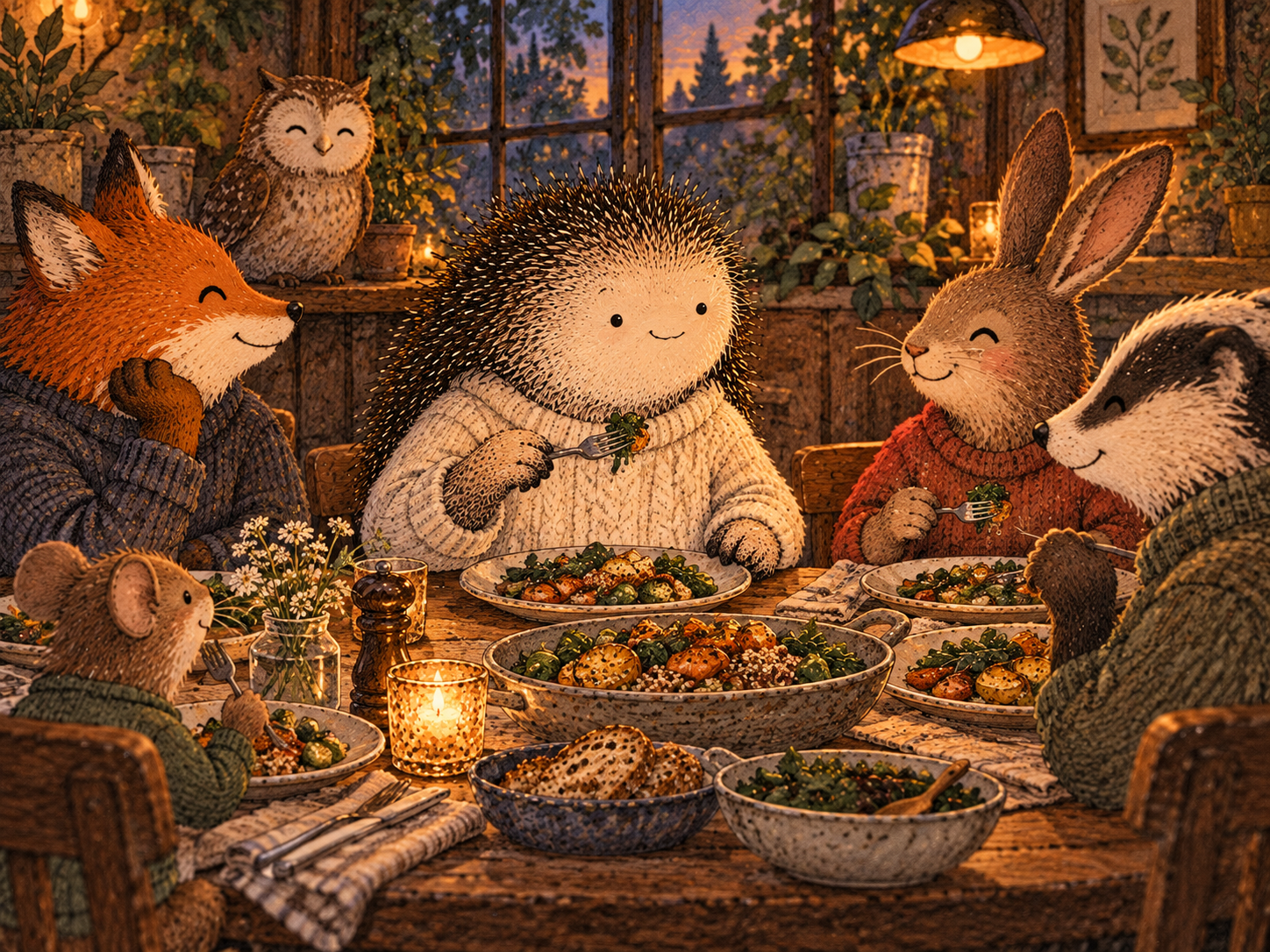

“Dinner does not lose its occasion just because the first order changed.”
Cheers Without Beers

Your Version of Today's Experiment
Loading your personalized notes…

What to Take Away
Add a Title

Today's Experiment
Redesign the First Ten Minutes
For your next restaurant meal, plan the first drink, the waiting period and one old food pairing you want to test.


Know the First Order
Choose your default before the server arrives. If the menu has a good alcohol-free option, try it only if replacement drinks fit your pattern.


Notice the Waiting Window
Pay attention between ordering and food arriving. Is this where the urge appears? Stay in the conversation or create a new ritual for that gap.

WHAT ARE YOU TESTING?
Can you identify the exact restaurant moment that carries the strongest old association instead of treating dining out as one giant trigger?
The useful result is specificity: first order, waiting, pairing, social pressure—or maybe restaurants are easier than you expected.


Test One Pairing
Choose a food strongly associated with alcohol and see what you actually miss: taste, ritual, expectation or nothing much at all.

One Restaurant Meal

What to Watch For
Loading your personalized notes…
WANT TO GO DEEPER?
Why Ritual Replacement Is Especially Personal Here
A nonalcoholic beer can be helpful for one person and completely wrong for another.
Restaurants make the replacement-drink question especially clear.
For one person, a nonalcoholic beer preserves the ritual, satisfies the sensory expectation and lets them move on with dinner.
For another, it becomes a cue.
The taste increases alcohol thoughts.
The bottle feels too similar.
They spend the rest of dinner thinking about the real version.
Neither reaction makes the product inherently good or bad.
The correct recommendation is conditional.
Does it reduce preoccupation?
Does it increase it?
Does it make the meal feel complete?
Does it create bargaining?
Does the effect repeat?
This is the kind of information your Reset should remember.
Not “NA drinks work.”
“NA beer helped in restaurants and sports settings three times, but NA wine increased craving at home.”
That is intelligence.
Find the Restaurant Moment
Do not label the whole restaurant as the trigger.
Plan the first order, observe the wait before food and test which pairings or replacement drinks actually affect you.


A Gentle Warning
Loading your personalized notes…
BEFORE YOU GO

What part of eating out is most connected to alcohol for you: ordering, waiting, a specific food pairing, the people, the atmosphere or extending the night afterward?
The more specific the moment, the more useful the next restaurant plan becomes.

ONE THING TO TAKE WITH YOU
You Are Not Giving Up Restaurants. You Are Rewriting the Opening Order.
Find the exact restaurant cue, test what replaces it well and let the rest of the meal become the event.

Sports & Entertainment
Tomorrow we look at places where alcohol has been culturally welded to the activity: games, concerts, golf, tailgates and entertainment.