.png)

Day 52 of 365
Leaving Early Is Allowed
Staying until the bitter end is not evidence that you handled the night better.

15
minutes
Deep Dive Optional
RESET SUPPORT

You Can Leave While the Night Is Still Good
Staying longer than felt comfortable is useful information. An earlier exit can be part of enjoying yourself, rather than a sign the evening went wrong.
THE EVENT CAN STILL BE GOING AFTER YOUR VERSION OF IT IS OVER
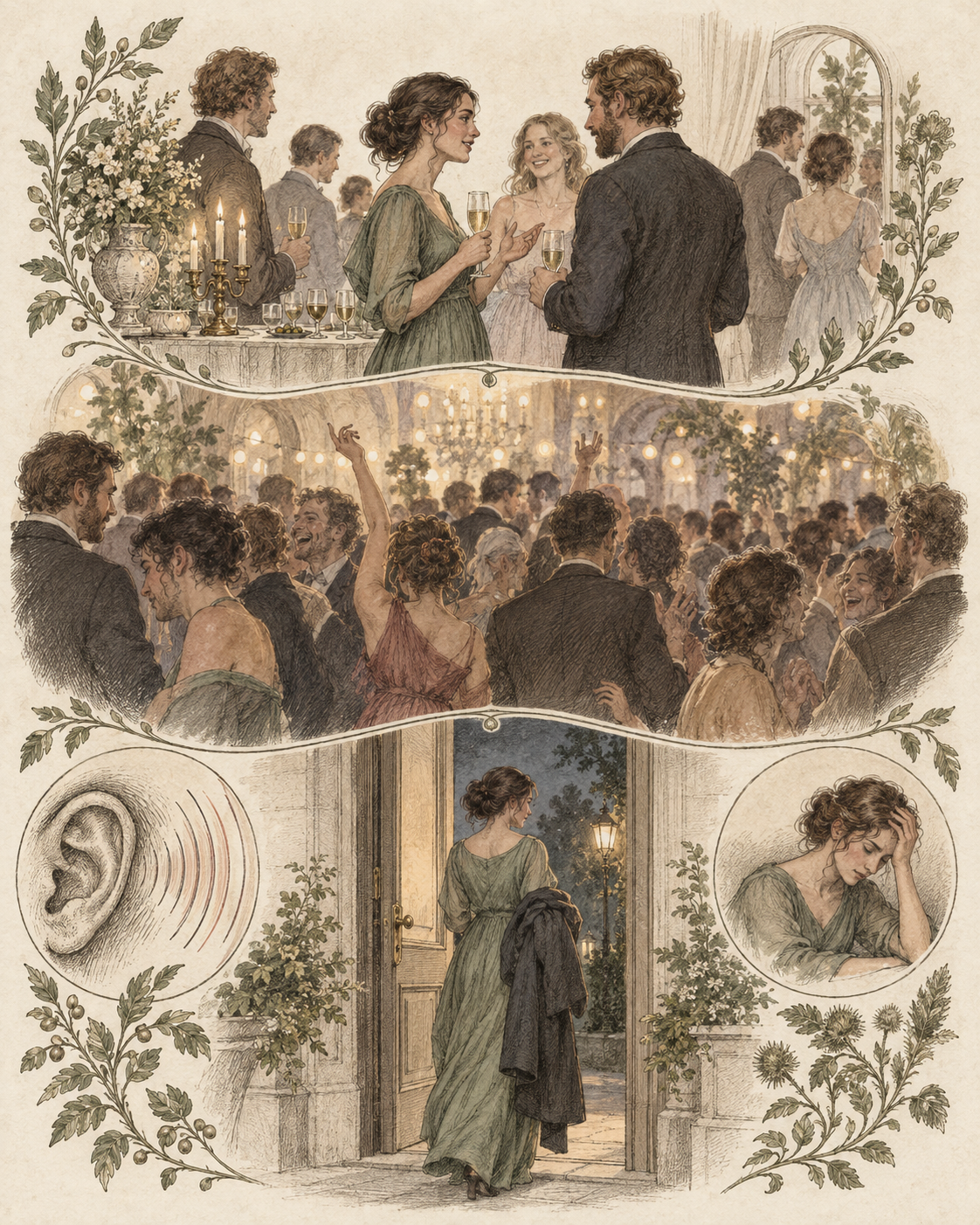
You Had a Good Time at 9:30. Why Are You Still There at 11:45?
Dinner was great.
You laughed.
You saw people you wanted to see.
You felt comfortable.
You did not spend the whole night thinking about alcohol.
At 9:30, the event was a success.
Then something shifted.
People ordered another round.
The conversation got louder.
The stories started repeating.
Your energy dropped.
The night stopped giving you much back.
And instead of leaving, you stayed.
Why?
Because leaving early felt like losing.
Because you did not want anyone to think you were “not fun anymore.”
Because you drove with somebody else.
Because the old version of you stayed late.
Because the event had not officially ended.
By 11:45, you are irritated and thinking about alcohol much more than you were two hours earlier.
That is not exposure therapy.
That is overstaying.

Why We Chose This For You
Loading your personalized notes…
YOU MAY FEEL GUILTY BEFORE YOU FEEL RELIEVED
Walking to the car can feel strangely dramatic.
“Am I becoming antisocial?”
“Did I leave too soon?”
“Was that rude?”
Then ten minutes later, you are home.
Shoes off.
Quiet.
No bargaining.
No loud room.
No extra two hours you did not even want.
Sometimes the relief tells you more than the guilt.
The guilt may be about breaking an old social rule.
The relief may be about listening to yourself.
RISK CAN CHANGE DURING THE SAME EVENT
A social setting is not one static exposure.
Your state changes over time.
You get tired.
You get hungry.
Other people get more intoxicated.
The environment gets louder.
Conversation quality changes.
Transportation options shrink.
Your own confidence may rise or fall.
That means an event can be low-risk at 7 PM and much harder at 11 PM.
Personalized planning should account for duration, not just location.
“Weddings are fine for me” may really mean “the first three hours of weddings are fine for me.”
WHY THIS MATTERS
Leaving before vulnerability rises can reduce unnecessary exposure without removing the meaningful or enjoyable part of the event.

A Note For You
Loading your personalized notes…

Recent Slip Insight
Add a Title
ONE BENEFIT TO WATCH FOR
Better Endings
You Can Keep the Good Part of the Night and Skip the Part That Usually Costs You
Strategic exits can preserve the experience.
You remember dinner.
The conversation.
The laugh.
The game.
The people.
You skip the late-night stretch where fatigue, pressure or bargaining tends to grow.
That can make social events feel more sustainable instead of something you either avoid completely or endure completely.
WHY THIS MATTERS
Leaving before vulnerability rises can reduce unnecessary exposure without removing the meaningful or enjoyable part of the event.

WHAT PEOPLE DON'T TELL YOU
The difference is whether you got what you came for.
If you never attend anything because alcohol might be there, avoidance may be shrinking your life.
If you attend, connect, participate and then leave when the night stops serving you, that is different.
Avoidance says:
“I cannot be there.”
A strategic exit says:
“I can be there—and I decide when I am done.”
That is a much more flexible skill.
Over time, you may stay longer in some places because they become easier.
Or you may discover you simply prefer going home earlier.
Both are allowed.
ONE BENEFIT TO WATCH FOR
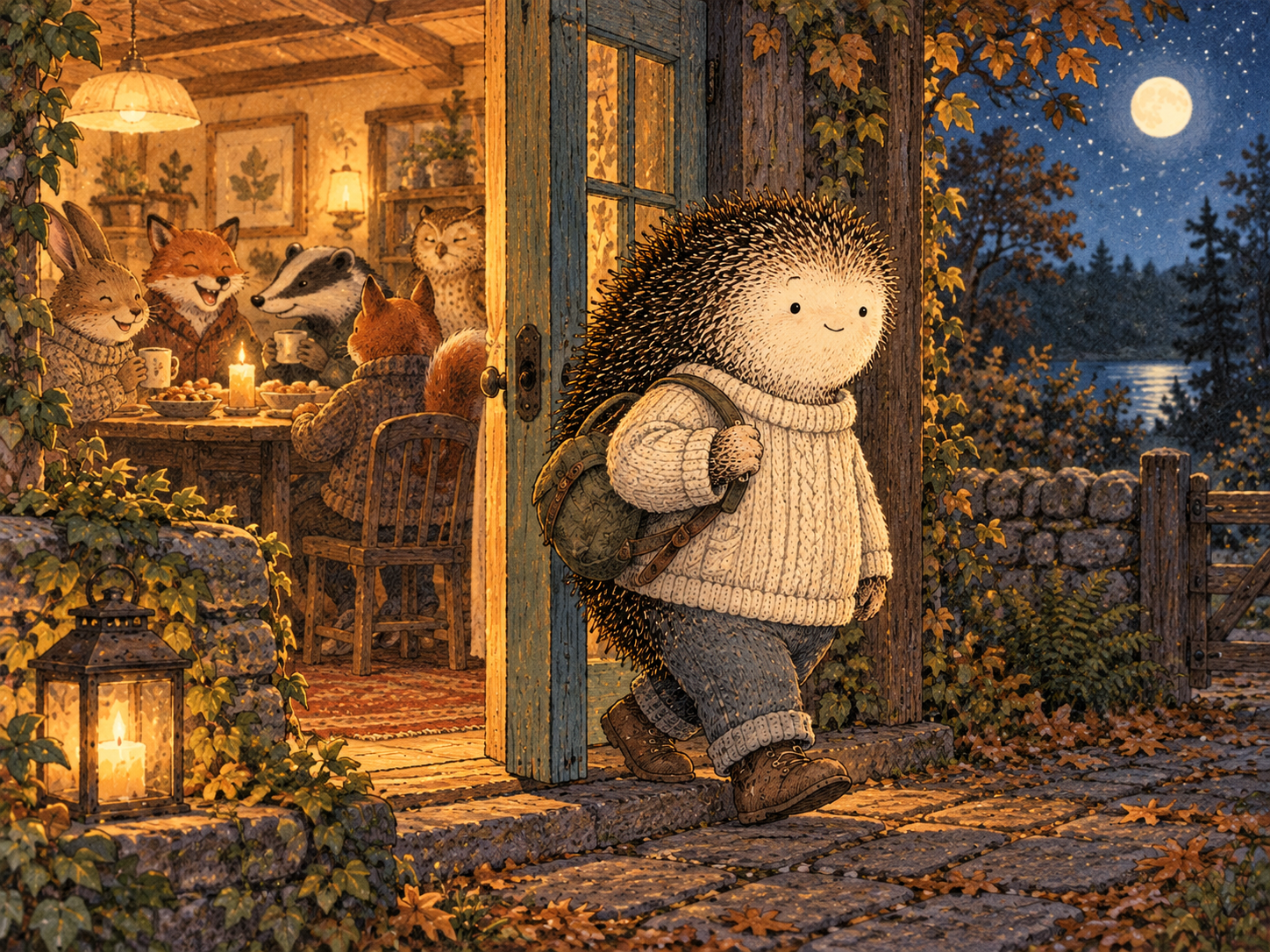

“You do not have to stay until the night becomes difficult to prove the beginning was a success.”
Cheers Without Beers

Your Version of Today's Experiment
Loading your personalized notes…

What to Take Away
Add a Title

Today's Experiment
Choose Your Exit Before You Arrive
For your next social event, decide what 'enough' looks like and how you will leave if the event crosses that line.


Define Success
What do you actually want from this event? One conversation? Dinner? The ceremony? Ninety minutes? Write the answer before you go.


Choose the Exit Signal
Pick one: time, urge level, fatigue level, people getting noticeably intoxicated, or simply the moment you stop enjoying yourself.

WHAT ARE YOU TESTING?
Can you leave because you are done rather than waiting until the event itself gives you permission?
Success is getting the value you wanted from the event without donating extra hours to prove something.


Make Leaving Easy
Control transportation if possible, tell anyone who needs to know, and use one sentence when it is time: “Great seeing you—I’m heading out.”

One Social Event

What to Watch For
Loading your personalized notes…
WANT TO GO DEEPER?
Why Duration Should Become Part of Your Risk Model
The same place can become a different environment over the course of the night.
Traditional trigger lists often label entire categories.
Bars.
Weddings.
Parties.
Sporting events.
But behavior is more dynamic than that.
A person may be completely comfortable through dinner and struggle after midnight.
Another may find the arrival difficult but relax once they settle in.
Another may be fine until everyone else becomes visibly intoxicated.
The useful variable is sometimes not “Where were you?”
It is “At what point did the situation change?”
CWOB can eventually learn this.
Event type + duration + fatigue + group behavior + urge trajectory.
That is far more actionable than telling someone parties are a trigger.
Leave While It Is Still a Win
You do not need to wait for the party to end.
Define what you came for, choose an exit signal and make transportation easy enough that you can act on it.


A Gentle Warning
Loading your personalized notes…
BEFORE YOU GO

Which social events would become easier if you gave yourself permission to leave one or two hours earlier?
Think about when the experience usually changes: fatigue, intoxication around you, boredom, pressure, noise or simply being socially done.

ONE THING TO TAKE WITH YOU
You Decide When Your Night Is Over
Take the part of the event you value. You do not owe the rest of the evening your attendance.

Hosting Without Drinking
Tomorrow the challenge flips: instead of entering someone else’s drinking environment, you are the one creating the environment.