.png)
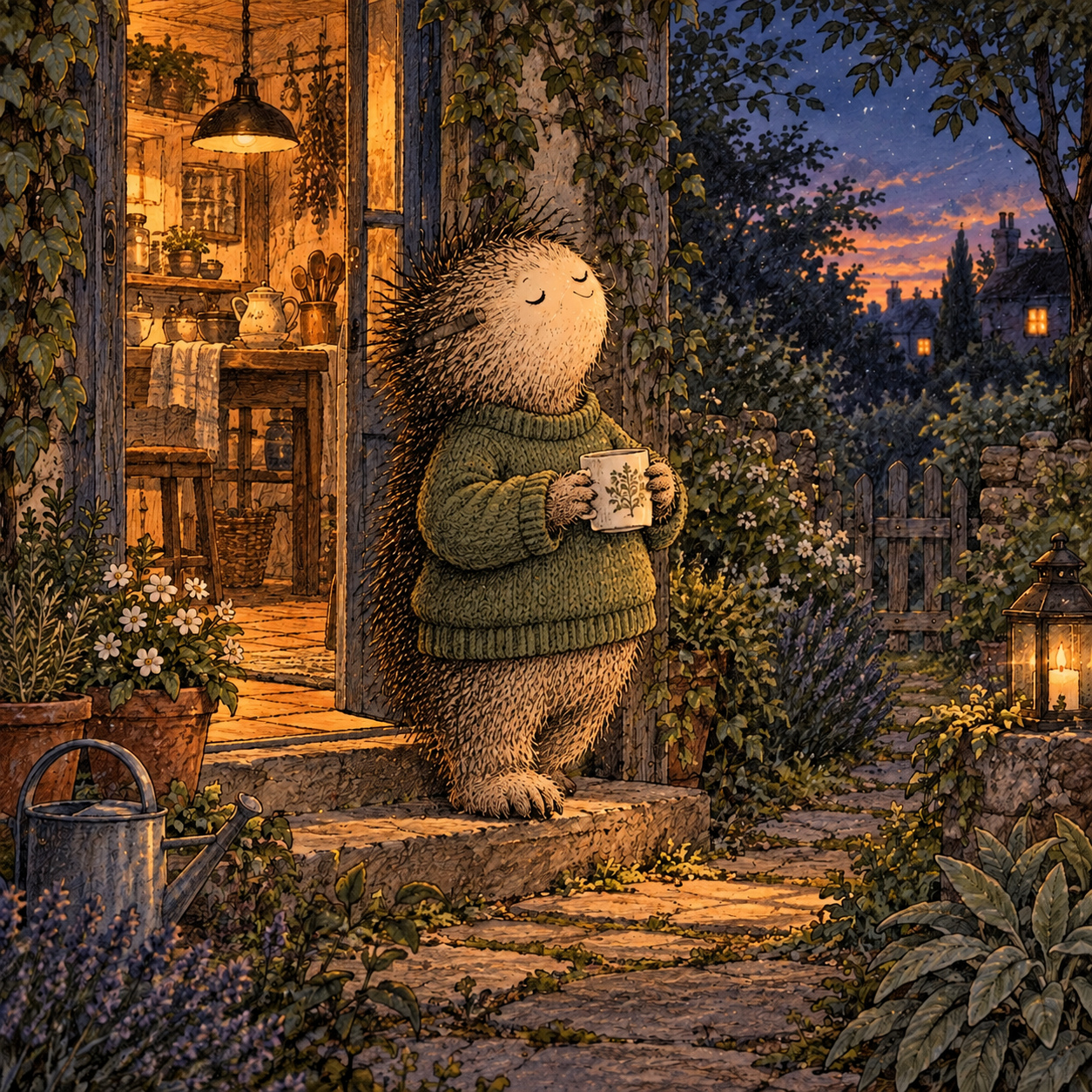
Day 5 of 365
When a Drink Feels Like an Off Switch
After a long day, “I want a drink” can sometimes mean “I need this feeling to change.” Tension, overstimulation, loneliness, frustration or the inability to switch off can all make alcohol look like the fastest exit.

10
minutes
Deep Dive Optional
RESET SUPPORT

Something Went Sideways?
A stressful evening calls for support, not a tougher lecture. Take some pressure off before deciding what to do next.
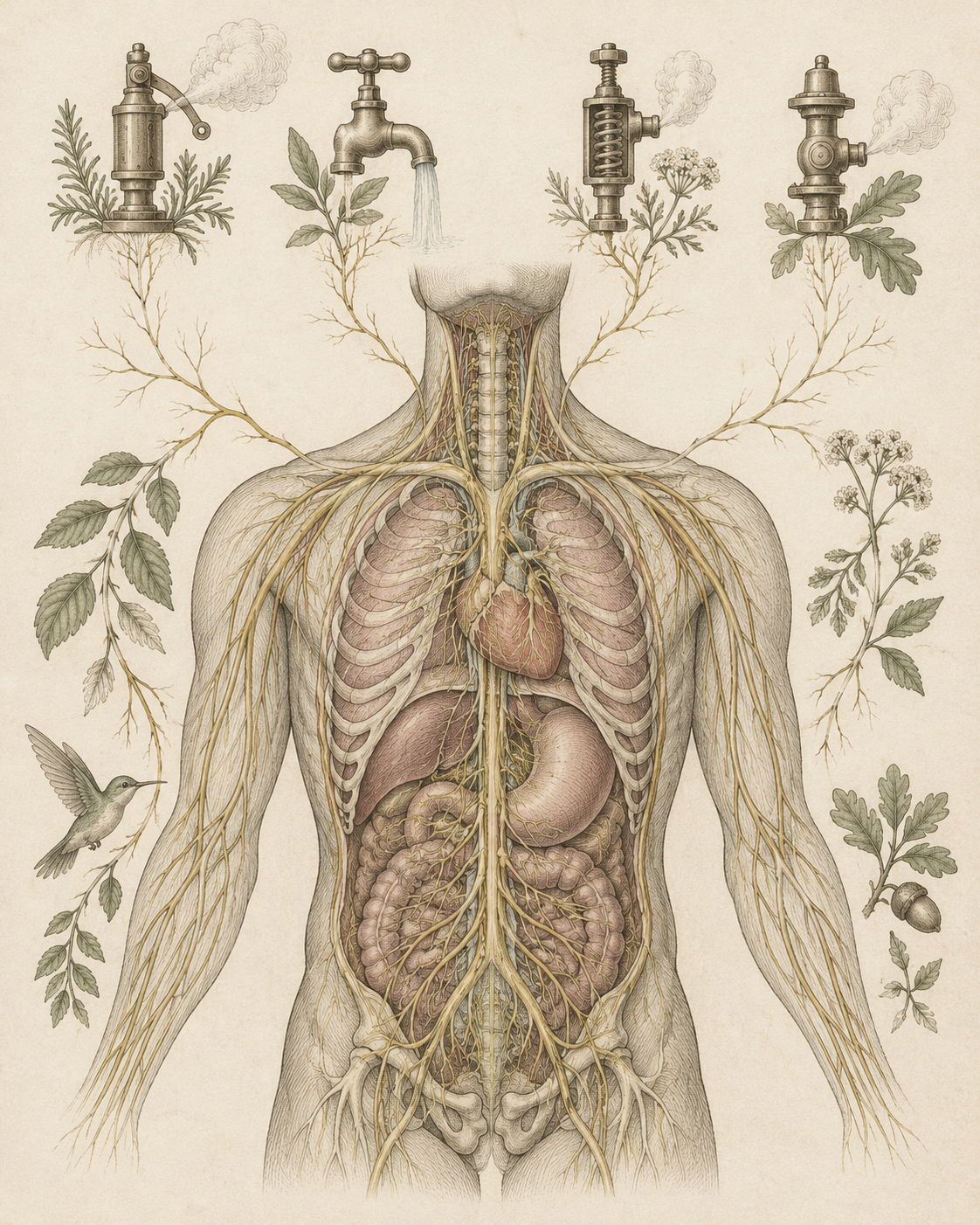
YOUR STATE MATTERS
Sometimes You Want a State Change, Not a Drink
There are evenings when “I want a drink” is really shorthand for “I cannot keep feeling like this.” The day has been loud. Your jaw is tight. You are carrying work into the kitchen. Everyone needs something. Or the opposite happens: the house gets quiet and all the thoughts you outran during the day finally catch up.
In those moments alcohol can feel less like entertainment and more like a switch. Not because you are weak, but because changing an uncomfortable state quickly is incredibly reinforcing.
Today we are separating the drink from the state it was asked to fix. Stress, anxiety, irritability, loneliness and overstimulation are not identical problems. If you can name which one is present, you have a better chance of choosing a response that actually fits it.

Why We Chose This For You
Loading your personalized notes…
SOMETIMES “I WANT A DRINK” MEANS “MAKE THIS STOP”
The pull may feel like tight shoulders, buzzing thoughts or the sense that everyone needs something from you. In that state, a drink can look less like fun and more like an emergency exit.
UNDER THE HOOD
Stress activates systems designed to help you respond to challenge. Heart rate can rise, muscles tense, attention narrows and hormones such as cortisol help mobilize energy. Alcohol can temporarily dampen parts of that arousal, which is one reason relief can feel immediate.
The tradeoff is that short-term sedation is not the same as teaching the nervous system to regulate itself. As alcohol wears off, some people notice rebound activation, disrupted sleep or a more fragile baseline the next day.
That pattern will not look identical for everyone. What matters here is whether your own “off switch” has been borrowing calm from later.
Why Translating the Urge Helps
If you can turn “I need a drink” into “I need to come down from a ten to a six,” the problem gets smaller. You can test interventions against the actual state: food if you are depleted, movement if you are buzzing, quiet if you are overstimulated, connection if the stress has turned into isolation.
Some tools will miss. That is useful too. A meditation app may be perfect on one night and infuriating on another. The Reset works better when you stop judging tools by reputation and start judging them by whether they change your real state.

A Note For You
Loading your personalized notes…

Recent Slip Insight
Add a Title
ONE BENEFIT TO WATCH FOR

Regulation
More Than One Way to Exhale
You are building a second off-ramp. Even a small reduction in tension shows that the evening can move in another direction.
Why Translating the Urge Helps
If you can turn “I need a drink” into “I need to come down from a ten to a six,” the problem gets smaller. You can test interventions against the actual state: food if you are depleted, movement if you are buzzing, quiet if you are overstimulated, connection if the stress has turned into isolation.
Some tools will miss. That is useful too. A meditation app may be perfect on one night and infuriating on another. The Reset works better when you stop judging tools by reputation and start judging them by whether they change your real state.

WHAT PEOPLE DON'T TELL YOU
Calm does not have to arrive all at once.
A shower, food, movement or ten minutes alone may lower the pressure only twenty percent. Twenty percent can change the next decision.
ONE BENEFIT TO WATCH FOR


“You may not need a drink. You may need the day to stop touching you for a minute.”
YOUR RESET

Your Version of Today's Experiment
Loading your personalized notes…

What to Take Away
Add a Title

Today's Experiment
Test a Different State Change
Rate your tension from 0–10. Try one short state change, then rate it again. Treat the result as data.


Name the State
Before your usual drinking window, name the state you are actually in.


Match the Tool
Choose a replacement that matches the need: movement for agitation, food for depletion, quiet for overload, connection for loneliness, or a transition ritual for work stress.

Match the Tool to the Tension
Find one action that changes your nervous system slightly without creating tomorrow’s bill.
The number moved—or you learned this tool was not the right one. Both results help.


Compare
Ten minutes later, compare the state—not whether you were “good.”

5–10 Minutes

What to Watch For
Loading your personalized notes…
WANT TO GO DEEPER?
Relief Is a Job, Not a Substance
Relief is information about the problem alcohol was solving.
Stress drinking is often treated as a character issue when it is better understood as a regulation strategy with a very fast payoff. The important question is not “Why can’t I just relax?” It is “What kind of regulation does this moment need?”
For a high-arousal state, an active discharge such as walking, lifting, showering or doing a concrete task may work better than sitting still. For mental rumination, writing the loop down can reduce the feeling that you must keep rehearsing it. For loneliness, no breathing exercise can substitute for actual contact.
This is why generic advice fails so often. The category “stress” contains several different experiences. Your best strategy is the one that matches the version you actually have.
Translate “I Need a Drink” Into the Real Need
Stress can disguise itself as thirst.
When alcohol has been your fastest downshift, removal is not enough. Your body still needs a way to come down.


A Gentle Warning
Loading your personalized notes…
BEFORE YOU GO

What kind of relief were you actually asking for today?
Did you need quiet, distance, food, reassurance, movement, sleep or permission to stop?

ONE THING TO TAKE WITH YOU
Relief Works Better When It Fits the State
Replace the state change alcohol provided, not merely the liquid in the glass.

Sleep: Sedation Isn't the Same as Rest
Tomorrow we look at sleep. Not the vague “alcohol is bad for sleep” version—the difference between being knocked out and getting restorative sleep, plus what you may already be noticing after several alcohol-free nights.