.png)
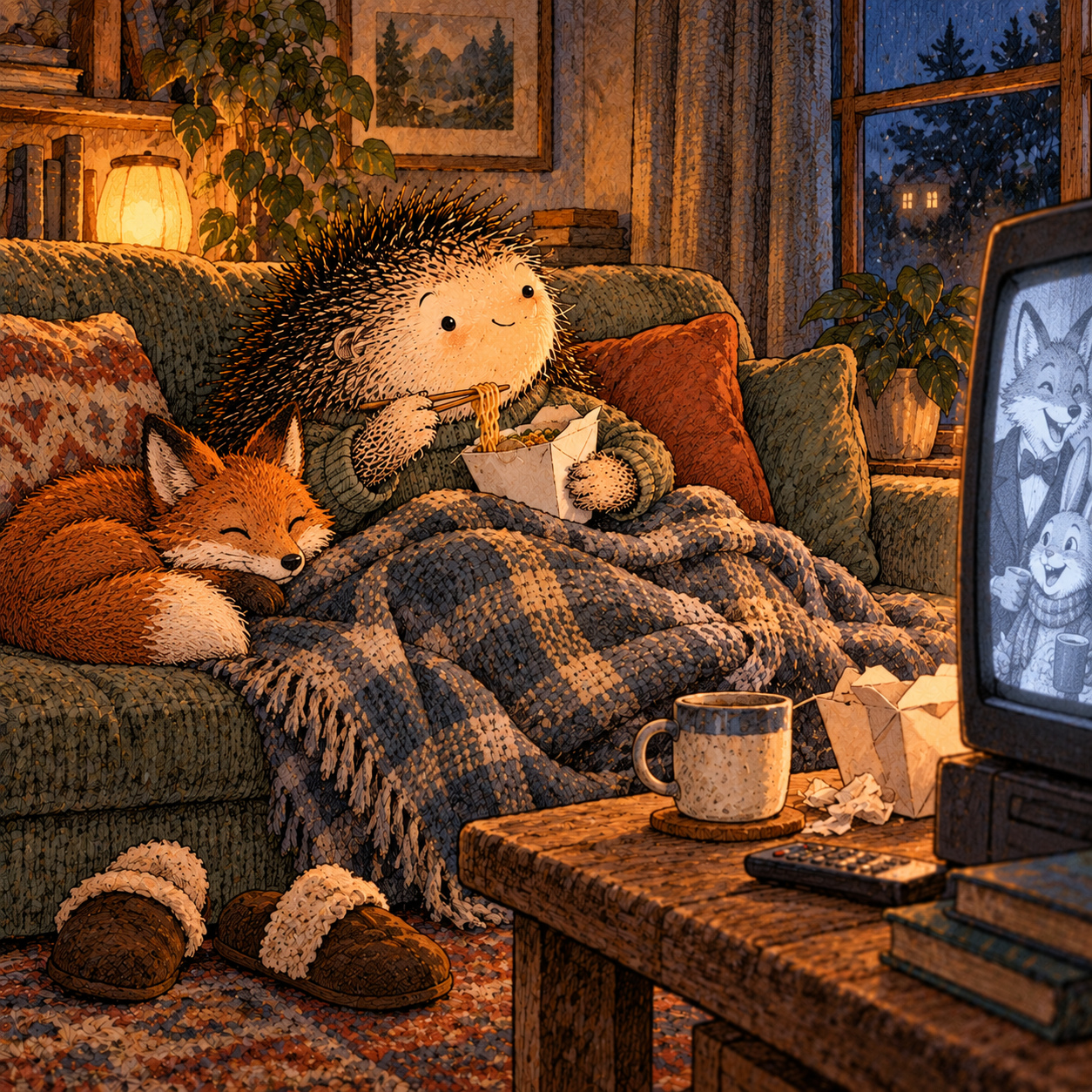
Day 49 of 365
A Terrible Day Protocol
This is for the night when you do not want to journal, grow, reflect, meditate or become a better person. You just want the day to be over.

15
minutes
Deep Dive Optional
RESET SUPPORT

Your Plan Needs to Work on Your Worst Day, Not Just Your Best One
On a terrible day, reduce the number of things you're asking yourself to handle. Choose a basic support and put the larger analysis aside.
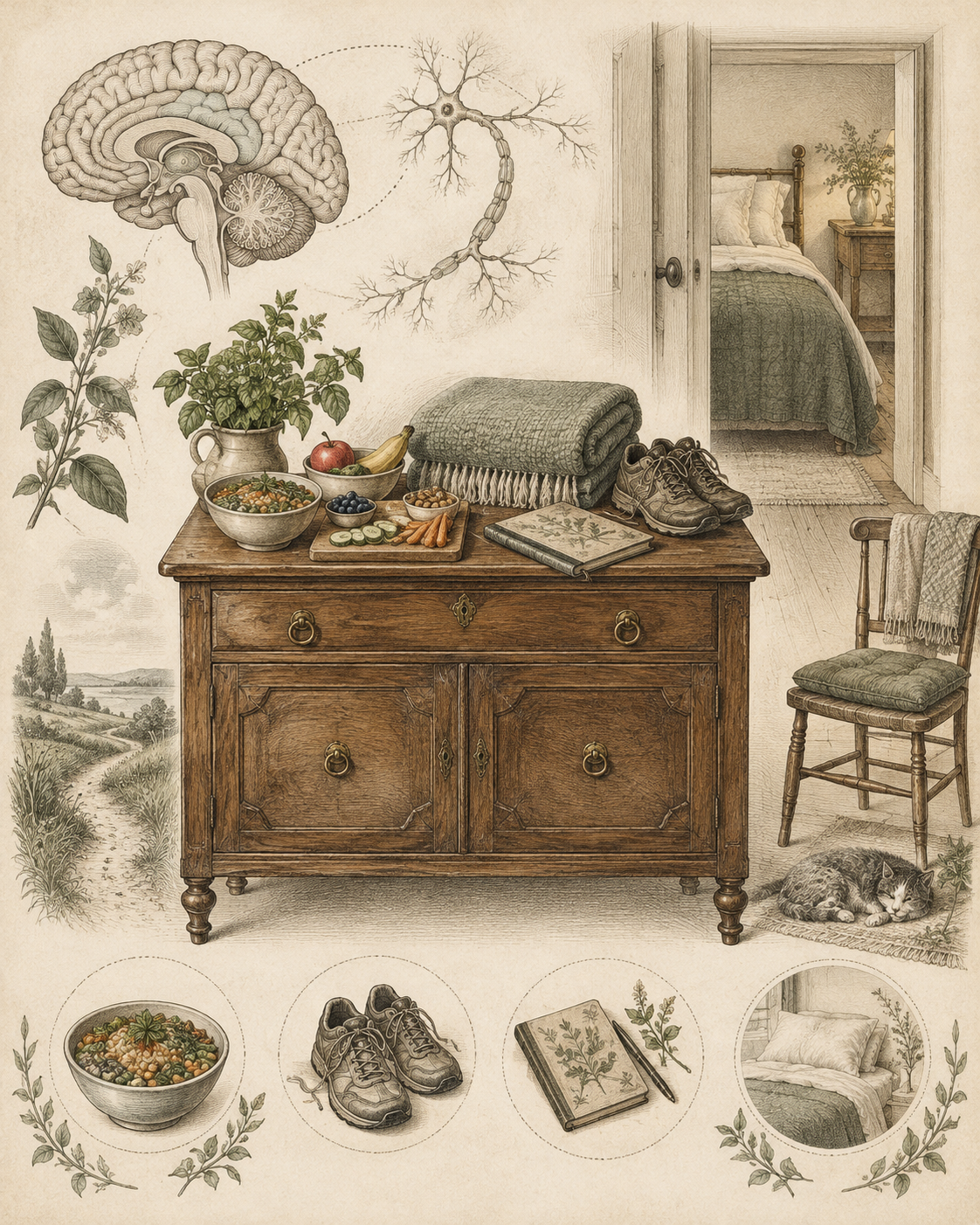
YOUR HARDEST DAY IS NOT THE TIME TO PROVE HOW MANY TOOLS YOU HAVE
The Plan Should Get Smaller as Your Capacity Gets Smaller
Imagine the kind of day that strips the polish off everything.
You slept badly.
Work went sideways.
Traffic was awful.
Someone at home is upset.
Dinner is not planned.
The house is loud.
Your phone keeps buzzing.
Something expensive broke.
Now someone hands you a seven-step coping worksheet.
No.
This is the moment when the system needs to become simpler than the habit.
Alcohol is attractive here partly because it is easy.
Open.
Pour.
Done.
Your protocol has to respect that competition.
Not by being equally instant.
By removing decisions.
You already know what you eat.
Who you text.
What you do with alcohol in the house.
What you say to yourself.
What time you stop trying to salvage the day.
Terrible days do not need elegant plans.
They need rails.

Why We Chose This For You
Loading your personalized notes…
THE VOICE THAT SAYS 'SCREW IT' USUALLY WANTS RELIEF, NOT CHAOS
There is a specific kind of thought that appears on terrible days:
“Screw it.”
That sentence can sound like permission to abandon everything.
But underneath it is often something more reasonable.
“I cannot carry another demand.”
“I need something to stop.”
“I want one thing to feel easy.”
Listen to that part.
Then answer it without handing over the entire night.
Screw the laundry.
Screw answering email.
Screw cooking the complicated meal.
Screw being productive.
You do not have to screw yourself.
LOW CAPACITY CHANGES THE VALUE OF FRICTION
When you are depleted, even small barriers can matter.
That is why the old habit can become more compelling on terrible days: it is familiar, fast and requires almost no planning.
A protective system works by reversing some of that friction.
Make the safe food easy.
Make the support person obvious.
Make alcohol less immediately available if that helps your pattern.
Make the proven coping tool ready.
Make bedtime permissible.
The goal is not to increase willpower.
It is to reduce the number of moments where willpower needs to enter the conversation.
WHY THIS MATTERS
A minimum protocol preserves the most important behaviors when cognitive and emotional capacity are low, reducing the chance that one hard day cascades into several.

A Note For You
Loading your personalized notes…

Recent Slip Insight
Add a Title
ONE BENEFIT TO WATCH FOR
A Floor Under the Bad Days
One Awful Day Stops Having the Power to Blow Up the Whole Week
A terrible-day protocol gives you a floor.
The night may still be unpleasant.
But you ate.
You did not create another fight.
You used the one tool that tends to help.
You did not turn exhaustion into a new drinking episode.
You got to bed.
That can sound unimpressive until you compare it with the alternative.
Durability often looks boring from the outside.
WHY THIS MATTERS
A minimum protocol preserves the most important behaviors when cognitive and emotional capacity are low, reducing the chance that one hard day cascades into several.

WHAT PEOPLE DON'T TELL YOU
Sometimes the healthier choice is the choice that asks less of you.
This program is not here to award points for difficulty.
If ordering food prevents the hungry 7 PM crash, order food.
If the house is messy, let it be messy.
If you need to cancel plans, cancel plans.
If the only useful goal tonight is shower, eat, show, bed—that is a plan.
The trap is thinking that because you cannot execute the ideal routine, the entire night no longer counts.
It counts.
The minimum version is still the system.
ONE BENEFIT TO WATCH FOR
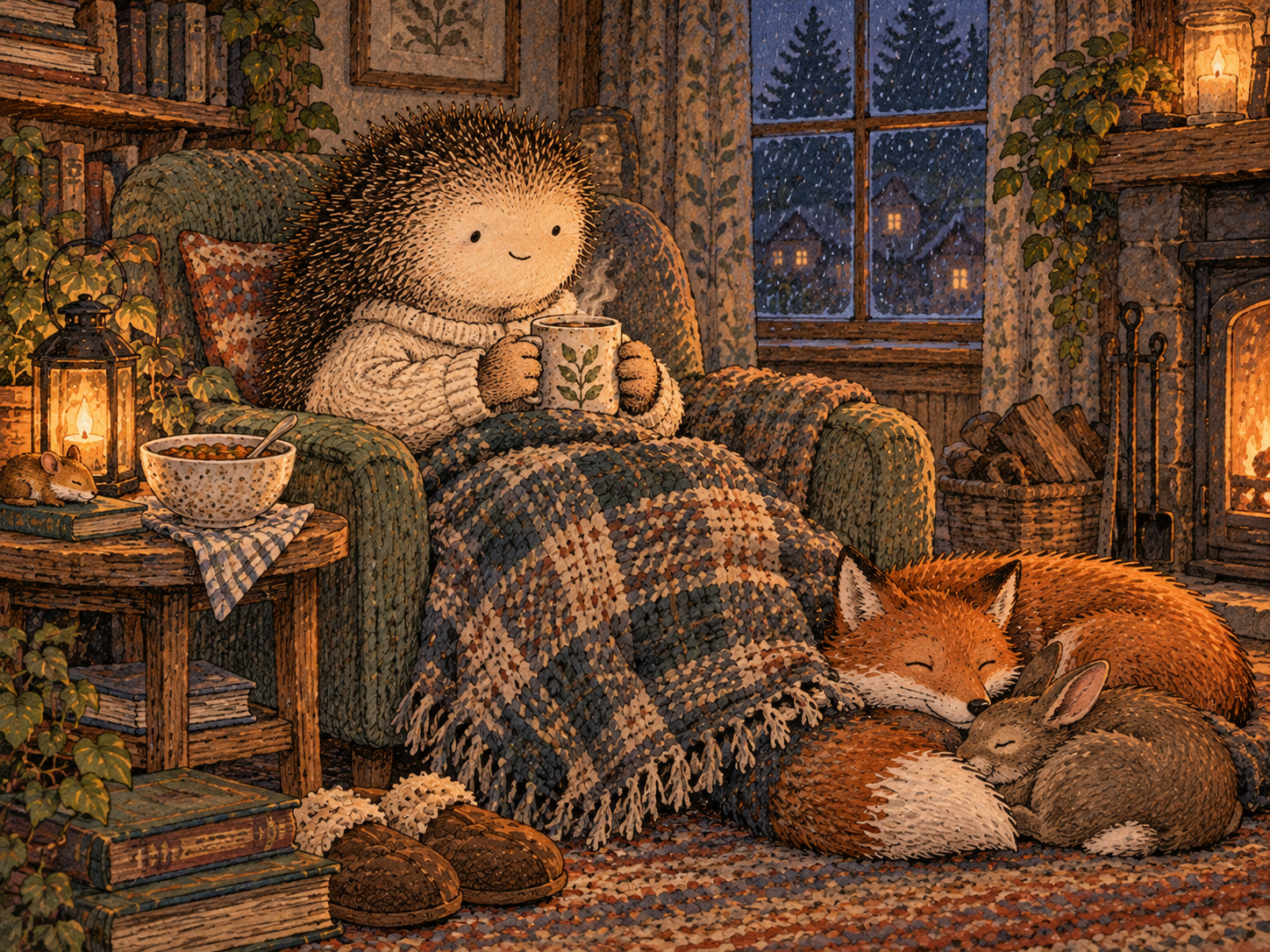

“On the worst days, success gets smaller—not meaningless.”
Cheers Without Beers

Your Version of Today's Experiment
Loading your personalized notes…

What to Take Away
Add a Title

Today's Experiment
Write Your Terrible-Day Card
Create a tiny protocol you could follow at 8% capacity. If it requires motivation, simplify it again.


Choose Your Five Defaults
Write your easiest food, one support person, one proven tool, one way to lower input and the earliest reasonable bedtime.


Remove One Decision
Identify the decision most likely to become alcohol bargaining and pre-decide it. Example: “I do not stop at the store on terrible days.”

WHAT ARE YOU TESTING?
Could you follow this plan on a night when you are tired, irritated and completely uninterested in self-improvement?
If the plan feels almost too easy, you are getting closer.


Make It Visible
Save the protocol somewhere you will actually find it: phone note, dashboard, kitchen, wallet or CWOB emergency screen.

10 Minutes

What to Watch For
Loading your personalized notes…
WANT TO GO DEEPER?
Why Minimum Standards Protect Long-Term Change
Consistency survives because the system has a low gear.
All-or-nothing systems break under stress.
If success means executing the full routine, then one chaotic day becomes failure.
And once the day is labeled failure, the old “might as well” logic has room to enter.
A minimum standard creates continuity.
You do not need to win the day.
You need to preserve the chain that matters most.
This concept extends beyond alcohol.
Athletes have recovery days.
Businesses have contingency plans.
Pilots have emergency procedures.
Parents have survival dinners.
Healthy systems anticipate disruption.
Your terrible-day protocol is not pessimistic.
It is proof that the plan expects you to have a real life.
Protect the Floor
The bad-day version of the plan should be smaller.
No big decisions. Eat. Lower input. Use one proven tool. Get to tomorrow without making tomorrow harder.


A Gentle Warning
Loading your personalized notes…
BEFORE YOU GO

What usually disappears first when you have a terrible day—and which one thing would help you most if it stayed?
Think about food, sleep, boundaries, movement, connection, environment and the moment where “screw it” normally starts.

ONE THING TO TAKE WITH YOU
Bad Days Need a Floor, Not a Performance
Build the version of your plan that still works when motivation is gone.

Social Pressure — Real vs. Imagined
Tomorrow we look at what other people are actually doing versus what your mind predicts they will think about your choice.