.png)
Day 4 of 365
What Happens Before the Drink?
You may experience drinking as one choice—I had a drink. But habits usually have a runway. A time, place, feeling, person or transition can start the sequence before you consciously decide anything.

10
minutes
Deep Dive Optional
RESET SUPPORT

Something Went Sideways?
Look just before the drink: a place, a feeling, a familiar cue. That small detail may show where to interrupt the pattern.
CATCH THE SEQUENCE
The Decision Often Started Earlier
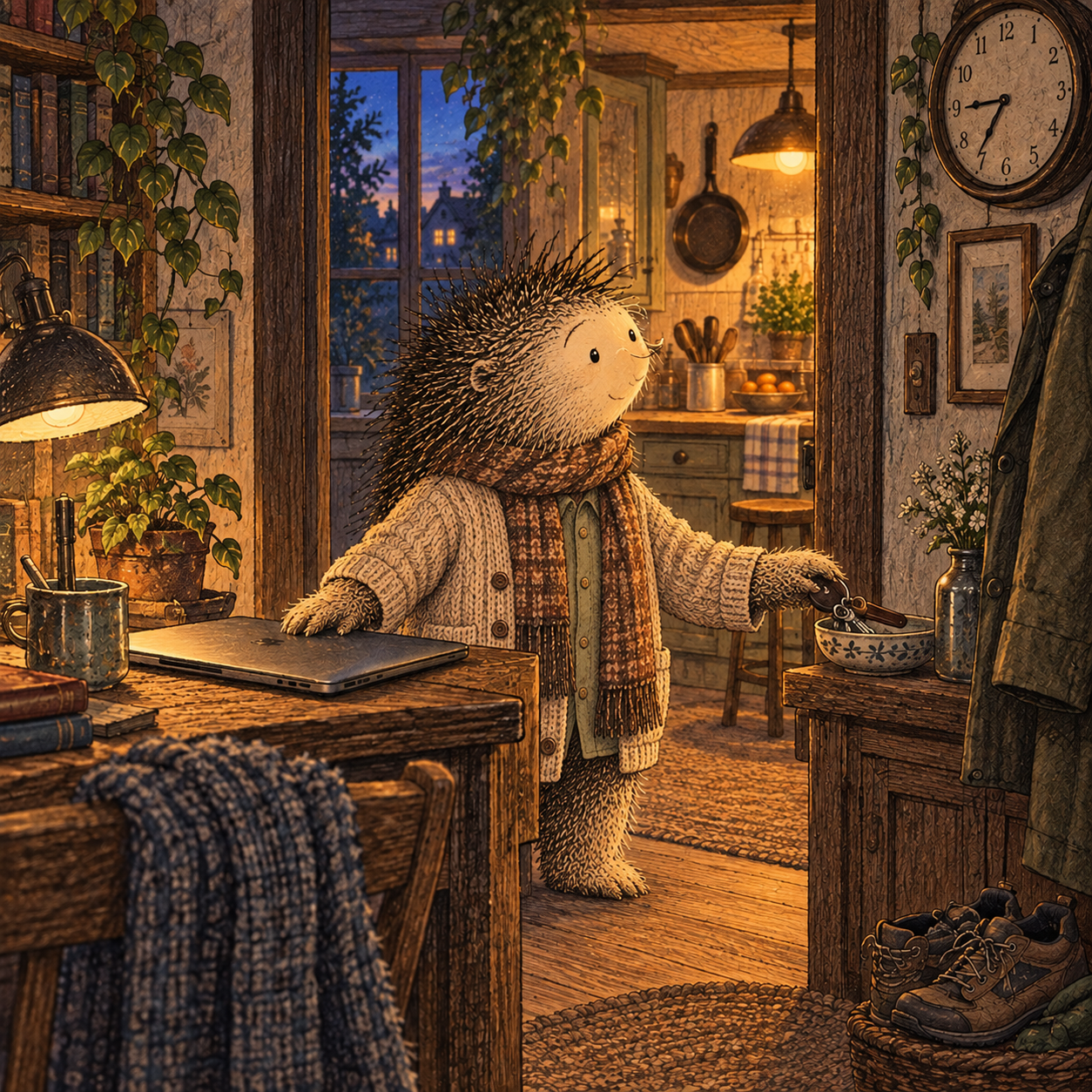
A drinking decision often begins before the thought “I’m going to have a drink.” It can start when you shut the laptop. When you pull into the driveway. When the kids finally settle down. When you start cooking. When a certain friend texts.
By the time the glass is in your hand, several small steps may already have happened: a familiar time, a familiar feeling, a familiar route through the kitchen, a familiar expectation of what comes next. Because the sequence is well-practiced, it can feel less like choosing and more like continuing.
Today we are moving backward through that chain. The goal is to find the earliest moment where the pattern becomes easier to predict. That spot is often much more useful than trying to win a debate with yourself after the urge is fully awake.

Why We Chose This For You
Loading your personalized notes…
THE DECISION CAN START BEFORE YOU NOTICE IT
You may be closing the laptop, starting dinner or hearing the house go quiet when the thought appears. It feels sudden, but the setting may have been preparing it for several minutes.
UNDER THE HOOD
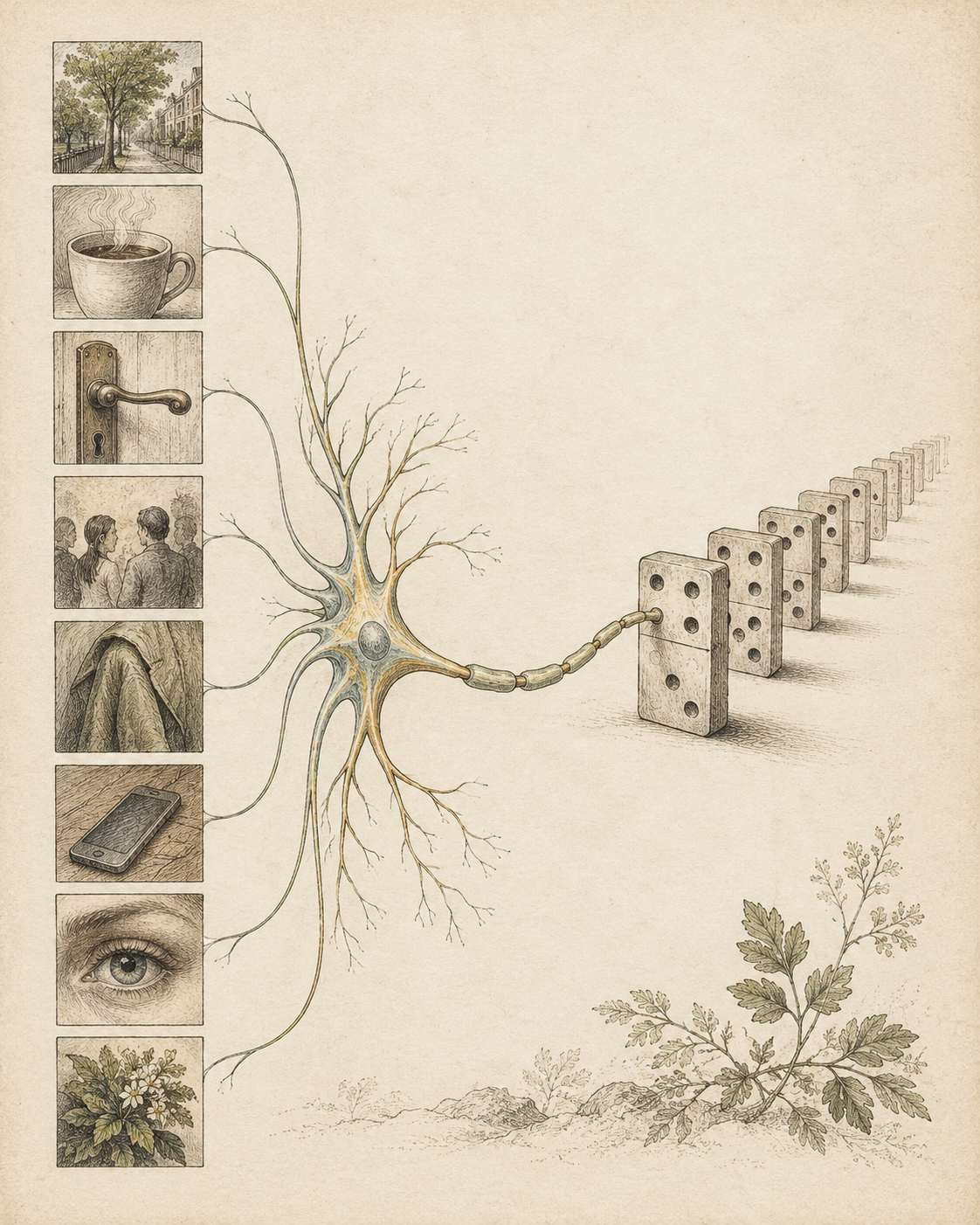
The brain is a prediction engine. When a cue has repeatedly been followed by a rewarding outcome, the cue itself can begin to create anticipation. Attention narrows toward the expected reward and the next step becomes easier to launch.
That is why an urge can appear to come from nowhere even when it is highly patterned. The conscious thought may be late to the party. Your nervous system has already recognized the setting.
Changing the cue-response relationship repeatedly is how a different pathway becomes familiar. You are not deleting a memory; you are giving the brain another well-rehearsed answer.
Why Earlier Beats Stronger
Willpower is expensive when you wait until the whole routine is in motion. If you know that 5:30 in the kitchen is the danger zone, you can change the scene before the negotiation starts: eat earlier, go outside, call someone on the drive home, make a different drink first, or stay out of the usual room for twenty minutes.
Those moves can look almost too simple. That is their strength. They reduce the number of decisions you have to make while the old pattern is loud.

A Note For You
Loading your personalized notes…

Recent Slip Insight
Add a Title
ONE BENEFIT TO WATCH FOR
Awareness
See the First Domino
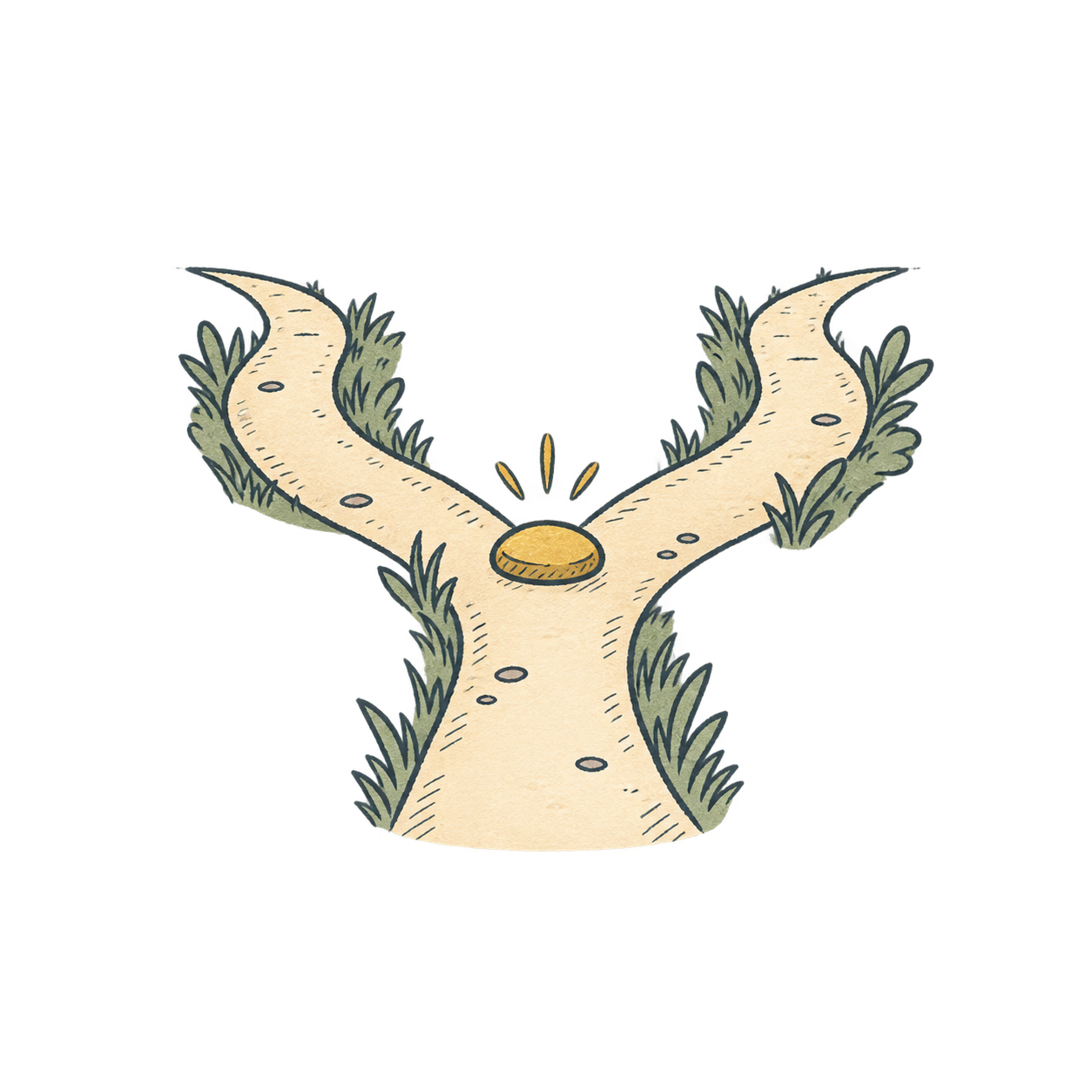
The advantage is an earlier decision point. Spot the first reliable cue and you get choices before the routine has gathered momentum.
Why Earlier Beats Stronger
Willpower is expensive when you wait until the whole routine is in motion. If you know that 5:30 in the kitchen is the danger zone, you can change the scene before the negotiation starts: eat earlier, go outside, call someone on the drive home, make a different drink first, or stay out of the usual room for twenty minutes.
Those moves can look almost too simple. That is their strength. They reduce the number of decisions you have to make while the old pattern is loud.

WHAT PEOPLE DON'T TELL YOU
The cue is often ordinary.
It may be a clock, room, glass, person or tiny pause between work and dinner. Ordinary cues are easy to miss because they look harmless.
ONE BENEFIT TO WATCH FOR

“You do not have to fight the whole habit at once. Catch the first domino.”
YOUR RESET

Your Version of Today's Experiment
Loading your personalized notes…

What to Take Away
Add a Title

Today's Experiment
Catch the Moment Before the Habit
When drinking sounds good, rewind ten minutes. Note the place, time, feeling and action immediately before the thought.


Notice
Notice what was happening immediately before the thought of drinking showed up.


Name It
Name the likely cue: time, place, stress, boredom, reward, people, food, routine or transition.

Catch the Loop Before the Glass
Identify one repeatable cue and one point where you could interrupt the sequence tomorrow.
You found part of the runway. Next time, you may see the thought coming sooner.


Change One Thing
Change one small part of the sequence and see whether the urge feels different.

5–10 Minutes

What to Watch For
Loading your personalized notes…
WANT TO GO DEEPER?
Why Habits Can Feel Like They Happen Before You Decide
Habits are often attached to contexts, not just to substances.
One reason habits can be confusing is that they are not equally strong everywhere. A person may rarely think about alcohol at lunch yet feel an immediate pull on the back patio at 7 PM. That difference is useful information. It means the environment is helping carry the behavior.
Context includes more than location. It can include lighting, music, a particular chair, who is present, what task just ended, even the glass you usually use. You do not have to redesign your entire life. Sometimes changing one reliable cue is enough to create a pause.
Also notice what remains after the cue is changed. If the urge disappears, the environment was doing a lot of work. If it follows you, the payoff may be more important than the setting. Either result teaches you something different.
The Urge Often Has a Runway
A drinking habit usually has a beginning.
The cue can happen before conscious wanting. Seeing it creates space before the usual response.


A Gentle Warning
Loading your personalized notes…
BEFORE YOU GO

What happened in the ten minutes before drinking sounded good?
Include boring details. The clue may be the laptop closing, dinner starting or someone leaving the room.

ONE THING TO TAKE WITH YOU
Change the Earliest Reliable Link
The first useful intervention may happen before the craving—not during its loudest moment.

Stress, Anxiety & the Nervous System
Tomorrow we look at one of the biggest jobs alcohol can take on: changing how you feel. We’ll separate real short-term relief from what can happen to stress, sleep and uneasiness afterward.