top of page
.png)

Day 304 of 365
Your Personal Early-Warning System
The old behavior should not have to be the first sign that the system has been under strain.

15
minutes
Deep Dive Optional
DAY 304

Catch the Drift Before the Headline
Check whether a familiar warning appeared before things became difficult. Refine the response to that signal while the sequence is clear.
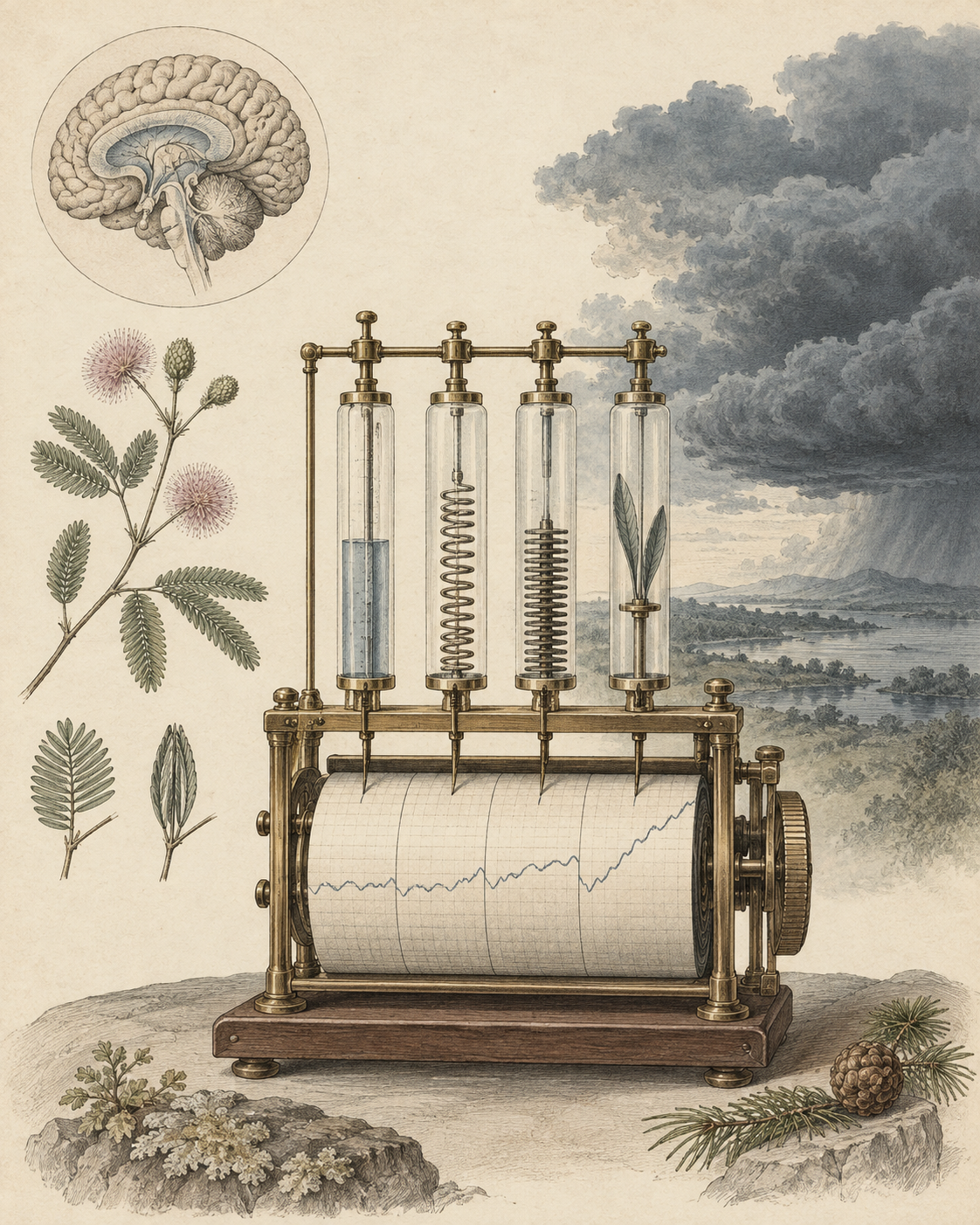
BY THE TIME THE URGE FEELS LOUD, THE EARLY SIGNALS MAY ALREADY BE OLD NEWS
Your System Usually Whispers Before It Shouts
Monday: poor sleep. Tuesday: skipped lunch. Wednesday: canceled the walk. Thursday: stayed late. Friday: why do I suddenly want immediate relief? Maybe Friday was not sudden.

Why We Chose This For You
Loading your personalized notes…
EARLY SIGNALS ARE EASY TO DISMISS BECAUSE EACH ONE LOOKS SMALL
That is why combinations matter. One short night is life. Four early signals arriving together may deserve a support upgrade.
LEADING INDICATORS APPEAR BEFORE THE OUTCOME YOU CARE ABOUT
Early behavioral and contextual changes can sometimes provide advance information about rising strain before a more obvious lagging outcome occurs.
WHY THIS MATTERS
Earlier signals can create a longer intervention window than waiting for a high-intensity urge or unwanted behavior to appear.

A Note For You
Loading your personalized notes…

Recent Slip Insight
Add a Title
ONE BENEFIT TO WATCH FOR

An Early-Warning System Gives You More Options Because You Are Intervening While the Problem Is Still Small
Eat. Sleep. Cancel. Ask. Walk. Simplify. Increase support. Small moves work better when there is still room to make them.
WHY THIS MATTERS
Earlier signals can create a longer intervention window than waiting for a high-intensity urge or unwanted behavior to appear.

WHAT PEOPLE DON'T TELL YOU
Look for clusters and patterns.
One poor night, skipped workout or irritable afternoon is normal. Your warning system should not turn ordinary human variation into an alarm.
THE BENEFIT OF DAY 304


“The behavior you fear is often a late signal. Learn what changes first.”
Cheers Without Beers

Your Version of Today's Experiment
Loading your personalized notes…

What to Take Away
Add a Title

Today's Experiment
Write Your Warning Signs
Build a simple early-warning system using the signs that tend to appear before harder periods.


Name the First Changes
What tends to shift before the urge, slip, blowup or depleted week?


Choose the Upgrade Point
What combination means you should increase support rather than wait?

WHAT ARE YOU TESTING?
Can you identify drift early enough that support increases before the old behavior becomes the first obvious evidence that something is wrong?


Attach the Response
What are the first two or three actions you take when the warning system activates?

20 Minutes

What to Watch For
Loading your personalized notes…
WANT TO GO DEEPER?
Leading Versus Lagging Indicators
The outcome is easy to measure. The early conditions may be more useful.
A lagging indicator tells you what already happened. A leading indicator may give you time to affect what happens next. Strong personalization learns both.
Build the Early-Warning System
Learn what changes first.
Identify your earliest signs of drift, decide what combination deserves a support upgrade and attach a simple response.


A Gentle Warning
Loading your personalized notes…
BEFORE YOU GO

What tends to change first when you are heading toward a harder stretch?
Sleep, food, movement, patience, isolation, schedule, phone use, work hours, home environment or something else.

TODAY'S TAKEAWAY
Catch the Whisper
Do not wait for the loudest behavior to tell you the system needs more support.

Operate With Less Supervision
Tomorrow we ask how much active tracking and prompting you still need—and what it looks like when the system starts running quietly in the background.


bottom of page