top of page
.png)
Day 302 of 365
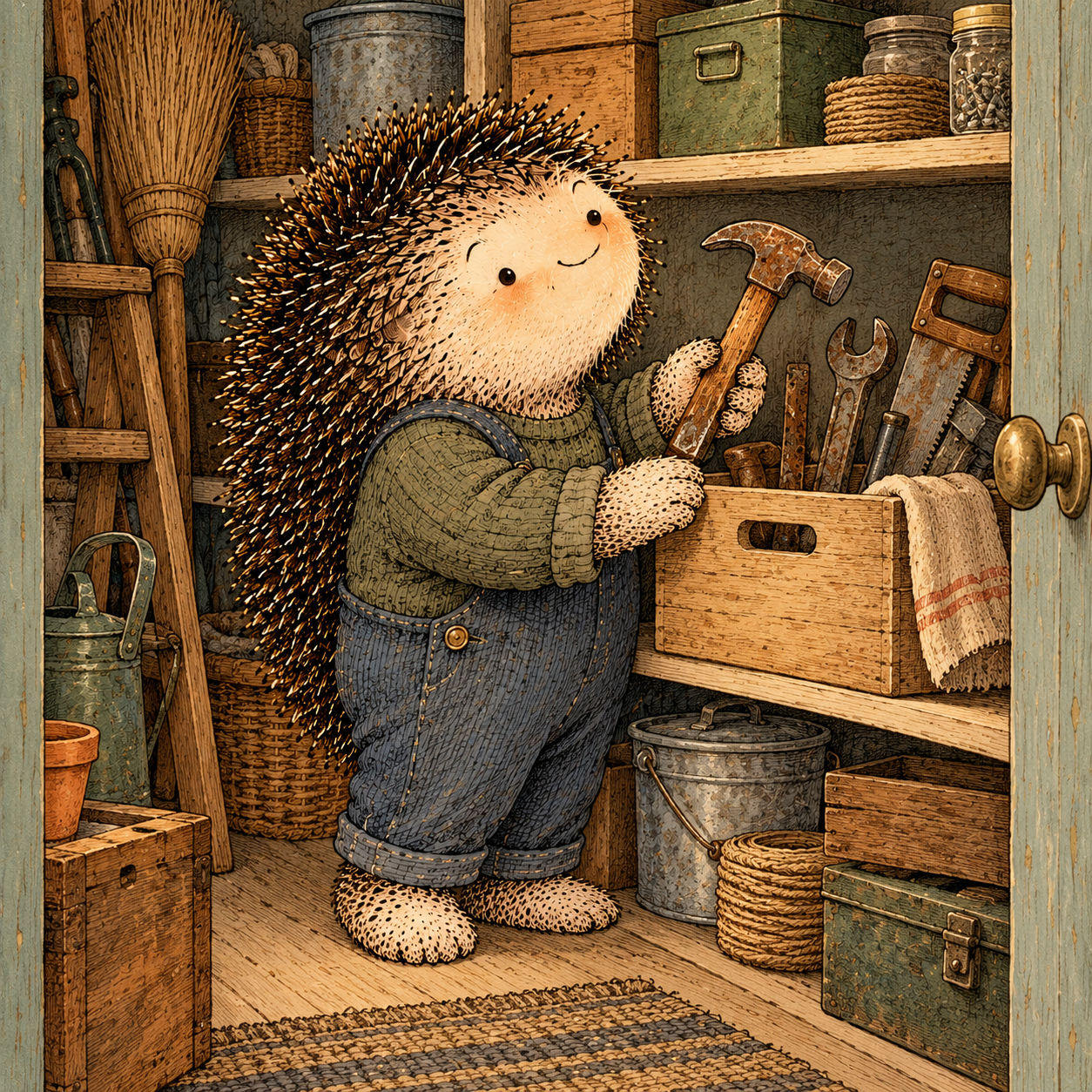
Retire the Tools You No Longer Need
A tool can be excellent and still belong to an earlier phase of the work.

15
minutes
Deep Dive Optional
DAY 302

You Do Not Need to Carry the Whole Toolbox Forever
An unused tool doesn't need keeping for appearances. Restore support where it helps, rather than bringing back every routine after a setback.
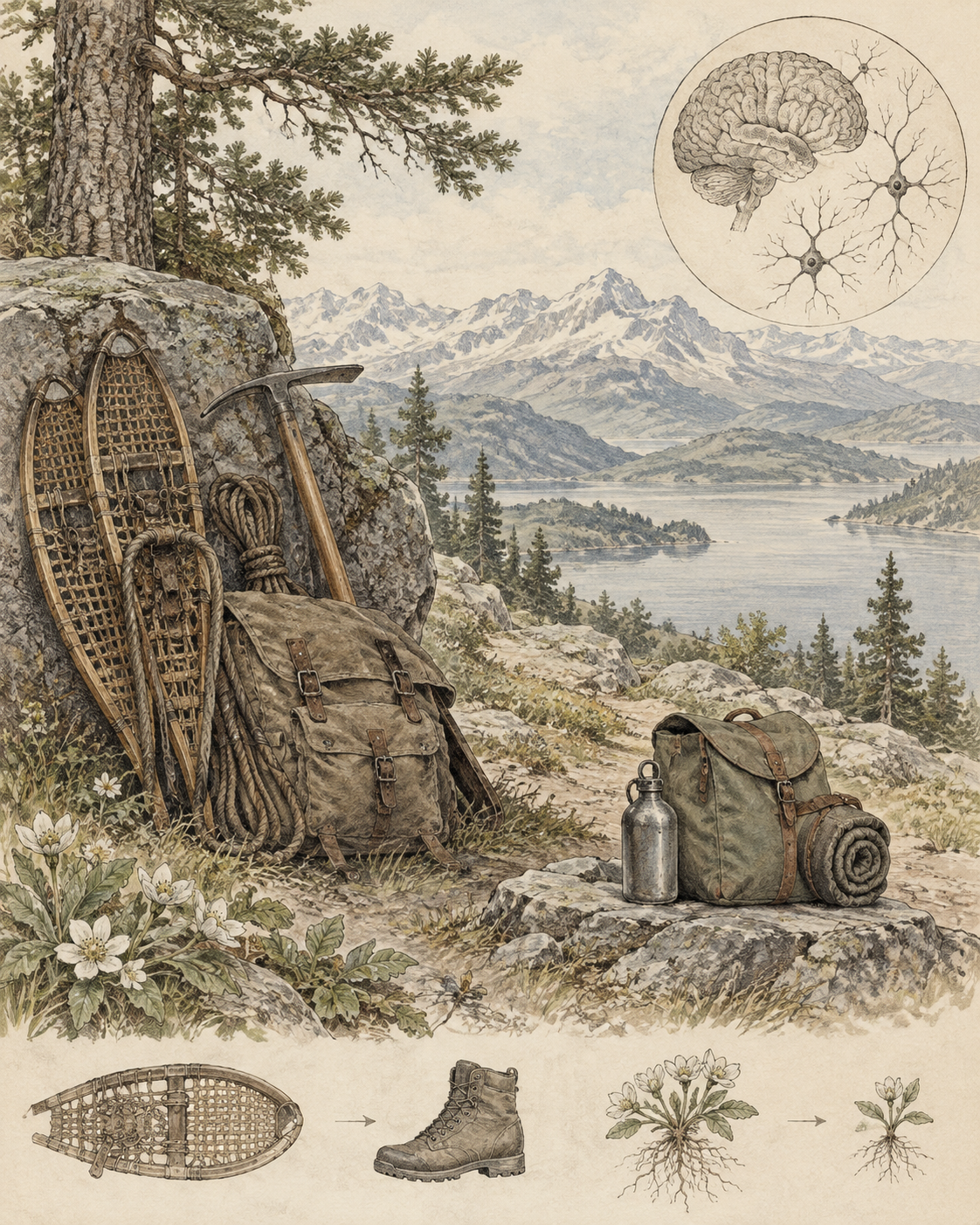
SOMETIMES YOU DO NOT NOTICE A TOOL BECAME OPTIONAL
You Keep Carrying It Because It Was Once Important
You still prepare for the event like it is Month 1. Then halfway there you realize: I have done this ten times. The preparation helped create the evidence that now allows less preparation.

Why We Chose This For You
Loading your personalized notes…
LESS SUPPORT CAN FEEL LIKE TEMPTING FATE
Retire low-risk tools gradually. Keep easy access to anything cheap, useful and protective. This is an experiment in fit—not a bravery contest.
SUPPORT NEEDS CAN CHANGE AS SKILLS AND CONTEXTS BECOME MORE FAMILIAR
Repeated successful experience can reduce the amount of deliberate preparation needed in some situations. Support can be adjusted based on current evidence.
WHY THIS MATTERS
Reducing unnecessary support can lower cognitive load and provide updated evidence about which behaviors have become stable enough to require less active management.

A Note For You
Loading your personalized notes…

Recent Slip Insight
Add a Title
ONE BENEFIT TO WATCH FOR

Retiring Unnecessary Support Frees Attention and Lets Confidence Become More Ordinary
You stop treating every familiar situation like a high-risk event requiring a full protocol.
WHY THIS MATTERS
Reducing unnecessary support can lower cognitive load and provide updated evidence about which behaviors have become stable enough to require less active management.

WHAT PEOPLE DON'T TELL YOU
Put the tool back when conditions change.
Hard month. Travel. Loss. Old environment. New stress. A retired tool can return without meaning you went backward.
THE BENEFIT OF DAY 302


“A useful tool does not have to remain necessary forever to prove it worked.”
Cheers Without Beers

Your Version of Today's Experiment
Loading your personalized notes…

What to Take Away
Add a Title

Today's Experiment
Retire One Piece of Scaffolding
Choose one support you suspect you no longer need at full strength and test a lighter version in a familiar low-risk context.


Choose the Tool
Tracking, planning, script, substitute, reminder, route change or another support.


Reduce, Don't Erase
Use a lighter version rather than removing every support at once.

WHAT ARE YOU TESTING?
Can support intensity decrease where repeated evidence suggests the old level of protection may no longer be necessary?


Review the Evidence
Did the situation remain stable? If not, restore the support without drama.

One Low-Risk Situation

What to Watch For
Loading your personalized notes…
WANT TO GO DEEPER?
Fading Support
A strong system can gradually transfer more control back to the person.
In many learning contexts, support is reduced as competence grows. The same principle fits behavior change: provide enough support to succeed, then test whether less is now sufficient.
Test a Lighter Version of One Old Tool
Retire what finished its job.
Reduce one low-risk support, observe what happens and restore it if the evidence says it still earns its place.


A Gentle Warning
Loading your personalized notes…
BEFORE YOU GO

Which tool or precaution still feels important mostly because it was important months ago?
What evidence would tell you it can become lighter now?

TODAY'S TAKEAWAY
Support Can Finish Its Job
Keep what helps. Retire what no longer does. Progress should eventually reduce some of the machinery around progress.

Keep the Tools That Earned Their Place
Tomorrow we do the opposite: identify the few strategies that have repeatedly proven useful enough to become permanent parts of your life.


bottom of page