top of page
.png)

Day 294 of 365
Your Calendar Is an Environment Too
Your schedule does not just record what you plan to do. It creates the conditions in which tomorrow's choices will happen.

15
minutes
Deep Dive Optional
DAY 294

Time Has Architecture
Look at the day before the difficult hour. The calendar may need an adjustment as much as the immediate response does.
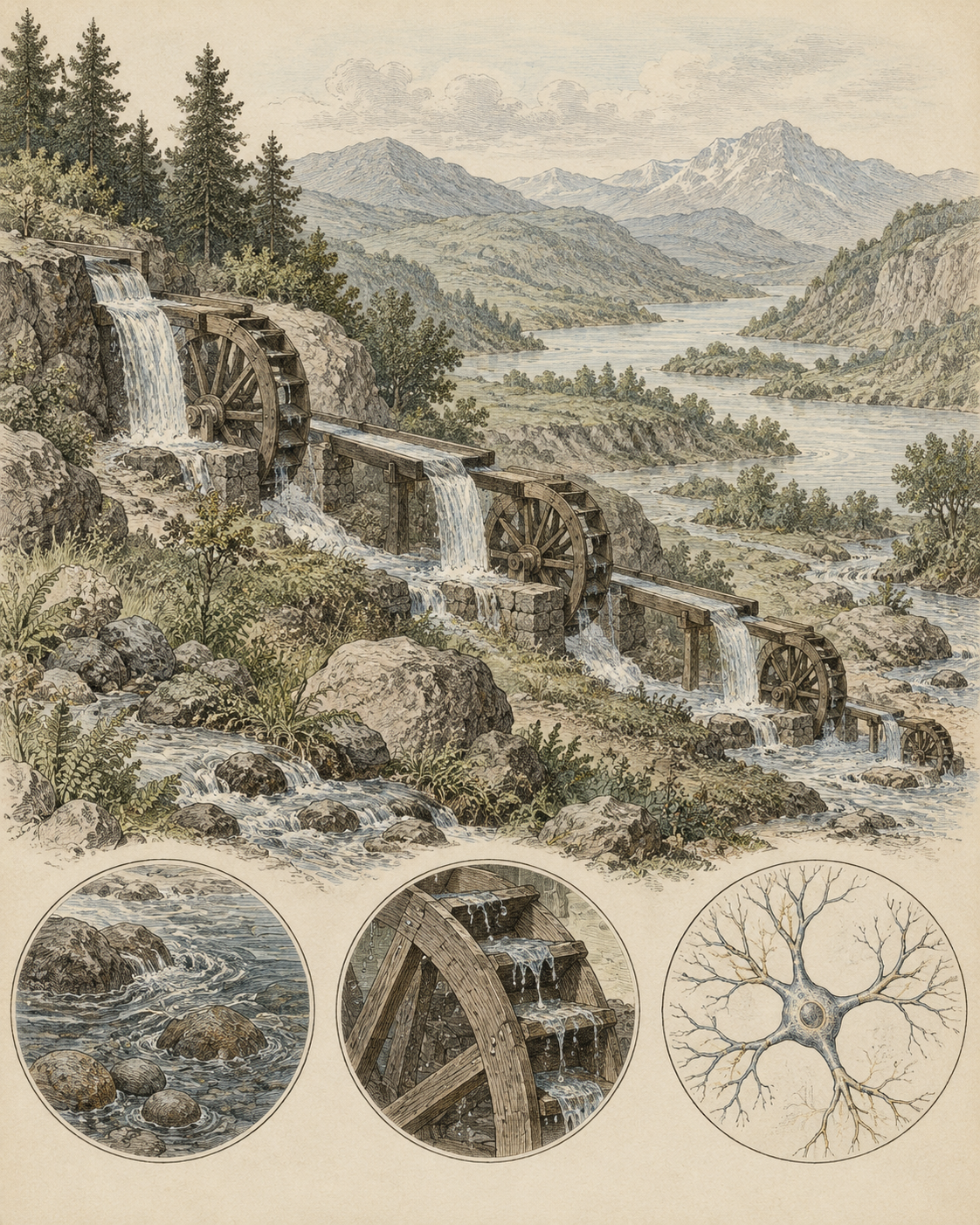
THE 8 P.M. CHOICE STARTED FORMING AT 8 A.M.
Not Because the Outcome Was Predetermined—Because the Day Changed the Conditions
By evening you are:
hungry,
late,
overstimulated,
behind,
and tired of deciding.
Then the old fast-reward option appears.
It is easy to call that a willpower problem.
But the calendar has been loading the dice all day.

Why We Chose This For You
Loading your personalized notes…
THIS CAN SOUND LIKE AN ARGUMENT FOR DOING LESS
Sometimes it is. Often it is an argument for sequencing better, adding margin, or acknowledging the true cost of commitments instead of pretending every hour arrives fresh.
TIME STRUCTURE SHAPES CAPACITY
Back-to-back demands can increase fatigue, time pressure and switching costs. Those conditions can influence later decisions even when the later choice is unrelated to the earlier tasks.
WHY THIS MATTERS
Time pressure, task switching and accumulated demand can reduce available cognitive and emotional capacity later in the day.

A Note For You
Loading your personalized notes…

Recent Slip Insight
Add a Title
ONE BENEFIT TO WATCH FOR

Reading the Calendar as an Environment Helps You Fix Upstream Conditions Instead of Repeatedly Fighting Downstream Behavior
You may discover the evening is not the real problem. The schedule delivered you to the evening with almost nothing left.
WHY THIS MATTERS
Time pressure, task switching and accumulated demand can reduce available cognitive and emotional capacity later in the day.

WHAT PEOPLE DON'T TELL YOU
The calendar cannot always be softened.
Deadlines happen. Kids have schedules. Travel days exist. On those days, the useful move may be preparing stronger supports rather than pretending the load can disappear.
THE BENEFIT OF DAY 294


“Your calendar is not just where the day happens. It helps decide what version of you reaches the end of it.”
Cheers Without Beers

Your Version of Today's Experiment
Loading your personalized notes…

What to Take Away
Add a Title

Today's Experiment
Read Tomorrow as an Environment
Look at tomorrow's calendar and predict the behavioral conditions it is likely to create.


Find the Load
Where are the dense, demanding or highly social stretches?


Predict the State
Where are you likely to be hungry, rushed, depleted, overstimulated or relieved?

WHAT ARE YOU TESTING?
Can tomorrow's difficult choices become easier by changing the schedule conditions that create them?


Change One Upstream Condition
Add food, margin, transition, support or a simpler expectation before the predictable weak point arrives.

15 Minutes

What to Watch For
Loading your personalized notes…
WANT TO GO DEEPER?
Temporal Choice Architecture
Time structure influences the state in which choices are made.
Behavioral design usually makes us think about objects and rooms. But calendars also organize exposure, fatigue, transitions and opportunity. Scheduling is environmental design across time.
Treat the Calendar Like an Environment
Read the schedule upstream.
Look at tomorrow's commitments, predict where capacity will drop and change one condition before the difficult moment arrives.


A Gentle Warning
Loading your personalized notes…
BEFORE YOU GO

Which part of your weekly calendar most consistently creates the version of you that wants immediate relief?
Late workdays, kids' schedules, travel, social overload, back-to-back meetings or something else.

TODAY'S TAKEAWAY
The Choice Starts Before the Choice
Design the hours leading into difficult moments instead of treating the final decision as if it appeared in isolation.

Overpacked Days Create Predictable Weak Points
Tomorrow we identify the specific moments where a full schedule repeatedly tips into rushed, depleted or relief-seeking behavior.


bottom of page