.png)

Day 24 of 365
People Around You
Changing your drinking can change a familiar social script. You can protect your choice without making everyone around you the villain.

15
minutes
Deep Dive Optional
RESET SUPPORT

If Someone Made Your Choice Harder
Other people's reactions can make a hard moment harder. Find someone who can listen without turning your experience into an argument.
OTHER PEOPLE LEARN YOUR PATTERNS TOO
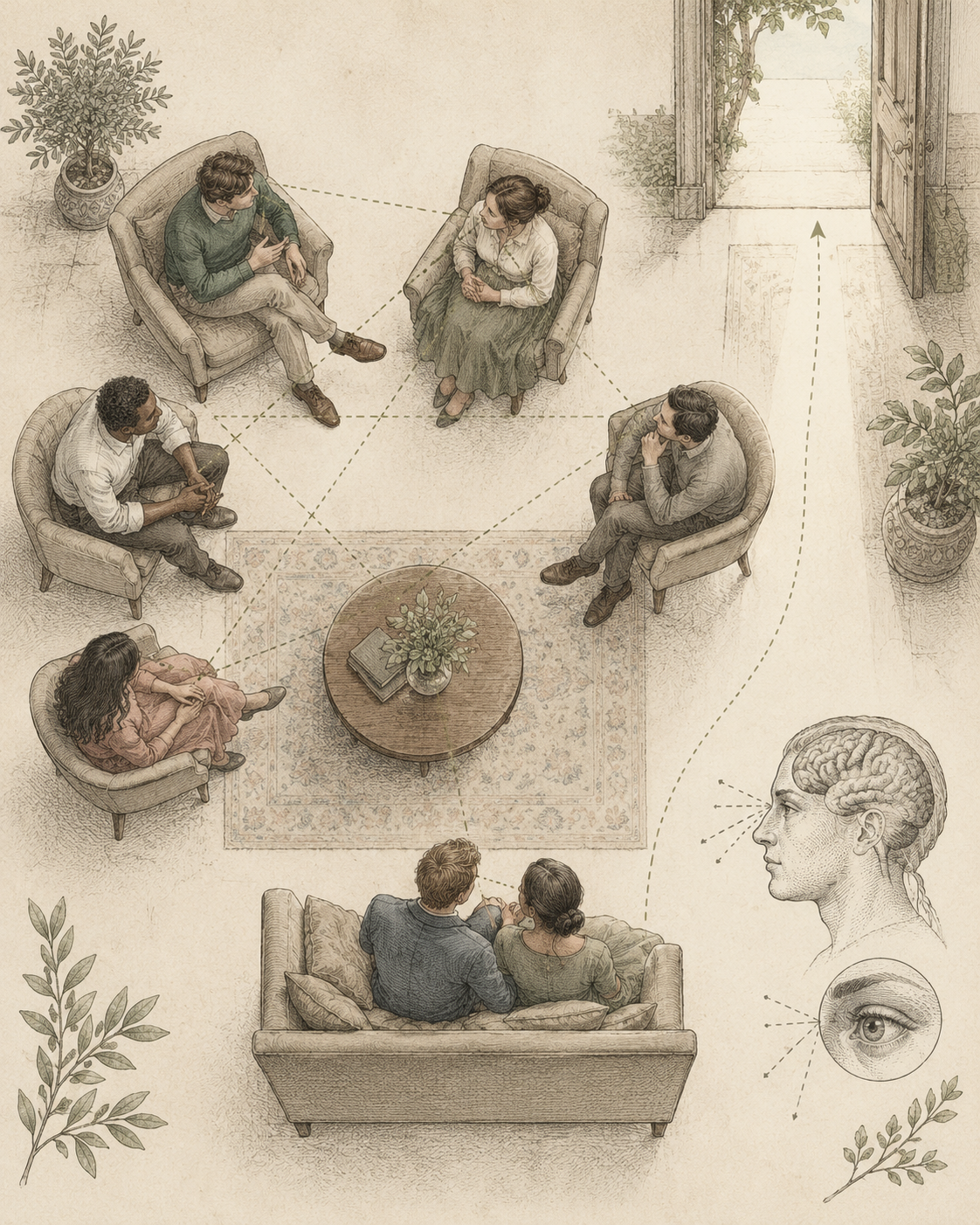
Your Drinking Was Never Entirely Private
The people around you learned your old script too.
Your partner knew what you ordered. Your friends knew whether you were in for another round. Your family knew which bottle to bring. Coworkers knew happy hour was an easy yes.
Then you change one part of the script.
Some people update instantly. Some ask questions because they care. Some tease because they do not know what else to do. Some keep offering because they have not caught up yet. And occasionally, someone seems genuinely bothered by a choice that is not theirs.
You do not need to solve their psychology.
You need enough clarity that their reaction does not get to make your decision for you.

Why We Chose This For You
Loading your personalized notes…
PUSHBACK CAN FEEL STRANGELY PERSONAL
A small comment can hit harder when you are already uncertain.
“Come on, one won’t hurt.”
“You’re still doing that?”
“So are you never drinking again?”
Suddenly Day 24 feels like a referendum on the rest of your life.
Shrink the question back down.
You only need to protect the choice you are making now. You can love the person and still decline the drink, the bar, the late night, or the conversation about why.
GROUP NORMS SHAPE WHAT FEELS NORMAL
Humans take social cues constantly.
We look around to understand what belongs in a situation. In a group that has repeated the same drinking pattern for years, one person changing can make the old norm suddenly visible.
That can create friction without anyone consciously intending it.
Planning a short line, choosing an ally, and having an exit reduces the number of decisions you have to make while that social pressure is happening.
WHY THIS MATTERS
Social energy is limited.
The less of it you spend defending what is in your glass, the more you have for the person, the conversation, and the reason you showed up.

A Note For You
Loading your personalized notes…

Recent Slip Insight
Add a Title
ONE BENEFIT TO WATCH FOR
Clearer Boundaries
Your Choice Needs Less Explanation
Each simple boundary makes the next one less novel.
The people around you learn the new script. You learn you can say the sentence and survive the five seconds afterward.
Eventually, there is less explaining and more room for the actual relationship.
WHY THIS MATTERS
Social energy is limited.
The less of it you spend defending what is in your glass, the more you have for the person, the conversation, and the reason you showed up.

WHAT PEOPLE DON'T TELL YOU
One person who gets it can change the whole night.
You do not need a committee.
One friend who changes the subject. A partner who stops offering. Somebody willing to leave with you. A host who has something alcohol-free ready.
Tell that person exactly what would help.
Support is often much easier to give when it is concrete.
ONE BENEFIT TO WATCH FOR
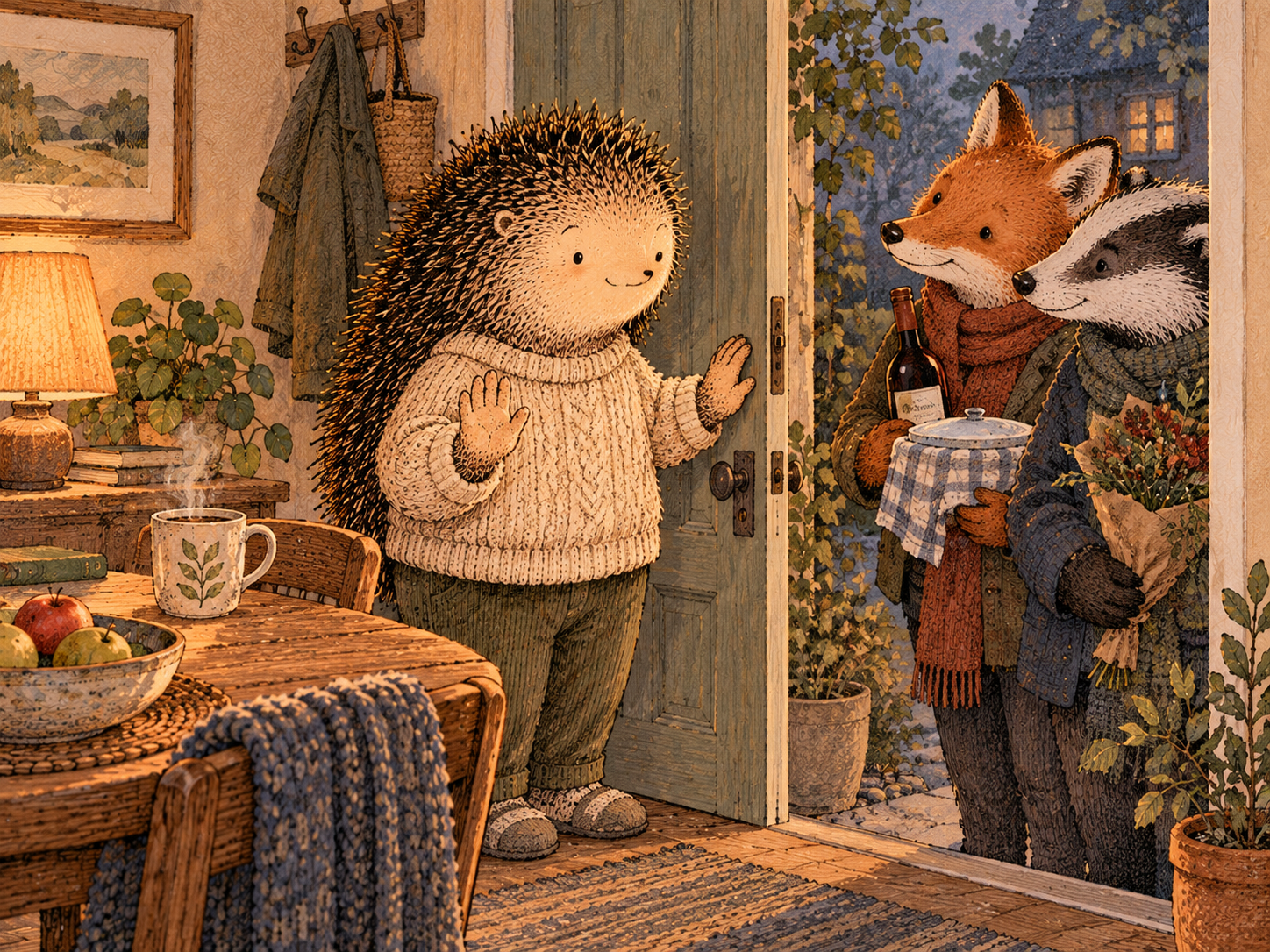

“A boundary can be kind, short and complete.”
Cheers Without Beers

Your Version of Today's Experiment
Loading your personalized notes…

What to Take Away
Add a Title

Today's Experiment
Build Your Boundary Script
Prepare the words before you need them, then make the social moment about the relationship—not the beverage.


Choose Your Hardest Person or Setting
Name the person or group most likely to make your choice feel awkward.


Write Two Sentences
Create one casual line and one firmer repeat. Example: “I’m good tonight.” Then: “Seriously, I’m good—let’s talk about something else.”

WHAT YOU ARE TESTING
Can you protect your choice without turning the other person into an enemy—or yourself into a lawyer?
If your boundary was clear enough that you did not have to invent it in the moment, keep it. The best script is usually the one you can actually say.


Add an Exit or Ally
Decide who you can text, where you can move, or when you will leave if the pressure keeps going.

10–20 Minutes

What to Watch For
Loading your personalized notes…
WANT TO GO DEEPER?
Why Other People Sometimes React
Their reaction may be about habit, uncertainty, belonging—or themselves.
It is tempting to interpret every awkward reaction as sabotage.
Sometimes it is. Often it is simpler.
People repeat familiar habits. They worry the relationship will change. They do not know whether they are supposed to ask about it. Your choice may make them briefly think about their own drinking, which can feel uncomfortable.
You do not need a diagnosis of the other person to know what to do.
Respond to behavior.
Curiosity can get an answer if you want to give one. Support gets trust. Repeated pressure gets a firmer boundary. A person who will not respect the boundary may require more distance in that setting.
That keeps your attention where it belongs: on what you need, not on guessing their motives.
Keep the Boundary Behavioral
Short, calm, repeatable.
Say what you are doing. Repeat if needed. Exit if needed.


A Gentle Warning
Loading your personalized notes…
BEFORE YOU GO

Who makes it easiest for you to make your own decision—and who makes it hardest?
Focus on specific behaviors: offering, teasing, questioning, supporting, checking in, changing plans.

ONE THING TO TAKE WITH YOU
You Do Not Need Everyone to Understand
Support is useful. Permission is not required. Keep your boundary simple enough that you can use it when the room is loud.

What You Thought Alcohol Was Fixing
Tomorrow we return to the beginning and test the original case for alcohol against 25 days of lived evidence: what did you think it fixed—and what did it actually do?