top of page
.png)
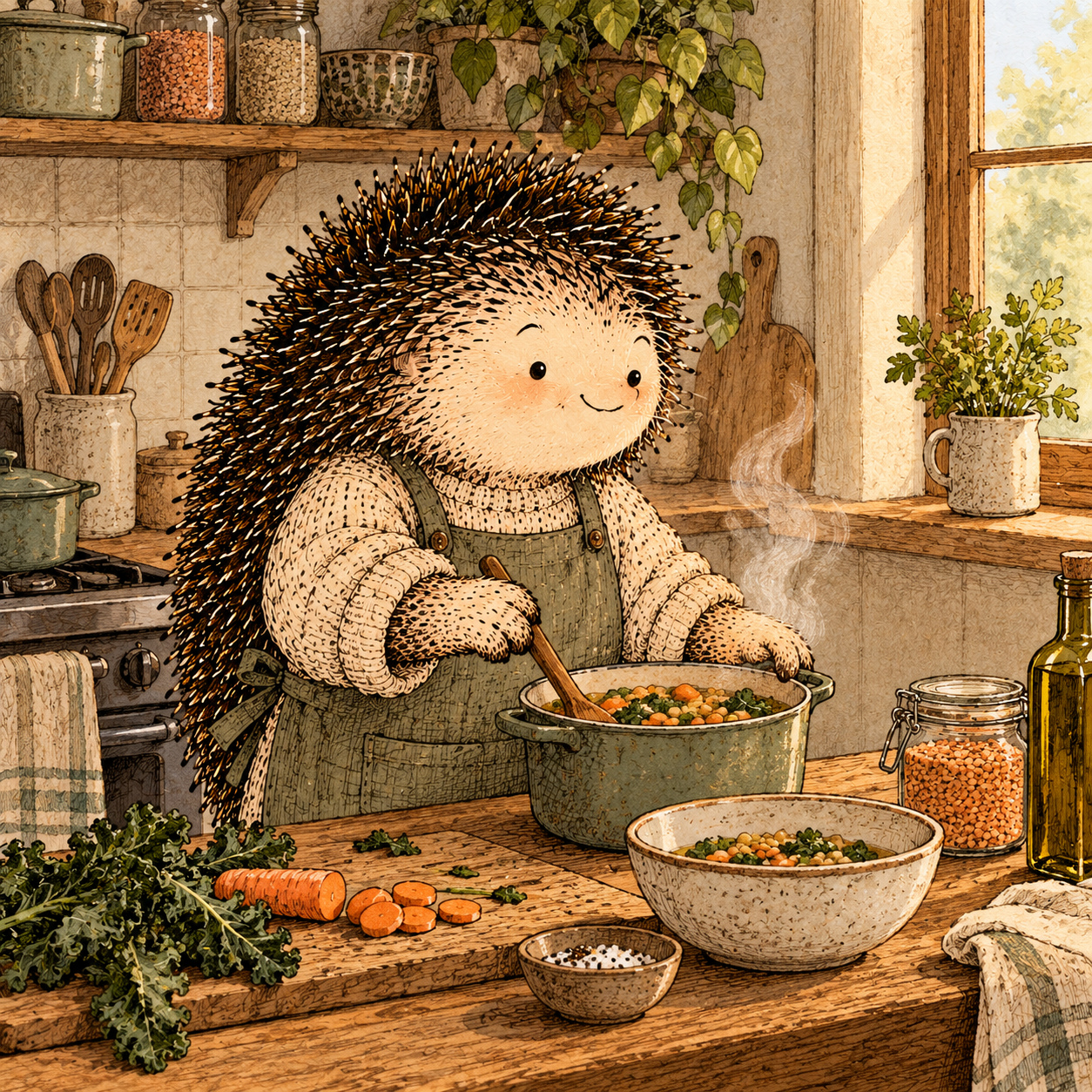
Day 223 of 365
Lower the Standard Without Losing the System
Hard periods are when all-or-nothing thinking gets expensive. The useful question is not 'Can I do the full routine?' but 'What deserves to survive?'

15
minutes
Deep Dive Optional
DAY 223

Minimum Does Not Mean Meaningless
Reduce the demands while keeping the support that matters most. A simpler routine can still be deliberate and worth protecting.
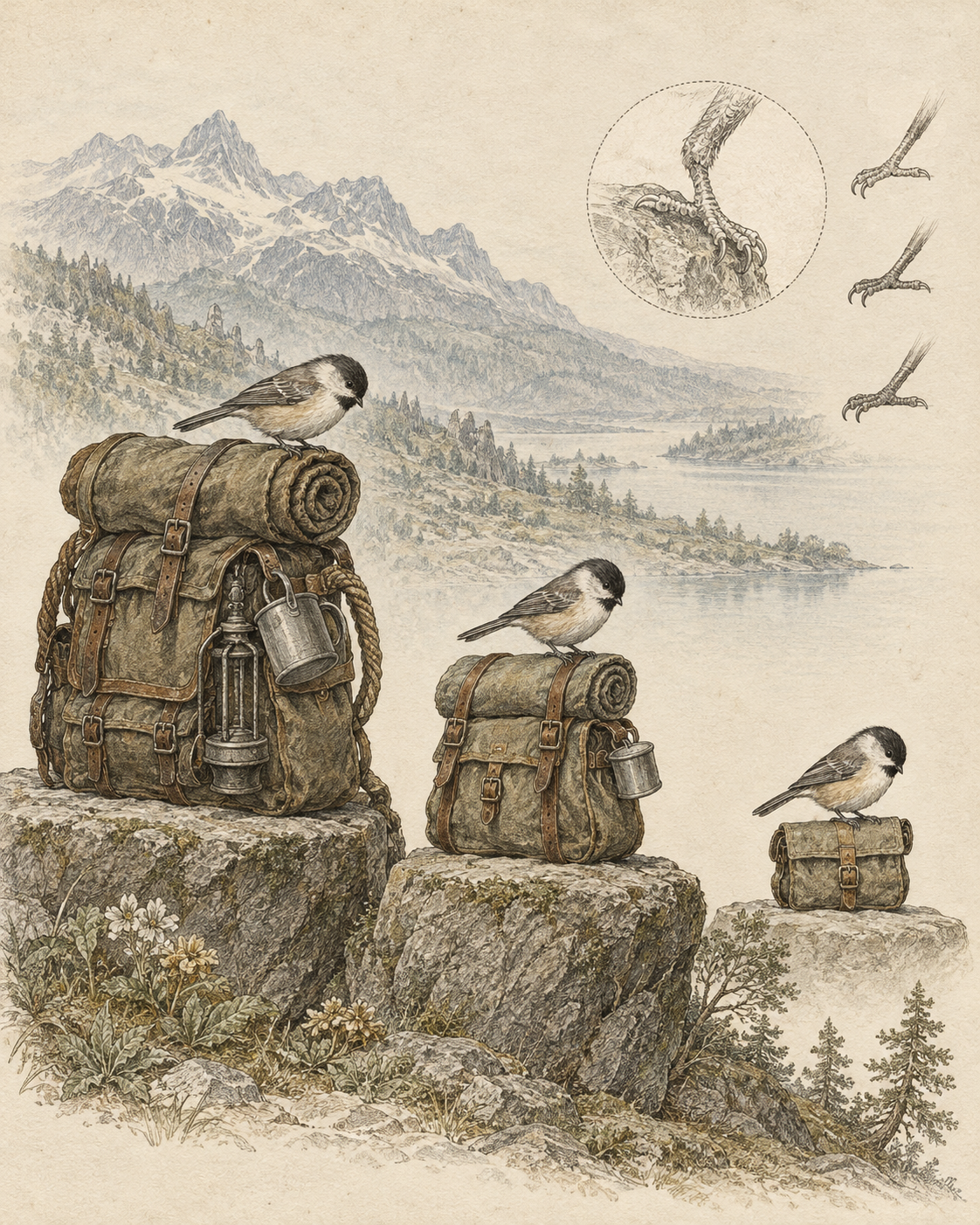
THE HARD MONTH DOES NOT NEED YOUR BEST VERSION
It Needs a Version You Can Repeat
Thirty minutes became ten.
Dinner became simple.
The house stayed messy.
You declined the plan.
You went to bed.
None of that is inspiring.
That is why it works.
The minimum version needs to survive when inspiration has absolutely nothing to do with the day.

Why We Chose This For You
Loading your personalized notes…
LOWERING THE STANDARD CAN FEEL LIKE THE BEGINNING OF GIVING UP
Especially if discipline is part of how you see yourself.
But there is a difference between:
I quit.
and:
I am deliberately protecting the highest-value pieces while capacity is reduced.
One is abandonment.
The other is triage.
BEHAVIOR IS MORE LIKELY TO CONTINUE WHEN THE REQUIRED EFFORT FITS AVAILABLE CAPACITY
As capacity drops, high-friction routines become harder to maintain.
Reducing the size or complexity of a behavior can preserve continuity.
That continuity matters because restarting a smaller routine is often easier than rebuilding from zero later.
WHY THIS MATTERS
Reducing friction and narrowing priorities during periods of low capacity can preserve behavioral continuity and make later recovery easier.

A Note For You
Loading your personalized notes…

Recent Slip Insight
Add a Title
ONE BENEFIT TO WATCH FOR
A Deliberate Minimum Protects Continuity Without Demanding Performance You Cannot Sustain
You keep:
some movement,
some structure,
some connection,
some sleep protection,
some relationship with yourself.
Not everything.
Enough.
WHY THIS MATTERS
Reducing friction and narrowing priorities during periods of low capacity can preserve behavioral continuity and make later recovery easier.

WHAT PEOPLE DON'T TELL YOU
The minimum has an exit.
When capacity returns, reassess.
Do not keep:
canceling everything,
eating whatever,
or living at minimum
simply because it became familiar.
Temporary systems need review dates too.
THE BENEFIT OF DAY 223


“The minimum is not where you plan to live. It is what keeps the floor intact while life is heavy.”
Cheers Without Beers

Your Version of Today's Experiment
Loading your personalized notes…

What to Take Away
Add a Title

Today's Experiment
Triage the Week
Sort your current routines and expectations into three temporary categories.


Choose Three Must-Keeps
What most protects your functioning, relationships or stability?


Move the Rest Down
What is useful but optional, and what can genuinely wait?

WHAT ARE YOU TESTING?
Can you lower standards strategically without turning temporary simplification into either shame or permanent disengagement?


Set a Review Point
Choose when you will reconsider whether emergency mode still fits.

15 Minutes

What to Watch For
Loading your personalized notes…
WANT TO GO DEEPER?
Behavioral Triage
Not all routines deserve equal protection under strain.
One behavior may protect several others.
Sleep can affect:
patience,
food,
movement,
and decision-making.
Connection may prevent isolation from deepening.
A basic meal may stabilize an evening.
Find the high-leverage behaviors.
Protect those first.
Must Keep, Nice to Keep, Can Wait
Protect the floor.
Choose the few routines that deserve protection during a hard stretch, let lower-value standards temporarily shrink and set a review point.


A Gentle Warning
Loading your personalized notes…
BEFORE YOU GO

If you could protect only three things during a genuinely hard month, what would they be?
Sleep, medication or health routines, meals, movement, connection, work essentials, parenting, boundaries or something else.

TODAY'S TAKEAWAY
Lower the Standard on Purpose
Protect what carries the most weight. Let the rest wait until capacity returns.

Cumulative Stress Is Different
Tomorrow we look at what happens when no single event seems terrible, but dozens of small demands keep stacking without enough recovery.


bottom of page