top of page
.png)
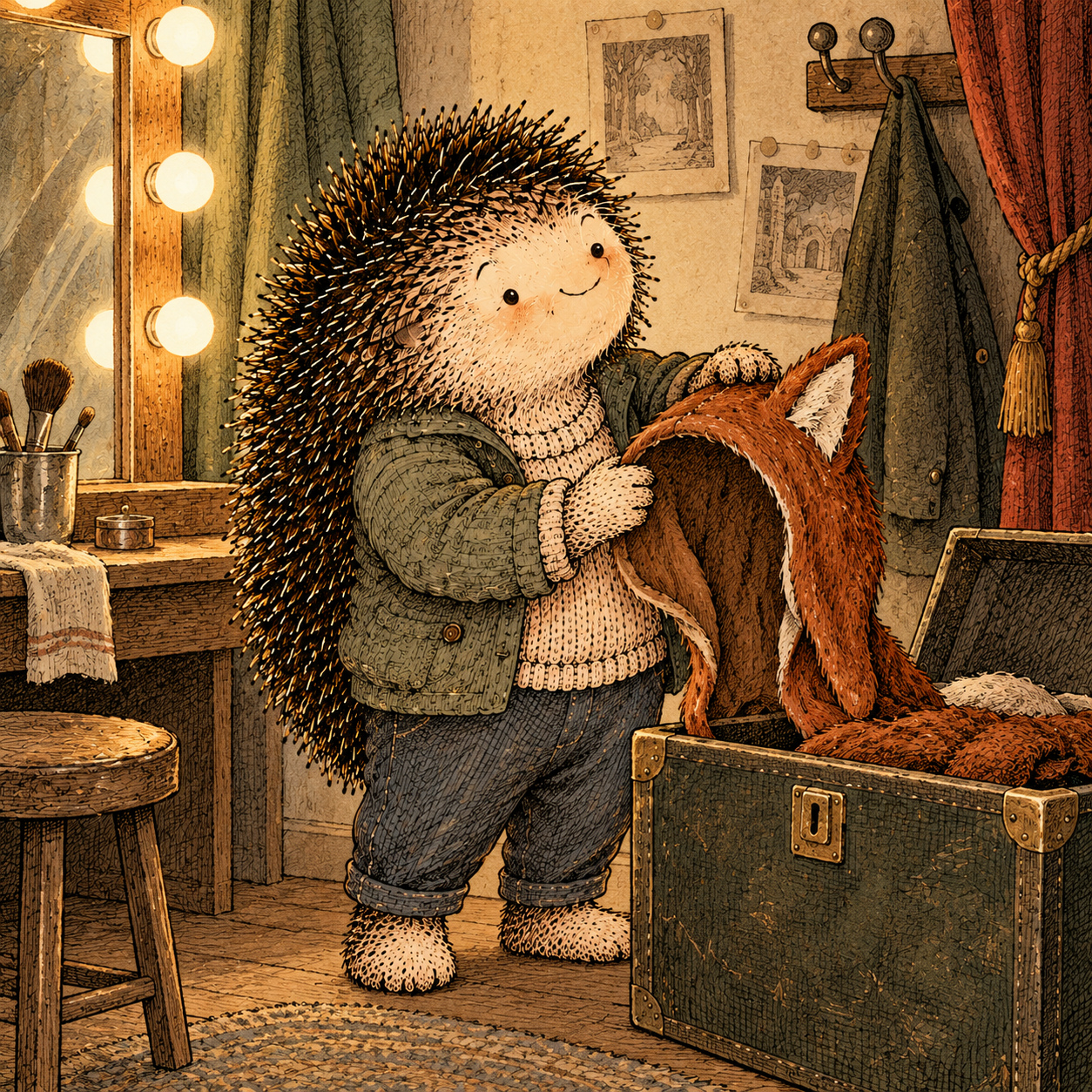
Day 205 of 365
The Role They Still Expect
Groups develop parts for people to play. Change gets interesting when everybody else still hands you the old script.

15
minutes
Deep Dive Optional
DAY 205

The Group May Still Have Your Old Job Open
If you slipped into a familiar role, identify what invited it. Decide how to show up next time without performing either an old or new version.
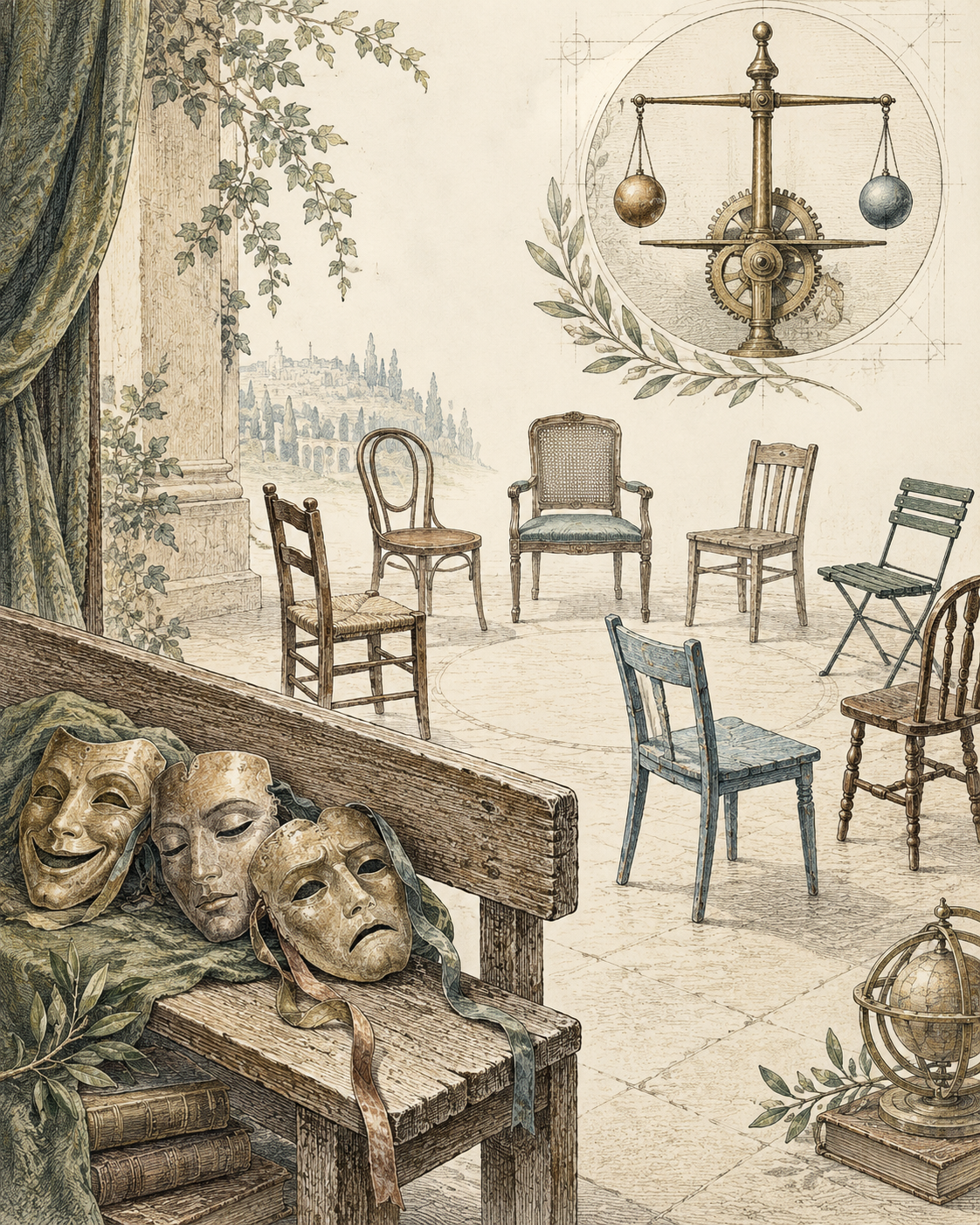
THE PRESSURE MAY ARRIVE AS EXPECTATION RATHER THAN AN OFFER
Everybody Looks at You Because You Always Did It
Who is ordering shots?
Everyone looks at you.
Who is staying out?
You.
Who is making this night more fun?
Also you.
Nobody explicitly says:
be the old version.
The role is communicated through expectation.
That subtle pressure can be harder to recognize because it feels like identity rather than persuasion.

Why We Chose This For You
Loading your personalized notes…
GIVING UP A ROLE CAN FEEL LIKE BECOMING LESS IMPORTANT
If you were the person who created the energy, stepping back can feel like:
What am I here for now?
That is a real identity question.
But belonging that requires one specific performance is fragile.
Give the group a chance to know you without the job.
GROUP ROLES REDUCE SOCIAL UNCERTAINTY
Stable roles make interaction predictable.
People learn:
who initiates,
who jokes,
who smooths conflict,
who drives the excitement.
When one person's behavior changes, the group may initially push toward the familiar equilibrium.
That does not mean the old role has to be resumed.
WHY THIS MATTERS
Long-standing groups develop predictable roles. When behavior changes, pressure can arise from the group's expectation that a familiar role will continue, not only from direct alcohol offers.

A Note For You
Loading your personalized notes…

Recent Slip Insight
Add a Title
ONE BENEFIT TO WATCH FOR
Naming the Role Helps You See Why Certain People or Settings Create More Pressure Than Others
The pressure may not be:
drink this.
It may be:
make this feel like the old nights.
Once you see that, you can solve the actual issue instead of arguing only about the beverage.
WHY THIS MATTERS
Long-standing groups develop predictable roles. When behavior changes, pressure can arise from the group's expectation that a familiar role will continue, not only from direct alcohol offers.

WHAT PEOPLE DON'T TELL YOU
Roles can evolve.
Maybe you still:
organize the night,
tell the stories,
bring the humor,
start the game,
make people feel welcome.
The useful part of the role may survive.
The old behavior does not have to.
THE BENEFIT OF DAY 205
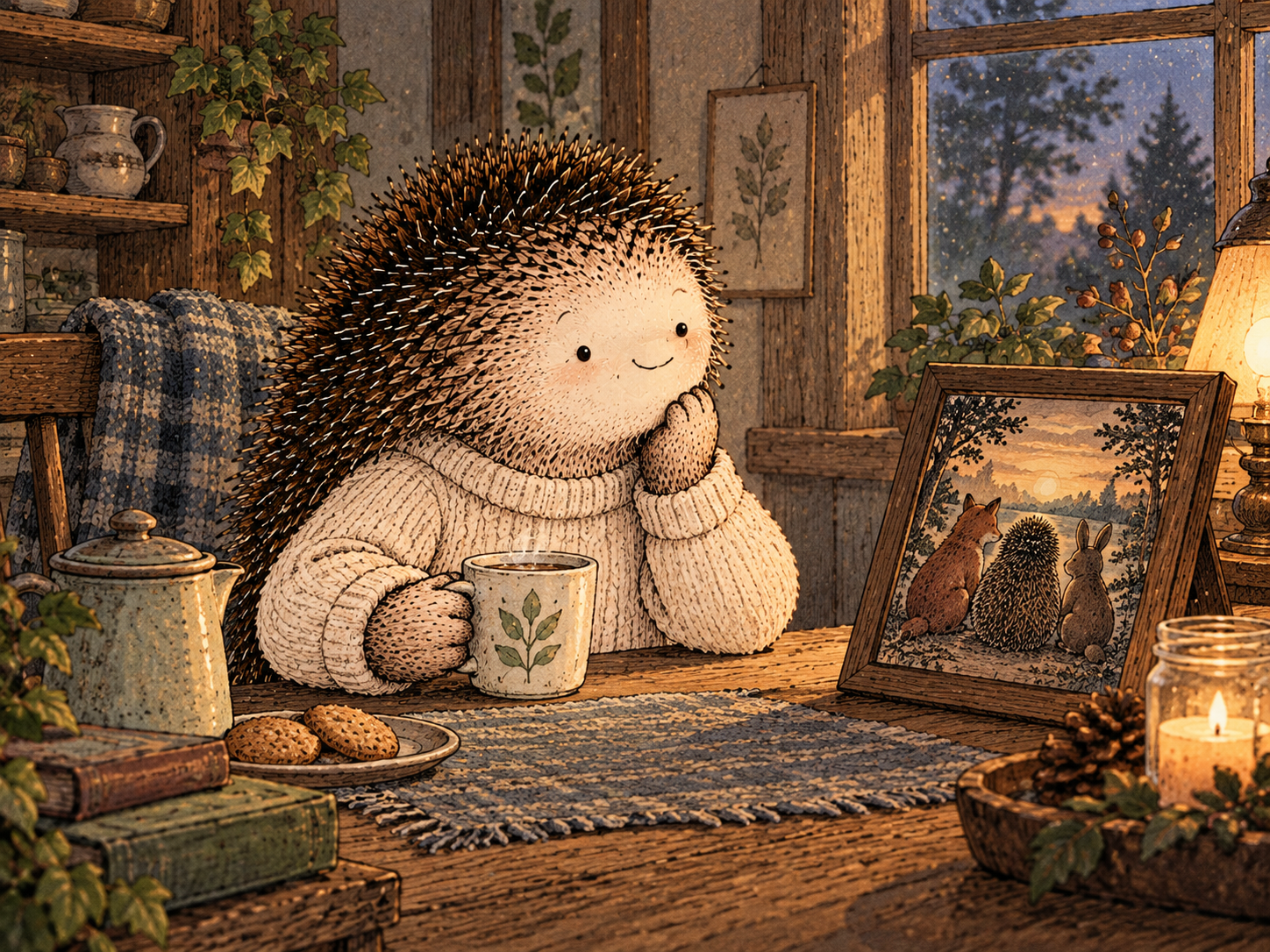

“Sometimes the group is not asking for the drink. It is asking for the version of you that used to come with it.”
Cheers Without Beers

Your Version of Today's Experiment
Loading your personalized notes…

What to Take Away
Add a Title

Today's Experiment
Rewrite One Social Job Description
Choose one group where you had a clear role and decide which part is worth keeping and which part you are done performing.


Name the Old Role
What were you expected to bring to the group?


Keep the Useful Part
What quality inside the role do you still value?

WHAT ARE YOU TESTING?
Can you remain recognizable and valuable to the group without continuing the exact role that once organized your behavior?


Retire the Cost
What part of performing that role no longer fits?

15 Minutes

What to Watch For
Loading your personalized notes…
WANT TO GO DEEPER?
Group Homeostasis
Groups often pull toward familiar patterns without anyone consciously deciding to.
When one person changes, everybody else has to adjust a little.
Who starts the round now?
Do we still stay as late?
What do we do if they leave?
That adjustment creates friction.
Understanding it can make the pressure less mysterious.
But the group's discomfort is not proof that your old role was better for you.
Update the Social Role
Identify the job they still hand you.
Name the role you used to perform, keep the parts you value and retire the costs you no longer want to pay.


A Gentle Warning
Loading your personalized notes…
BEFORE YOU GO

What role do your oldest friends or family members still expect you to play?
The wild one, easygoing one, fixer, peacemaker, entertainer, drinker, organizer, dependable one or something else.

TODAY'S TAKEAWAY
You Can Keep Belonging Without Keeping the Job
Let the role evolve until it fits the person you are actually becoming.

Stop Performing the Old Version
Tomorrow we look at the moments when nobody is actually forcing the old role anymore—but you perform it automatically because it is familiar.

bottom of page