top of page
.png)

Day 191 of 365
Know When You Need More Support
Independence is not needing the same amount of support forever. It is knowing when the current level is enough—and when to turn it back up.

15
minutes
Deep Dive Optional
DAY 191

Support Should Be Adjustable
Needing more support now doesn't invalidate the independence you've built. Match the help to the difficulty you're facing this week.
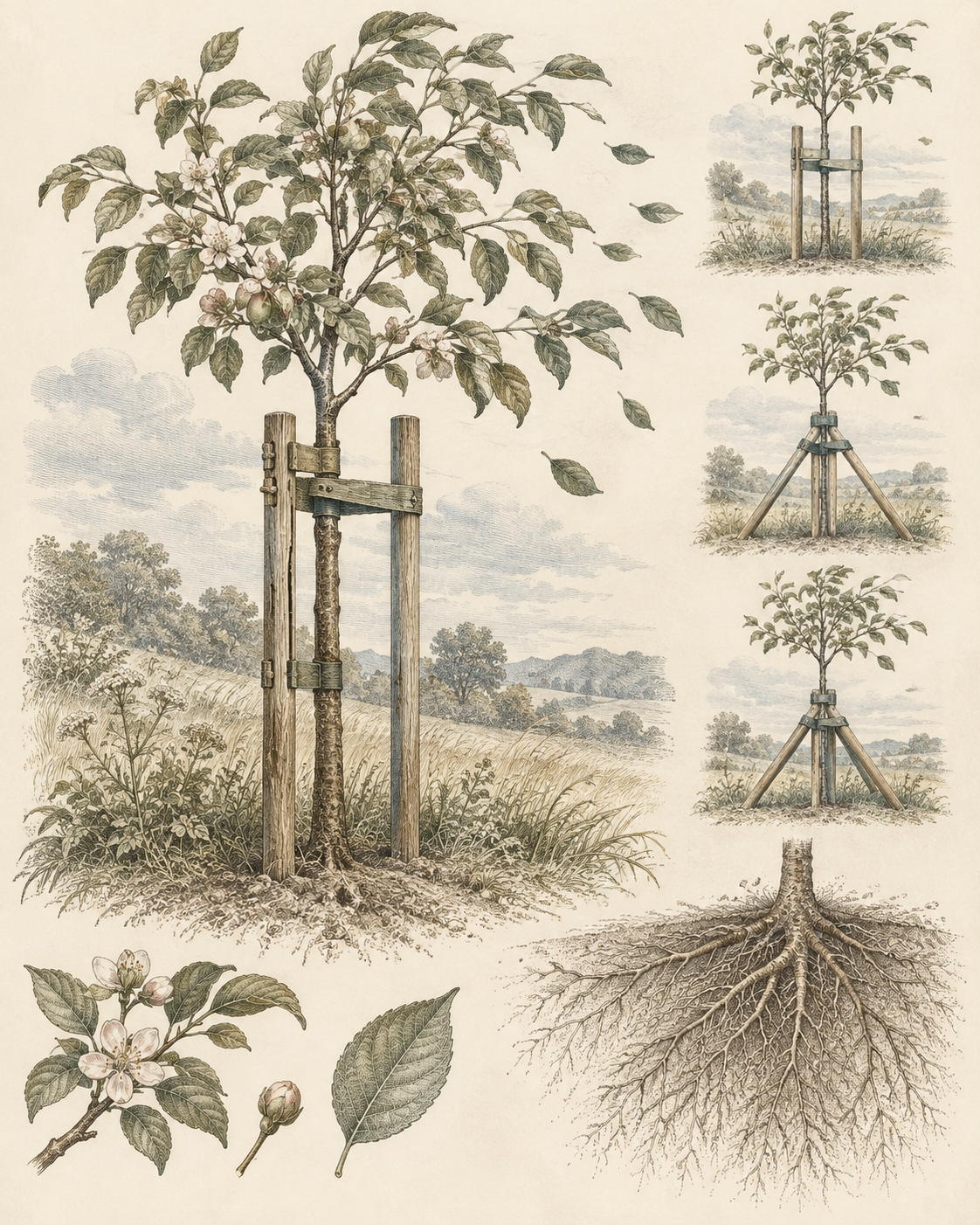
WAITING UNTIL THINGS ARE BAD ENOUGH CAN MAKE SUPPORT FEEL LIKE DEFEAT
Use More Support Before You Need Rescue
You notice:
more drinking thoughts,
more isolation,
more bargaining,
more disrupted sleep,
more missed routines,
or a situation you historically handle poorly.
You could say:
I should be able to manage this by now.
Or:
The conditions changed. Turn the support up.
The second response uses the system exactly as intended.

Why We Chose This For You
Loading your personalized notes…
TURNING SUPPORT BACK UP CAN FEEL LIKE GOING BACKWARD
It is not.
A winter coat is not a failure because you did not need it in July.
Support should respond to conditions.
The goal is not proving you can operate at the lowest setting forever.
It is using the setting that fits.
RISK AND CAPACITY CHANGE WITH CONTEXT
Behavior is influenced by changing conditions:
stress,
sleep,
loss,
social environment,
health,
season,
access,
and emotional load.
A support plan that remains fixed while those variables change may become mismatched.
Adaptive support is more realistic than permanent intensity.
WHY THIS MATTERS
Changing stressors and environments can alter risk and available coping capacity. Flexible support intensity allows the system to adapt before problems become more severe.

A Note For You
Loading your personalized notes…

Recent Slip Insight
Add a Title
ONE BENEFIT TO WATCH FOR
Adjustable Support Lets You Respond to a Harder Season Before the Harder Season Becomes a Crisis
More support can mean:
checking in daily again,
reopening tracking,
avoiding one setting temporarily,
asking a partner for help,
using the coach more,
or talking with a qualified professional when the situation deserves it.
The key is increasing support intentionally instead of waiting until you are desperate.
WHY THIS MATTERS
Changing stressors and environments can alter risk and available coping capacity. Flexible support intensity allows the system to adapt before problems become more severe.

WHAT PEOPLE DON'T TELL YOU
CWOB does not need to be the answer to everything.
If distress becomes intense,
persistent,
unsafe,
or significantly disruptive to daily life,
a qualified medical or mental-health professional may be the appropriate next layer.
A good behavior-change system should know when the person's needs exceed the system's job.
THE BENEFIT OF DAY 191


“The goal is not to need less support at all costs. It is to use the right amount before things become harder than they need to be.”
Cheers Without Beers

Your Version of Today's Experiment
Loading your personalized notes…

What to Take Away
Add a Title

Today's Experiment
Define Your Support Gears
Decide what light, increased and high support look like for you—and what signals should move you between them.


Define Light Support
What is enough when life is stable?


Define the Upgrade Signals
What changes should tell you to increase structure, contact or monitoring?

WHAT ARE YOU TESTING?
Can you make support intensity responsive to changing conditions instead of treating more support as evidence that you failed?


Define High Support
What people, services, guardrails or professional resources belong in the plan if a period becomes genuinely difficult?

15 Minutes

What to Watch For
Loading your personalized notes…
WANT TO GO DEEPER?
Adaptive Support Is Personalization Too
A smart system should not only personalize the tool. It should personalize how much help is being offered.
Someone in a stable month may need:
almost nothing.
The same person after:
a breakup,
a job loss,
a major trip,
or a return of frequent cravings
may benefit from much more structure.
That is not inconsistency.
It is context-aware personalization.
The system should learn both:
what works,
and:
when the person needs more of it.
Know When to Turn It Back Up
Support should have gears.
Define light, increased and high support so changing conditions can trigger an intentional response before a difficult period becomes a crisis.


A Gentle Warning
Loading your personalized notes…
BEFORE YOU GO

What change in your behavior would tell you that your current level of support is no longer enough?
More cravings, bargaining, isolation, sleep disruption, missed routines, secrecy, repeated slips, emotional distress or something else.

TODAY'S TAKEAWAY
Use the Gear That Fits the Conditions
Stable periods can be light. Hard periods can be supported more heavily. Neither one defines your strength.

When the Season Changes
Tomorrow we begin looking at another long-term reality: the year itself changes around you, and different seasons can wake up different routines, memories and risks.


bottom of page