top of page
.png)

Day 149 of 365
Your Strongest Emotional Trigger
You have spent nearly a month looking at emotions separately. Now step back and ask which one actually changes your behavior the most.

15
minutes
Deep Dive Optional
DAY 149

Find the Trigger That Deserves the Most Protection
Give the strongest trigger a proportionate plan. It deserves preparation and support, not another chance to prove you can manage without either.
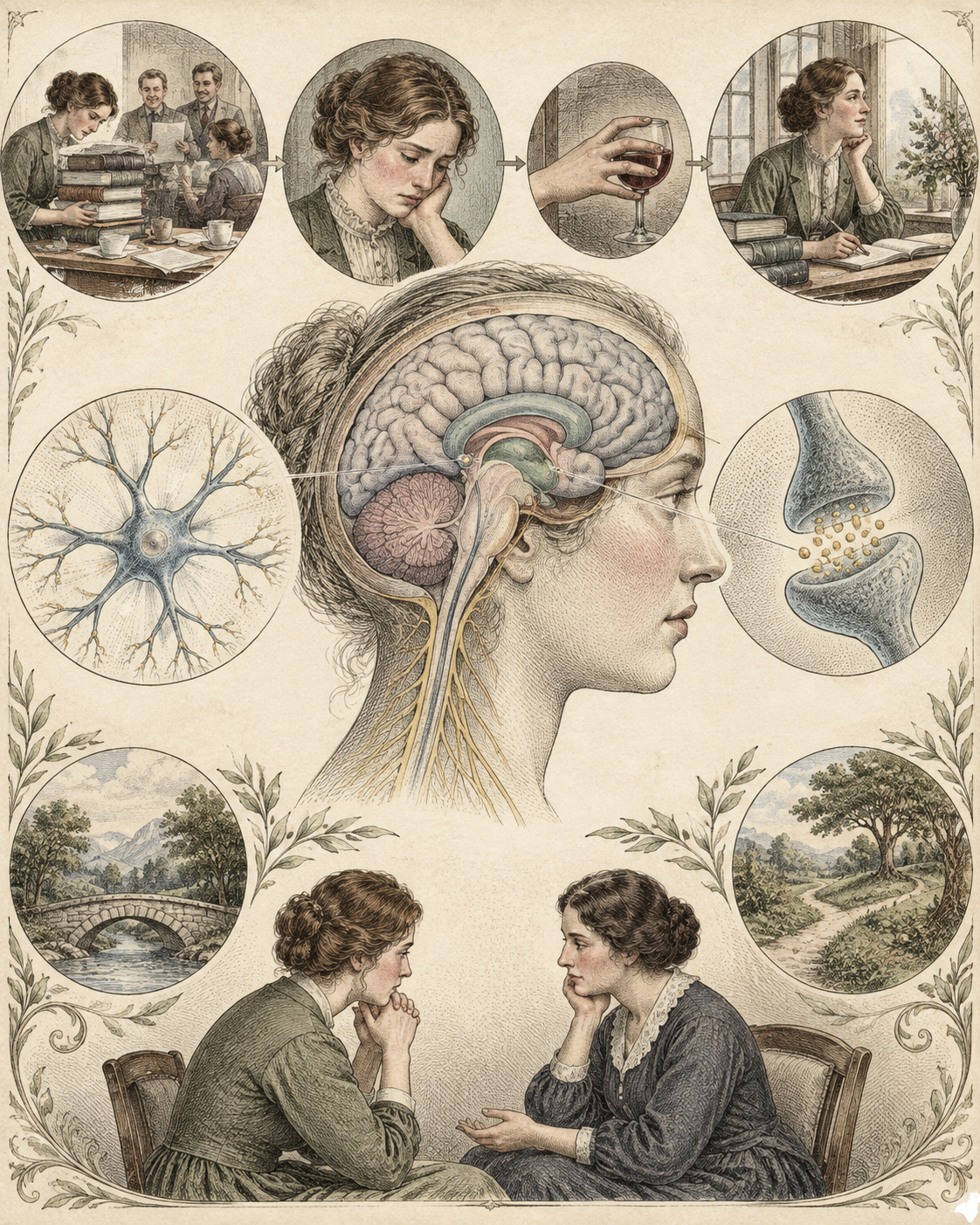
THE EVENT CHANGES. THE EMOTIONAL PATTERN MAY STAY THE SAME.
Different Days Can Activate the Same Need
Bad meeting.
Argument.
Plans cancelled.
Long day.
Different events.
But underneath them, maybe the same feeling appears:
I feel trapped.
Or:
I feel underappreciated.
Or:
I feel like I failed.
That repeated emotional state may explain more about behavior than the surface event does.

Why We Chose This For You
Loading your personalized notes…
YOUR STRONGEST TRIGGER MAY NOT BE THE ONE YOU WOULD HAVE NAMED AT THE START
Maybe you thought stress was the main problem.
But four months of lived data says:
your hardest moments cluster around reward.
Or rejection.
Or feeling controlled.
Or loneliness.
That is exactly why observation matters.
The original story was a hypothesis.
Your behavior provides new evidence.
TRIGGERS BECOME MORE USEFUL WHEN THEY ARE SPECIFIC ENOUGH TO PREDICT BEHAVIOR
“Stress” is broad.
“Feeling underappreciated after carrying too much for other people” is more useful.
“Social pressure” is broad.
“Feeling left out and then wanting to prove I am still fun” is more useful.
Specific triggers create better intervention points.
WHY THIS MATTERS
Identifying recurring emotion-to-behavior patterns makes prevention more targeted and reduces reliance on broad categories such as stress or bad days.

A Note For You
Loading your personalized notes…

Recent Slip Insight
Add a Title
ONE BENEFIT TO WATCH FOR

Knowing Your Strongest Trigger Lets You Put Protection Where It Actually Matters
You do not have to guard every emotional state equally.
If loneliness is low risk but feeling trapped is high risk, protect trapped moments.
If anger passes but shame creates isolation and drinking thoughts, prioritize shame recovery.
That makes the Reset smarter even before the software does.
WHY THIS MATTERS
Identifying recurring emotion-to-behavior patterns makes prevention more targeted and reduces reliance on broad categories such as stress or bad days.

WHAT PEOPLE DON'T TELL YOU
This is a current pattern, not a permanent identity.
The trigger you need to protect today may become easier later.
Another may become more relevant.
The system should update as your life changes.
That is the point of continued observation.
THE BENEFIT OF DAY 149


“The strongest trigger is not the feeling you dislike most. It is the one that changes your behavior most reliably.”
Cheers Without Beers

Your Version of Today's Experiment
Loading your personalized notes…

What to Take Away
Add a Title

Today's Experiment
Find the Repeating Trigger
Review three difficult moments from the last month and look for the emotional state that appears most consistently before unwanted behavior.


Choose Three Moments
Pick moments where you felt close to old patterns, reacted strongly or had a harder time than expected.


Run the Trigger Chain
Event → emotion → urge → behavior → after.

WHAT ARE YOU TESTING?
Can you identify a more specific emotional trigger than the broad labels you would have used at the beginning of the Reset?


Name the Strongest Pattern
Which emotion most reliably changed your behavior? Write one protection strategy for it.

15 Minutes

What to Watch For
Loading your personalized notes…
WANT TO GO DEEPER?
This Is Where Personalized CWOB Should Eventually Become Very Different
The system should compare what you believed at the start with what your behavior actually showed.
At intake, you might say:
stress is my biggest trigger.
But months of data could reveal:
drinking thoughts rarely appeared during high-stress workdays.
They appeared most after success, boredom and reward-seeking.
A useful system should update the model.
Not keep repeating the original answer forever.
The future version of CWOB should be able to say:
You originally thought X.
Your actual pattern looked more like Y.
Here is what worked best when Y appeared.
Identify Your Strongest Emotional Trigger
Find what changes your behavior.
Review three difficult moments and find the emotion that most consistently led toward unwanted behavior or old drinking thoughts.


A Gentle Warning
Loading your personalized notes…
BEFORE YOU GO

Which emotional state most reliably changes your behavior in a way you later wish it had not?
Anger, anxiety, loneliness, shame, overwhelm, feeling trapped, underappreciated, left out or something else.

TODAY'S TAKEAWAY
Protect the Pattern That Actually Matters
You do not need equal defenses everywhere. Put your best tools around the emotional state that most reliably changes your behavior.

Five Months — Your Emotional Pattern Report
Tomorrow we close the Emotional Resilience section by pulling these patterns together into a five-month emotional report.


bottom of page