top of page
.png)

Day 131 of 365
Embarrassment
Embarrassment can make one awkward moment feel like it is being projected onto a giant screen for everyone else. Usually, the audience is smaller than it feels.

15
minutes
Deep Dive Optional
DAY 131

You Are Probably Thinking About It More Than They Are
An embarrassing moment often feels larger from the inside. Give it time before deciding it requires a long explanation or a harsh verdict.
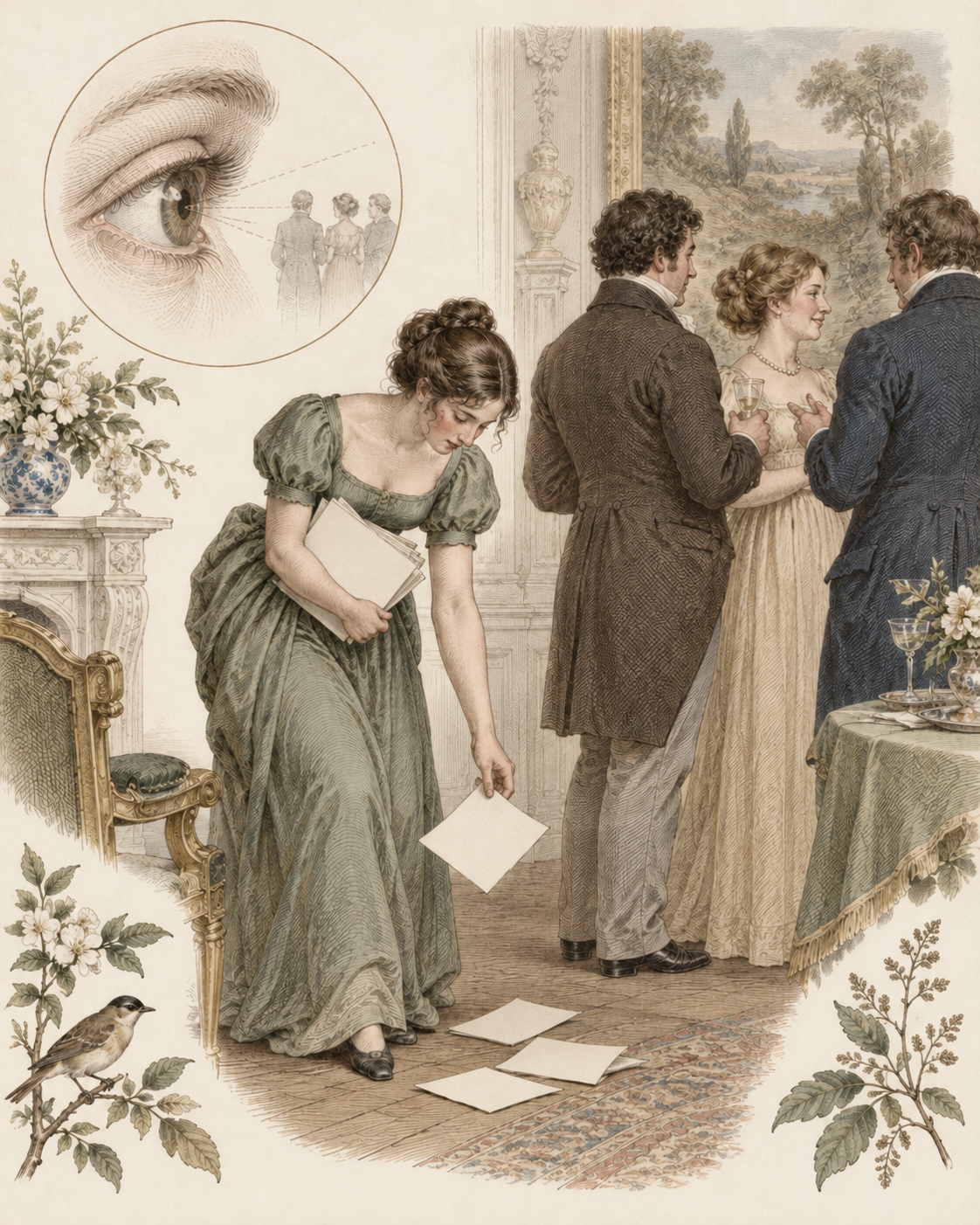
THE MOMENT OFTEN LASTS LONGER IN YOUR HEAD THAN IT DOES IN THE ROOM
The Replay Can Become Worse Than the Event
The awkward thing happens.
People react.
Then the conversation moves on.
You do not.
Hours later, you are still reviewing:
your face,
their face,
what you said,
what you should have said.
This is one of embarrassment's tricks.
It keeps the spotlight on after the actual spotlight has moved.

Why We Chose This For You
Loading your personalized notes…
EMBARRASSMENT CAN CREATE AN URGE TO OVER-EXPLAIN
You want to fix how you looked.
So you talk more.
Explain more.
Send the follow-up text.
Make the joke again.
Sometimes repair is useful.
Sometimes every extra sentence keeps the moment alive.
A short:
that came out wrong,
sorry about that,
may work better than a fifteen-minute defense.
SELF-CONSCIOUS EMOTIONS DEPEND HEAVILY ON HOW WE IMAGINE OTHERS SEE US
Embarrassment is tied to social evaluation.
The brain is tracking:
How did I appear?
Did I violate a norm?
Did I lose status?
Did I look incompetent?
That social sensitivity is useful in groups.
But it can overestimate how much attention other people are giving the mistake.
Most people are also busy thinking about themselves.
WHY THIS MATTERS
Embarrassment often involves heightened self-focus and assumptions about how much others noticed or judged. Reality-checking the audience and deciding whether repair is actually needed can shorten the replay.

A Note For You
Loading your personalized notes…

Recent Slip Insight
Add a Title
ONE BENEFIT TO WATCH FOR

A Quick Reality Check Can Keep Embarrassment From Becoming Hours of Self-Punishment
Maybe you looked awkward.
Maybe someone noticed.
Maybe you need to apologize.
Fine.
Handle the part that needs handling.
Then stop requiring yourself to relive the moment until you have suffered enough.
WHY THIS MATTERS
Embarrassment often involves heightened self-focus and assumptions about how much others noticed or judged. Reality-checking the audience and deciding whether repair is actually needed can shorten the replay.

WHAT PEOPLE DON'T TELL YOU
Competent people still say weird things.
Confident people trip.
Smart people blank.
Good parents lose patience.
Good employees make mistakes.
Socially skilled people misread rooms.
Embarrassment often comes from the fantasy that you were supposed to appear flawless.
You were not.
THE BENEFIT OF DAY 131


“You do not need to keep punishing yourself just because other people saw you be human.”
Cheers Without Beers

Your Version of Today's Experiment
Loading your personalized notes…

What to Take Away
Add a Title

Today's Experiment
Shrink the Spotlight
Take one embarrassing moment and separate what happened from what you imagine everyone concluded about you.


State the Event
One sentence. No dramatic adjectives.


Name the Real Audience
Who actually saw or heard it? How much evidence do you have that they still care?

WHAT ARE YOU TESTING?
Can you reduce the imagined spotlight enough to respond proportionally to what actually happened?


Repair or Release
If repair is needed, do it briefly. If not, practice letting the moment be finished.

5 Minutes

What to Watch For
Loading your personalized notes…
WANT TO GO DEEPER?
The Spotlight Effect
We often overestimate how much other people notice our appearance and mistakes.
People naturally experience life from the center of their own attention.
That can make your awkward moment feel extremely visible.
But everyone else is also living from the center of theirs.
They may notice.
They may laugh.
They may remember for a while.
But the event often occupies far less space in their day than it does in yours.
Remembering that can help embarrassment return to its actual size.
Repair What Needs Repair. Release the Rest.
Shrink the spotlight.
State what happened, identify the real audience, decide whether repair is needed and stop extending the punishment.


A Gentle Warning
Loading your personalized notes…
BEFORE YOU GO

When you feel embarrassed, what are you usually most afraid other people concluded about you?
Incompetent, awkward, weak, foolish, unattractive, unprepared, out of place or something else.

TODAY'S TAKEAWAY
You Do Not Have to Earn Your Way Back From Being Human
If you made a mistake, repair it. If you were simply awkward, let yourself be awkward and move on.

Shame
Tomorrow we separate embarrassment from something heavier: the difference between 'that was awkward' and 'there is something wrong with me.'


bottom of page