top of page
.png)
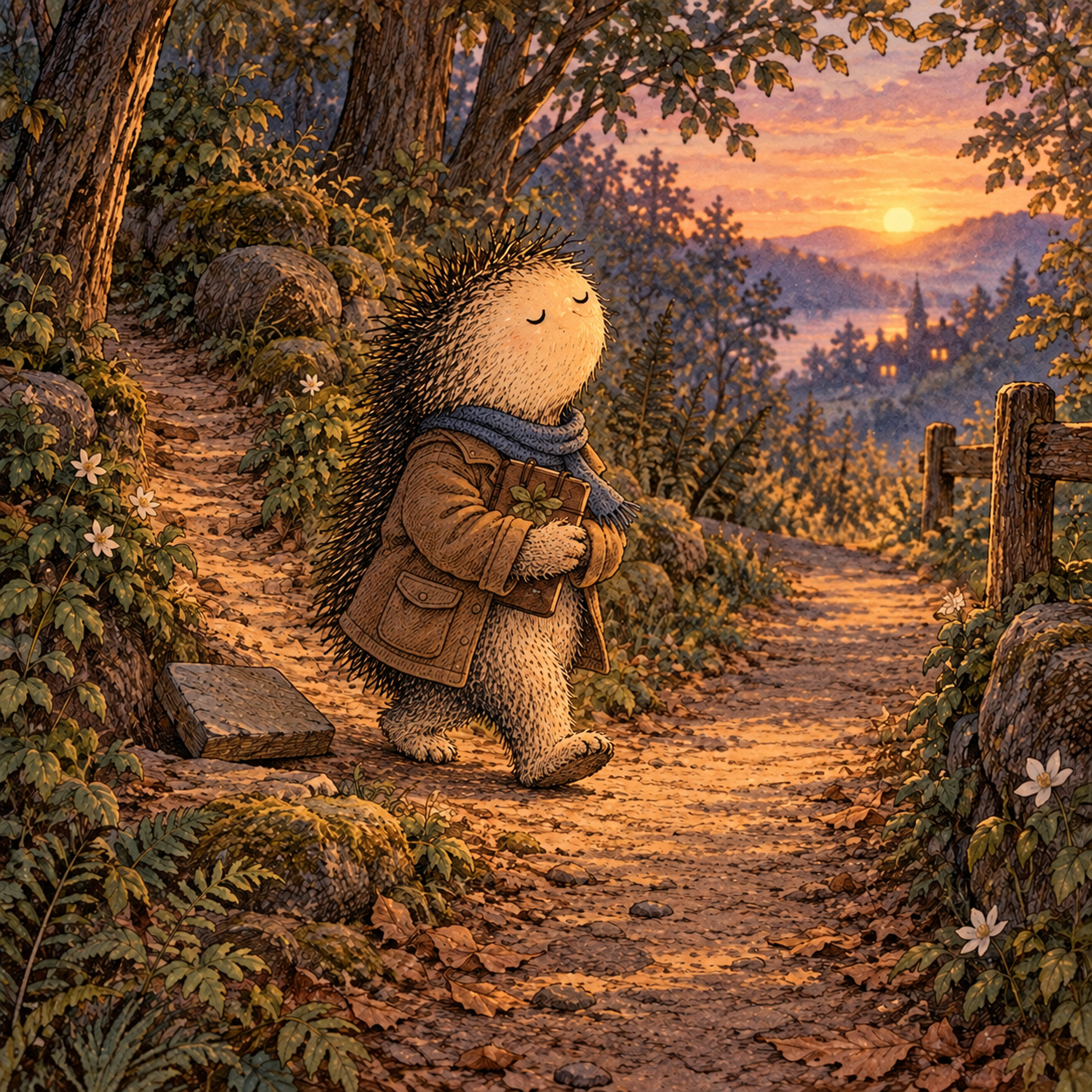
Day 13 of 365
One Drink Does Not Have to Become a Story
A slip can become much larger because of what happens after it. The drink is one event. Then the story arrives: I blew it. I ruined the Reset. Screw it. I’ll start again Monday. That story can turn one choice into several more.

10
minutes
Deep Dive Optional
RESET SUPPORT

Something Went Sideways?
You haven't lost the chance to respond kindly and practically. Settle the immediate situation, then write down the part you want to understand.
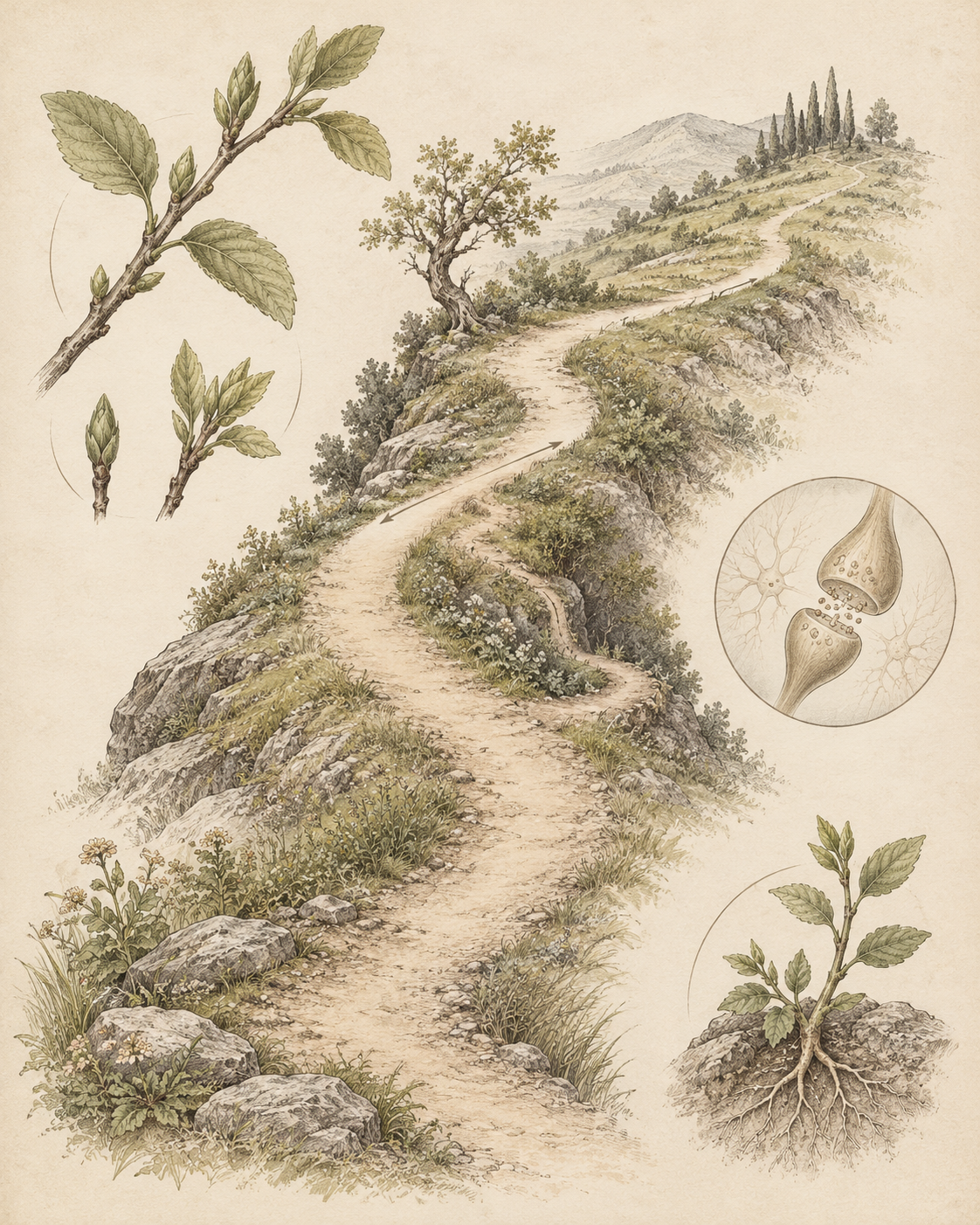
RECOVERY IS A SKILL
The Next Decision Still Counts
One drink can turn into a whole weekend without the alcohol itself doing all the work. The first drink happens, then the verdict arrives: I blew it. The streak is gone. I may as well keep going and start over Monday.
That second story can be more damaging than the first event because it converts disappointment into permission. A choice becomes an identity. An hour becomes a weekend.
Today we are building a different reflex: make the event smaller. Something happened. We can study it. The very next decision still belongs to you.

Why We Chose This For You
Loading your personalized notes…
THE SECOND DECISION CAN DO MORE DAMAGE THAN THE FIRST
The drink may be followed by shame or defiance: “I ruined it, so why stop?” That reaction feels automatic, but the outcome is still changeable.
UNDER THE HOOD
Shame and stress can narrow attention and push people toward familiar relief behaviors. That makes self-attack a poor recovery tool. It raises the very state that may have contributed to the choice.
Curiosity works differently. By reconstructing the sequence, you move the event into a learning frame. The brain gets a chance to update the plan: eat before the event, bring a different drink, leave earlier, call someone, avoid that particular cue for a while.
Learning requires details. Punishment usually erases them.
Why a Fast Return Protects More Than Pride
The sooner you return to the plan, the less territory one decision gets to claim. You preserve the rest of the evening, the next morning, the next workout, the next meal and the observations you have already collected.
Nothing about the previous twelve days disappears. Your body still experienced them. You still practiced new routines. You still learned your cues.
Recovery speed is a skill because it limits the size of the setback without pretending the setback did not happen.

A Note For You
Loading your personalized notes…

Recent Slip Insight
Add a Title
ONE BENEFIT TO WATCH FOR
Recovery
A Fast Return Is a Real Skill
Faster recovery protects the rest of the day. Returning after one choice preserves far more than waiting for a symbolic restart.
Why a Fast Return Protects More Than Pride
The sooner you return to the plan, the less territory one decision gets to claim. You preserve the rest of the evening, the next morning, the next workout, the next meal and the observations you have already collected.
Nothing about the previous twelve days disappears. Your body still experienced them. You still practiced new routines. You still learned your cues.
Recovery speed is a skill because it limits the size of the setback without pretending the setback did not happen.

WHAT PEOPLE DON'T TELL YOU
A slip does not erase the days before it.
Your sleep, observations, practice and routines still happened. The useful question is what the next hour needs.
ONE BENEFIT TO WATCH FOR


“The next choice is still available, even when the last one disappointed you.”
YOUR RESET

Your Version of Today's Experiment
Loading your personalized notes…

What to Take Away
Add a Title

Today's Experiment
Build Your If-I-Drink Plan
Write an if-I-drink plan: what you will do that night, record, who you may contact and how you continue tomorrow.


Stop the Spiral
If you drink, pause before turning it into permission for the rest of the night or weekend.


Record the Moment
Capture the cue, situation, expectation and what actually happened while the details are fresh.

Make Recovery the Automatic Next Move
Make recovery automatic enough that shame does not design the next twenty-four hours.
You built a return route before needing it. Keep it easy to find.


Continue
Return to the Reset at the next decision. Use the Recovery button so the system can learn from the event.

5–10 Minutes

What to Watch For
Loading your personalized notes…
WANT TO GO DEEPER?
The Difference Between a Slip and a Spiral
A slip becomes useful when you can describe the chain without turning it into a character judgment.
Try a simple chain analysis. Start before the drink: sleep, hunger, stress, location, people, thought, opportunity. Then look at the decision itself: what did you expect to get? Finally, look after: did it deliver, what followed, and what would have helped at the first vulnerable point?
You do not need twenty lessons from one event. Find one link you can realistically change next time. Maybe the plan failed because you arrived hungry. Maybe you stayed two hours longer than you intended. Maybe the problem was not the party at all; it was the argument before you left home.
The goal is a better next response, not a harsher explanation of yourself.
One Choice Does Not Need a Sequel
One event does not require a collapse.
What happens after a slip often matters more than preserving a perfect story about the Reset.


A Gentle Warning
Loading your personalized notes…
BEFORE YOU GO

What would help you return quickly instead of disappearing into shame?
Choose actions: water, food, sleep, a note, a message, removing alcohol or opening tomorrow’s lesson.

ONE THING TO TAKE WITH YOU
Shrink the Setback and Keep the Information
Recovery is not pretending it did not happen. It is refusing to let it choose everything that follows.

What Did You Learn About Yourself?
Tomorrow is not a victory lap. We’re going back to Day 1 and comparing what you hoped would change with what actually happened—what got easier, what stayed hard, which results caught you off guard, and what the evidence suggests you try next.

bottom of page